

What is Calcined Sand Material Handling? What are the Design Principles?
Calcined sand material handling systems are critical components in various industrial processes, particularly in manufacturing and construction sectors where the efficient transport of this specific material is essential for operational efficiency and product quality. This article explores the fundamentals of calcined sand material handling, focusing on the key design principles that ensure optimal performance and reliability.
Understanding Calcined Sand and Its Handling Requirements
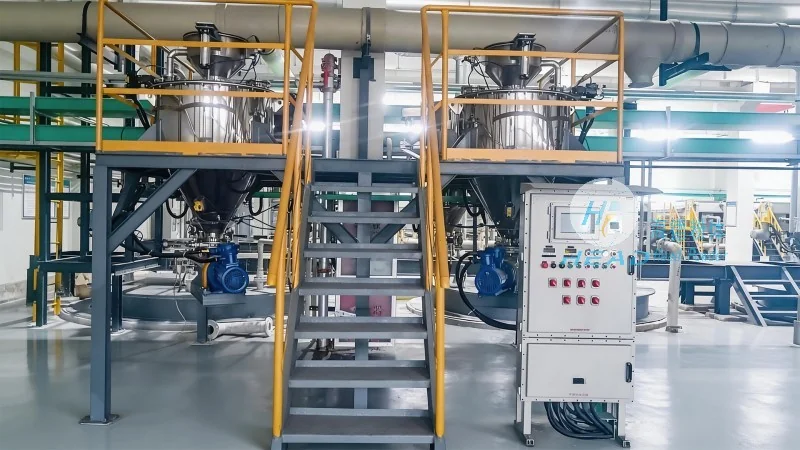
Calcined sand, also known as calcined silica sand, is a type of sand that has been heated to high temperatures to remove moisture and organic impurities. This process enhances its purity and increases its strength, making it a valuable raw material in industries such as glass manufacturing, refractory production, and foundry work. Due to its fine texture and high density, calcined sand presents unique challenges during material handling, including the need for specialized equipment to prevent dust generation, maintain material integrity, and ensure safe operation.
The Core Design Principles for Calcined Sand Material Handling Systems
Effective calcined sand material handling systems are built on several fundamental design principles that address the material's properties and the operational demands of the application. These principles include: 1. **Dust Control and Environmental Protection**: Since calcined sand is a fine powder, dust suppression is a critical design consideration. Systems often incorporate enclosed conveying methods, such as pneumatic or mechanical conveyors with dust collection systems, to minimize airborne particles and comply with environmental regulations. 2. **Material Integrity Preservation**: The high temperature treatment of calcined sand makes it more brittle and prone to breakage during handling. Designers must select materials and components that can withstand the abrasive nature of the sand without causing excessive wear or degradation. This includes using corrosion-resistant and wear-resistant materials for conveyor belts, hoppers, and piping. 3. **Energy Efficiency**: Efficient energy use is a key principle in modern material handling systems. Designers aim to minimize energy consumption through optimized conveyor speeds, reduced friction, and the use of energy-efficient motors. This not only lowers operational costs but also aligns with sustainability goals. 4. **Safety and Compliance**: Safety is paramount in industrial material handling. Systems must adhere to local and international safety standards, including proper guarding of moving parts, emergency stop mechanisms, and regular maintenance protocols. Compliance with regulations ensures the well-being of operators and the longevity of the equipment.
Key Components of a Calcined Sand Material Handling System
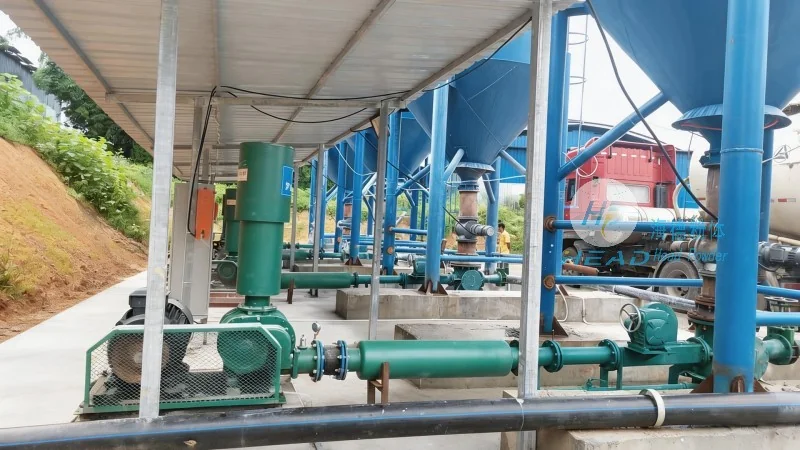
A typical calcined sand material handling system consists of several interconnected components that work together to transport the material from its source to its destination. These components include: 1. **Feeding Equipment**: Hoppers or feeders are used to control the flow of calcined sand from storage silos or bulk containers. These devices ensure a consistent and controlled feed rate, preventing overloading or underloading of the conveying system. 2. **Conveying Equipment**: The primary component for moving the material is the conveyor system. For calcined sand, pneumatic conveyors (air-powered) are commonly used due to their ability to handle fine powders without the need for mechanical parts that could cause clogging or wear. Mechanical conveyors, such as belt or screw conveyors, may also be employed in certain applications, especially when the material is less abrasive or in enclosed environments. 3. **Dust Collection and Filtration Systems**: To comply with environmental regulations and maintain a safe working environment, dust collection systems are integrated into the design. These systems capture and filter the fine particles generated during handling, preventing them from escaping into the air and ensuring that the material remains clean and free from contaminants. 4. **Control and Monitoring Systems**: Modern material handling systems are equipped with advanced control and monitoring systems that allow operators to track the flow of material, monitor system performance, and detect any issues in real-time. These systems may include sensors for level, flow, and temperature, as well as programmable logic controllers (PLCs) that automate the operation of the equipment.
Customization and Scalability in Calcined Sand Handling Solutions
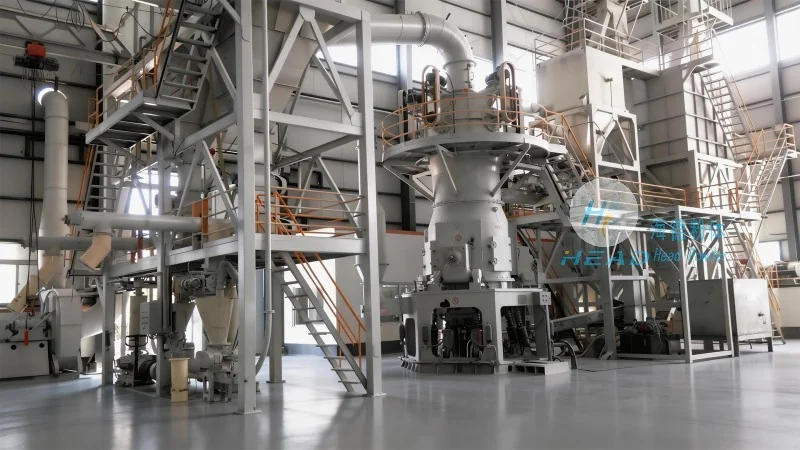
One of the significant advantages of calcined sand material handling systems is their ability to be customized to meet the specific needs of different applications. Whether the system is for a small-scale production line or a large industrial facility, designers can tailor the components and layout to optimize performance. For example, the length and capacity of the conveyor, the type of feeding equipment, and the size of the dust collection system can all be adjusted based on the volume of calcined sand being handled. Additionally, these systems can be scaled up or down as production needs change, providing flexibility for growing businesses. This adaptability makes calcined sand material handling solutions suitable for a wide range of industries and applications.
Conclusion: The Importance of Professional Design and Implementation
Effective calcined sand material handling systems are the result of careful planning, adherence to design principles, and the use of high-quality components. By prioritizing dust control, material integrity, energy efficiency, and safety, manufacturers can ensure that their systems operate reliably and efficiently. The expertise of companies like Shandong HeadPowder Engineering Co., Ltd. is crucial in designing and implementing these systems, as they bring years of experience and specialized knowledge to the table. With the right design and implementation, calcined sand material handling systems can significantly improve operational efficiency, reduce costs, and enhance product quality in various industrial applications.