

Ammonium Chloride Material Handling: What It Is and Its Design Principles
Ammonium chloride is a widely used chemical compound in various industrial applications, and efficient material handling is crucial for its safe and effective processing. This article explores the concept of ammonium chloride material handling and delves into the key design principles that ensure optimal performance in industrial settings.
Understanding Ammonium Chloride Material Handling
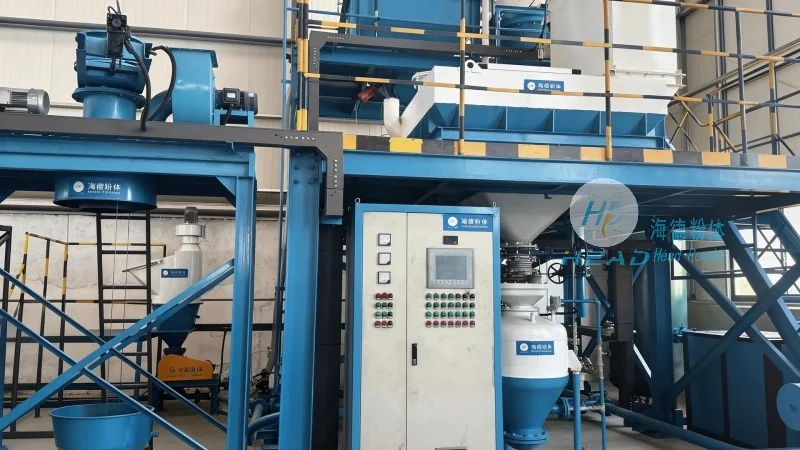
Ammonium chloride material handling refers to the processes and systems used to transport, store, and manage ammonium chloride in industrial environments. This chemical, commonly used in fertilizers, pharmaceuticals, and other manufacturing processes, requires specialized handling due to its properties, such as its tendency to absorb moisture and its potential to cause corrosion in certain equipment. Proper material handling is essential to prevent accidents, maintain product quality, and comply with safety regulations.
Key Design Principles for Ammonium Chloride Handling Systems
The design of ammonium chloride material handling systems must consider several critical factors to ensure efficiency, safety, and durability. These principles include selecting appropriate equipment, controlling environmental conditions, and implementing effective material flow strategies. Each component of the system plays a vital role in maintaining the integrity of the ammonium chloride and protecting personnel and equipment from potential hazards.
Equipment Selection and Material Handling Solutions
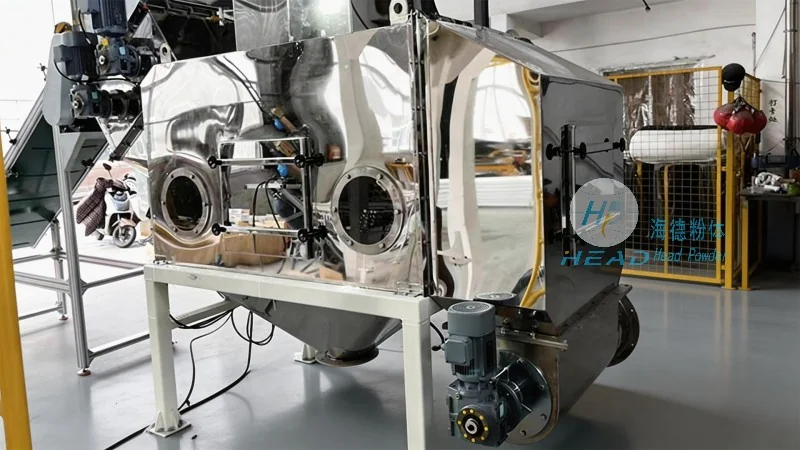
Choosing the right equipment is fundamental to successful ammonium chloride material handling. Common equipment includes conveyor systems, silos, hoppers, and pneumatic conveying devices. For example, belt conveyors are often used for bulk material transport, while pneumatic systems are suitable for handling fine powders. The selection depends on factors such as the material's bulk density, flowability, and the required throughput. Additionally, equipment must be constructed from materials resistant to corrosion, such as stainless steel or specialized coatings, to withstand the chemical's effects.
System Integration and Process Optimization
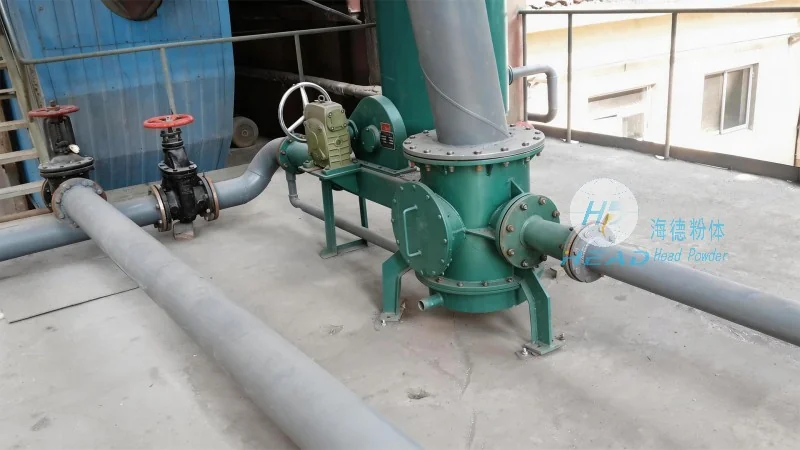
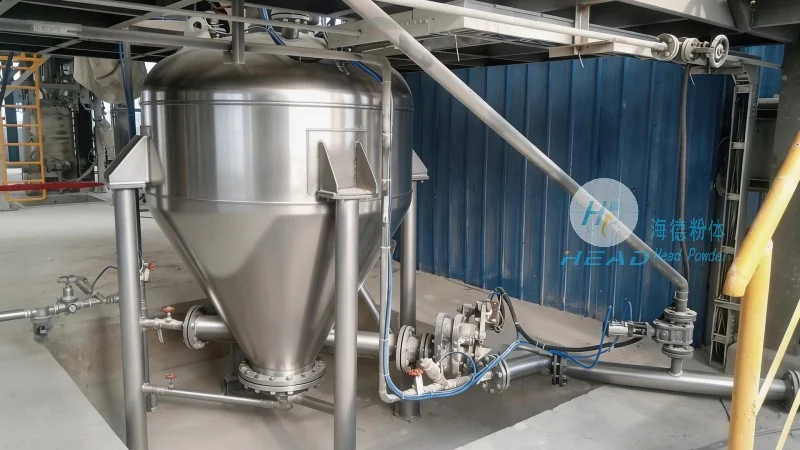
Effective ammonium chloride material handling involves integrating various components into a cohesive system that optimizes material flow and minimizes downtime. This includes designing proper storage facilities, such as silos or bulk storage tanks, to maintain the material's quality and prevent caking or clumping. The system should also incorporate controls for moisture levels, temperature, and pressure to ensure safe handling. Process optimization techniques, such as automation and real-time monitoring, can enhance efficiency and reduce the risk of errors or accidents.
Safety and Compliance Considerations
Ammonium chloride handling systems must adhere to strict safety and regulatory standards to protect workers and the environment. This includes implementing proper ventilation systems to control dust and fumes, using personal protective equipment (PPE) for personnel, and ensuring that all equipment is properly grounded to prevent electrostatic discharge. Compliance with local and international regulations, such as those from OSHA or the EPA, is essential to avoid penalties and ensure the long-term viability of the operation.
Case Study: HeadPowder's Ammonium Chloride Handling Solutions
Shandong HeadPowder Engineering Co., Ltd., a leading provider of material handling solutions, specializes in designing and implementing systems tailored to the unique needs of ammonium chloride processing. With years of experience in the industry, HeadPowder has developed innovative solutions that address the challenges of handling this chemical safely and efficiently. Their expertise includes custom-designed conveyor systems, storage solutions, and pneumatic conveying equipment, all built to meet the highest standards of safety and performance. By leveraging advanced engineering and materials science, HeadPowder ensures that their clients can handle ammonium chloride with confidence, minimizing risks and maximizing productivity.