

What is a Calcium Hydroxide Powder Material Handling Conveyor? And What Are Its Design Principles?
Shandong HeadPowder Engineering Co., Ltd. is a professional manufacturer specializing in the design, production, and supply of material handling equipment, with a focus on calcium hydroxide powder conveying systems. The company is located in Shandong, China.
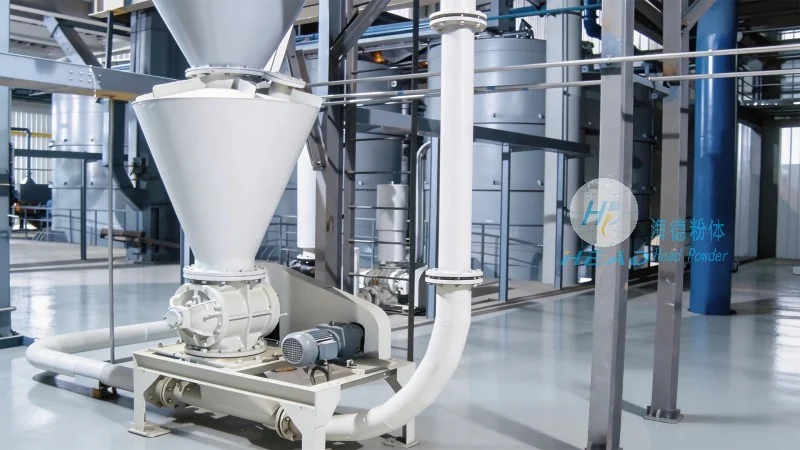
Understanding Calcium Hydroxide Powder Material Handling Conveyors
A calcium hydroxide powder material handling conveyor is a specialized system engineered to efficiently transport calcium hydroxide powder, a common industrial chemical used in various applications such as construction, water treatment, and chemical manufacturing. The design of such a conveyor addresses the unique challenges associated with handling fine powders, including dust control, material flow optimization, and equipment durability.
Key Design Principles for Calcium Hydroxide Powder Conveyors
The design principles of a calcium hydroxide powder conveyor system revolve around several key factors. First, material flow control is critical to prevent clogging and ensure consistent throughput. This is achieved through the use of appropriate conveyor components like screw conveyors, pneumatic conveying systems, or belt conveyors, each chosen based on the specific characteristics of calcium hydroxide powder—such as its particle size, moisture content, and flowability. Second, dust suppression is a major consideration due to the fine nature of the powder. Enclosed systems with proper ventilation and filtration are commonly employed to minimize dust emissions and maintain a safe working environment. Third, equipment durability is essential, as calcium hydroxide can be abrasive and corrosive to certain materials. Therefore, components like conveyor belts, hoppers, and pipelines are often made from high-quality, wear-resistant materials, such as stainless steel or specialized polymers, to ensure long-term performance and reduce maintenance costs.
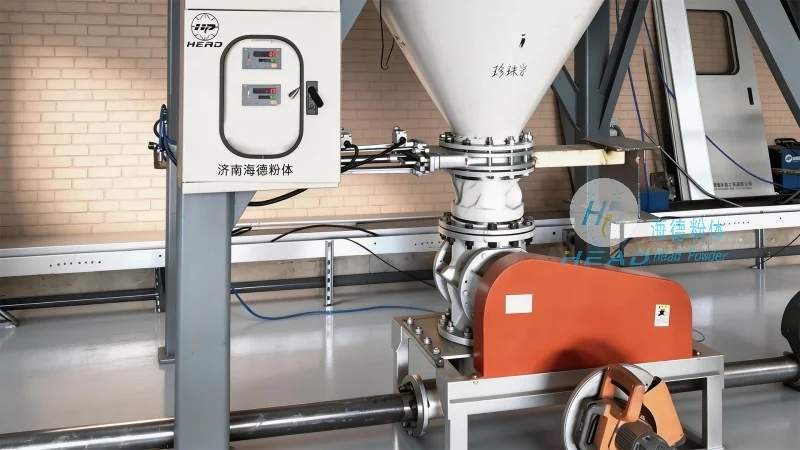
Components of a Typical Calcium Hydroxide Powder Conveyor System
Typical components of a calcium hydroxide powder conveyor include a hopper for material storage, a conveyor mechanism (e.g., screw or pneumatic), a control system for operation, and a dust collection system. The hopper is designed to hold a sufficient quantity of powder to maintain continuous flow, while the conveyor mechanism transports the powder from the hopper to the destination, such as a storage silo or processing unit. The control system allows operators to adjust the speed and flow rate of the conveyor, ensuring precise material handling. The dust collection system, often integrated with the conveyor, captures any airborne particles, protecting both the environment and the workers.
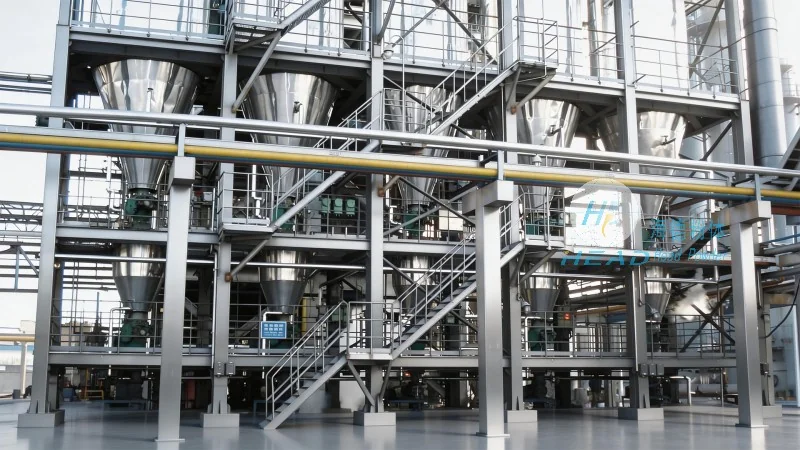
Applications and Benefits of Calcium Hydroxide Powder Conveyors
These conveyor systems are widely used in industrial settings where calcium hydroxide is processed or transported. For example, in construction material production, the conveyor may transport calcium hydroxide to mixing plants for concrete or mortar production. In water treatment facilities, it may be used to convey the powder to reactors for pH adjustment. The versatility of the system makes it suitable for various industries, from chemical manufacturing to agricultural applications. The advantages of a well-designed calcium hydroxide powder conveyor include improved efficiency in material handling, reduced labor costs due to automated operation, and enhanced safety through dust control measures. Additionally, the use of durable materials and advanced control systems minimizes downtime and maintenance expenses, contributing to overall operational cost savings.
Conclusion
In summary, a calcium hydroxide powder material handling conveyor is a sophisticated system that combines engineering principles with practical solutions to address the unique challenges of handling fine powders. By understanding the design principles and components, industries can select or design an appropriate conveyor system that meets their specific needs, ensuring efficient and safe material transport.