

What is an Arsenic Trioxide Material Handling Conveyor? And What Are Its Design Principles?
Arising from the need to handle hazardous materials like arsenic trioxide, specialized material handling conveyors have been developed to ensure safe, efficient, and compliant operations. This article explores the fundamental aspects of such systems, focusing on their design principles and the critical considerations that underpin their construction and functionality.
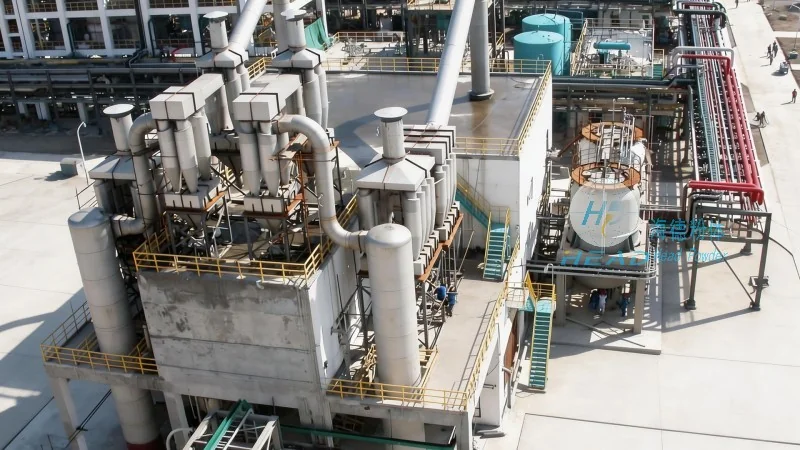
About Shandong HeadPowder Engineering Co., Ltd.
As a leading provider in the field, Shandong HeadPowder Engineering Co., Ltd. specializes in the design, manufacturing, and implementation of industrial equipment tailored for handling hazardous substances. With a strong commitment to safety, quality, and innovation, the company has established itself as a trusted partner for industries requiring reliable solutions for toxic material transport. HeadPowder, as the company is commonly known, operates from its base in Shandong, China, leveraging years of experience to deliver customized conveyor systems that meet stringent safety and regulatory standards.
Characteristics of Arsenic Trioxide and Handling Challenges
Arsenic trioxide (As₂O₃) is a highly toxic and corrosive compound, making its handling a critical concern in industrial applications. The material poses significant health risks if not managed properly, including respiratory and skin irritation, and potential long-term health effects. Consequently, material handling systems for arsenic trioxide must incorporate robust safety features to prevent exposure and contamination. Key challenges include controlling dust generation, ensuring complete containment, and maintaining operational integrity under harsh chemical conditions. These factors drive the design of specialized conveyors that prioritize safety, durability, and compliance with environmental and occupational health regulations.
Design Principles of Arsenic Trioxide Material Handling Conveyors
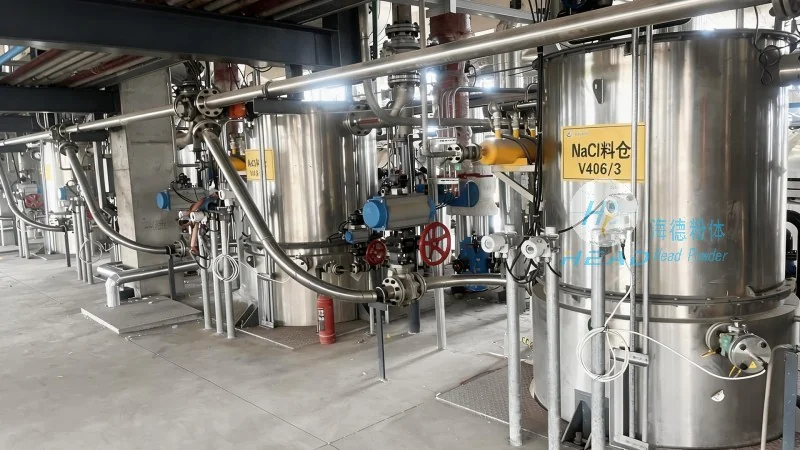
The design of an arsenic trioxide material handling conveyor is guided by several core principles aimed at mitigating risks and optimizing performance. First, the system must provide a fully enclosed and sealed environment to prevent the release of toxic dust or fumes into the workplace. This is typically achieved through the use of airtight housing, sealed joints, and positive pressure ventilation systems that maintain a controlled internal atmosphere. Second, material selection plays a crucial role; components such as conveyor belts, rollers, and frames are often made from corrosion-resistant materials like stainless steel or specialized polymers to withstand the chemical properties of arsenic trioxide. Third, the conveyor must incorporate effective dust suppression mechanisms, such as wetting systems or enclosed loading and unloading zones, to minimize airborne particulate release. Additionally, the design must include emergency shutdown capabilities and interlocks to prevent accidental exposure during operation. These principles collectively ensure that the conveyor operates safely while maintaining the efficiency required for industrial processes.
Key Components and Functional Elements
An arsenic trioxide material handling conveyor typically consists of several integrated components that work in harmony to achieve safe and efficient material transport. The primary elements include a feed hopper or loading chamber, which is designed to contain the material and prevent spillage. The conveyor belt, often made from a durable, chemical-resistant material, transports the material through the system. Rollers or pulleys support the belt and facilitate smooth movement, while drive mechanisms (such as electric motors) provide the necessary power. The system may also include a discharge chute or outlet that safely releases the material to the next processing stage. Control systems, including sensors and programmable logic controllers (PLCs), monitor the conveyor's operation, detect anomalies, and trigger safety protocols when necessary. These components are engineered to work together seamlessly, ensuring that the material is handled with minimal risk to personnel and the environment.
Safety Measures and Regulatory Compliance
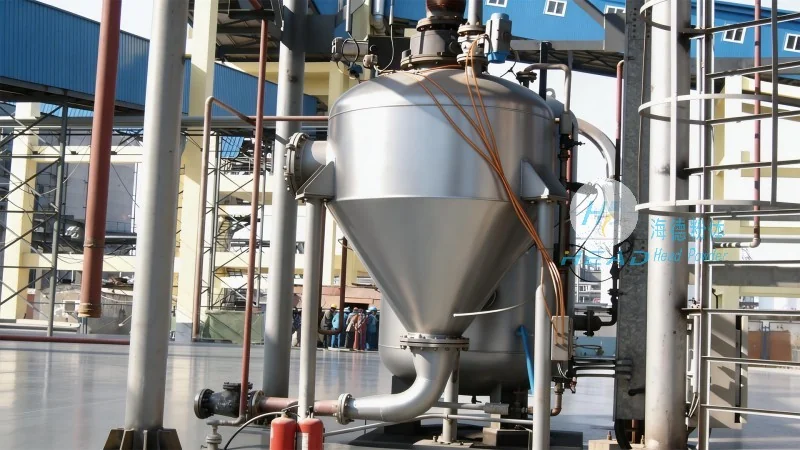
Given the hazardous nature of arsenic trioxide, adherence to safety standards is non-negotiable. The design of the conveyor incorporates multiple safety features, including interlocked access panels to prevent unauthorized entry while the system is in operation, emergency stop buttons for immediate shutdown, and alarms that alert operators to potential issues. The system is also equipped with monitoring devices to detect leaks or abnormal pressure changes, triggering automatic shutdowns to prevent further exposure. Compliance with international and national regulations, such as those from the Occupational Safety and Health Administration (OSHA) or the Environmental Protection Agency (EPA), is a key consideration. Shandong HeadPowder Engineering Co., Ltd. ensures that all conveyor systems meet or exceed these regulatory requirements, providing documentation and certifications to validate compliance. This commitment to safety and regulatory adherence is essential for industries handling toxic materials, as it minimizes liability and ensures the well-being of workers and the environment.
Conclusion
Arising from the need to handle hazardous materials like arsenic trioxide, specialized material handling conveyors represent a critical advancement in industrial safety and efficiency. The design principles and components of such systems are tailored to address the unique challenges posed by toxic substances, ensuring that material transport is performed with minimal risk. Companies like Shandong HeadPowder Engineering Co., Ltd. play a vital role in developing and implementing these systems, providing industries with reliable solutions that meet stringent safety and regulatory standards. By prioritizing safety, durability, and compliance, arsenic trioxide material handling conveyors enable businesses to operate effectively while protecting their workforce and the environment.