

What is a Sodium Sulfate Powder Material Handling Conveyor? And What Are Its Design Principles?
When it comes to transporting sodium sulfate powder, specialized equipment is essential to ensure efficiency, safety, and reliability in industrial processes. A sodium sulfate powder material handling conveyor is a critical piece of machinery designed to move this specific type of bulk material from one location to another within a production facility or processing plant. Understanding the components and design principles behind such a system is vital for optimizing operations and maintaining high standards in material handling.
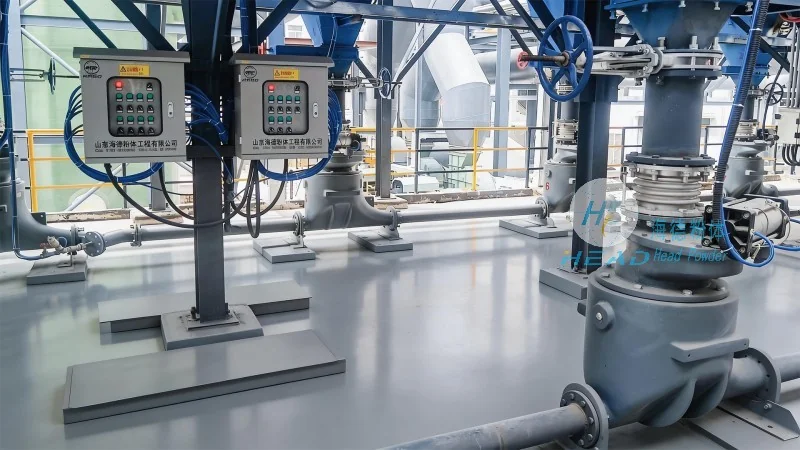
Overview of Sodium Sulfate Powder Material Handling Conveyors
Sodium sulfate, also known as Glauber's salt or mirabilite, is a white crystalline powder commonly used in various industries, including glass manufacturing, paper production, and chemical processing. Due to its fine particle size and hygroscopic nature, handling this material requires specialized equipment to prevent caking, bridging, or dust generation. The sodium sulfate powder material handling conveyor is engineered to address these challenges by providing a controlled, continuous flow of the material. These conveyors are typically designed with features that minimize material degradation and ensure consistent performance, making them a preferred choice for industries dealing with sodium sulfate.
Key Components of a Sodium Sulfate Powder Conveyor System
The design of a sodium sulfate powder material handling conveyor involves several key components that work together to facilitate smooth material transport. The primary components include a feeding mechanism, a conveyor belt or screw, a control system, and a discharge system. The feeding mechanism, often a hopper or a rotary valve, ensures a uniform flow of the powder into the conveyor. The conveyor itself, which can be a belt conveyor or a screw conveyor, is chosen based on the material's characteristics and the required transport distance. For sodium sulfate, a belt conveyor with a smooth surface or a screw conveyor with a non-stick coating is commonly used to prevent material buildup and ensure efficient movement. The control system monitors the conveyor's operation, including speed, pressure, and material level, to maintain optimal performance. Finally, the discharge system, such as a rotary valve or a gate, regulates the release of the material at the destination point.
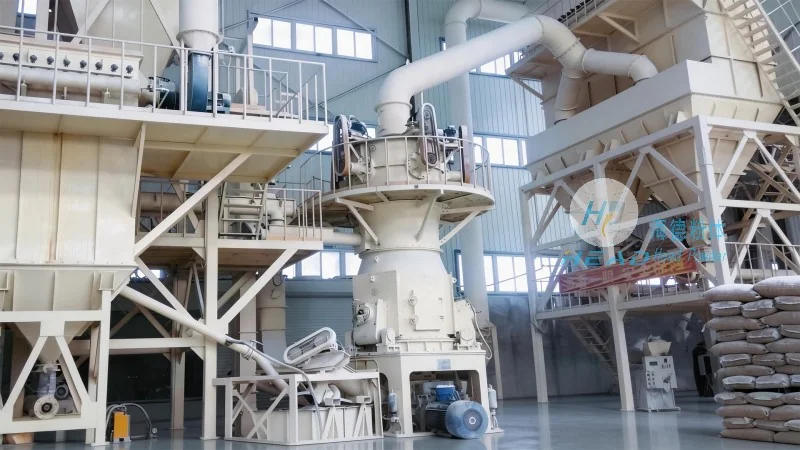
Design Principles for Efficient Material Handling
The design principles behind a sodium sulfate powder material handling conveyor focus on several critical factors to ensure efficiency and reliability. One of the primary principles is the prevention of material bridging and caking. This is achieved through the use of inclined or horizontal conveyor designs with appropriate angles and the incorporation of vibrators or agitators to break up any potential blockages. Another key principle is the minimization of dust generation. The conveyor system is often enclosed or equipped with dust collection systems to maintain a clean and safe working environment. Additionally, the design considers the material's flow properties, such as its angle of repose and bulk density, to determine the optimal conveyor speed and inclination. The use of materials resistant to corrosion and wear, such as stainless steel or special coatings, is also essential to ensure the longevity of the conveyor system. These design principles collectively contribute to a system that can handle sodium sulfate powder effectively and safely.
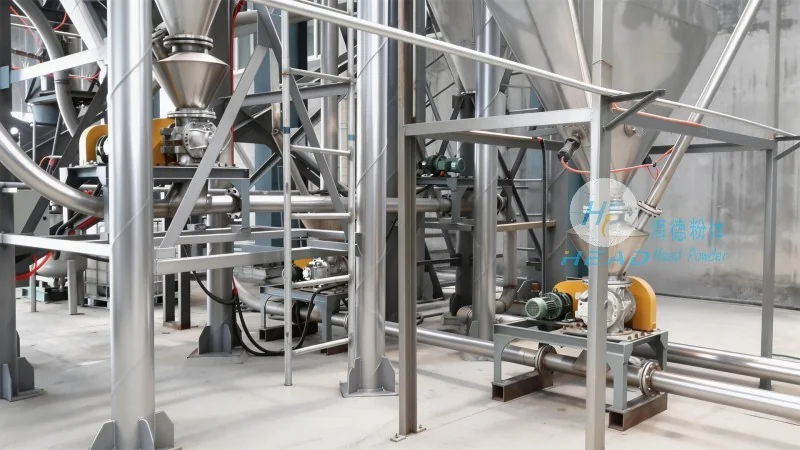
Application and Benefits in Industrial Settings
In industrial settings, the sodium sulfate powder material handling conveyor plays a crucial role in streamlining production processes. By providing a continuous and controlled flow of sodium sulfate, these systems help maintain consistent material supply to downstream processes, such as mixing, grinding, or packaging. The benefits of using such a conveyor system include improved operational efficiency, reduced labor costs, and enhanced safety. The controlled environment of the conveyor minimizes the risk of dust exposure and material spillage, contributing to a safer workplace. Furthermore, the consistent flow of material ensures that production processes run smoothly without interruptions caused by material shortages or blockages. The durability and reliability of the conveyor system also contribute to long-term cost savings by reducing maintenance and replacement costs. Overall, the sodium sulfate powder material handling conveyor is an essential component in industries that rely on this material, providing a reliable and efficient solution for material transport.
Conclusion
In conclusion, a sodium sulfate powder material handling conveyor is a specialized piece of equipment designed to efficiently and safely transport sodium sulfate powder in industrial applications. The design principles, components, and features of such a system are tailored to address the unique characteristics of sodium sulfate, ensuring optimal performance and reliability. By understanding the design and operation of these conveyors, industries can enhance their material handling processes, improve efficiency, and maintain a safe working environment. The sodium sulfate powder material handling conveyor, as part of the broader material handling solutions offered by companies like Shandong HeadPowder Engineering Co., Ltd., represents a critical investment for any facility dealing with this essential material.