

What is a Refractory Material Conveying Line? And What Are Its Design Principles?
Refractory material conveying lines are essential industrial systems designed to transport refractory materials, such as raw materials, finished products, or waste, within manufacturing facilities. These systems play a critical role in optimizing production processes, enhancing operational efficiency, and ensuring the safe handling of materials with high temperatures and abrasive properties. The design of a refractory material conveying line involves careful consideration of various factors, including material characteristics, processing requirements, and environmental conditions. By understanding the core components and design principles, industries can select or develop an effective conveying system tailored to their specific needs.
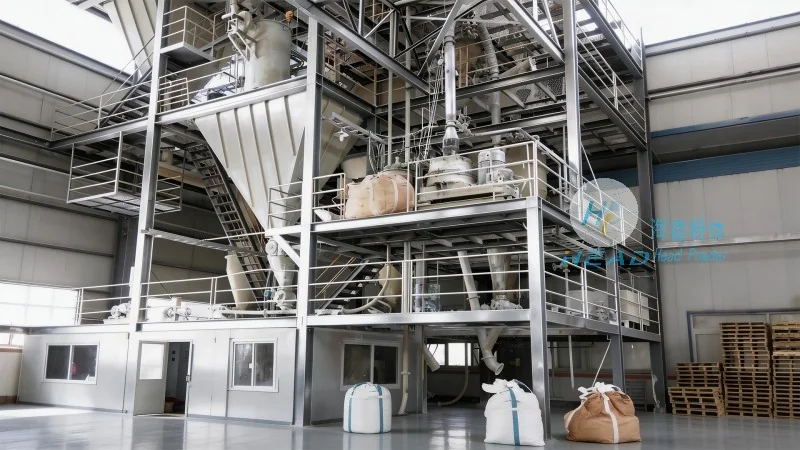
Understanding Refractory Material Conveying Lines
A refractory material conveying line typically consists of a series of components that work together to move materials from one location to another. These components may include feeders, conveyors (such as belt conveyors, screw conveyors, or bucket elevators), storage silos, and control systems. The choice of equipment depends on the type of refractory material being handled—whether it is bulk powders, granules, or larger pieces—and the distance and elevation changes required for transport. For example, belt conveyors are commonly used for transporting bulk powders over long distances, while screw conveyors are suitable for handling granular materials in vertical or horizontal orientations. Bucket elevators are often employed to lift materials vertically, especially in applications where vertical movement is necessary to reach higher processing stages.
Key Design Principles for Refractory Material Conveying Lines
The design of a refractory material conveying line must adhere to several key principles to ensure reliable operation and longevity. First, the system must be constructed from materials that can withstand the high temperatures and chemical exposure associated with refractory materials. This often involves using corrosion-resistant and heat-resistant materials, such as stainless steel, alloy steels, or specialized coatings, to protect the equipment from wear and degradation. Second, the design must prioritize efficiency and minimal material loss. Proper sealing and alignment of components are crucial to prevent dust emissions and material spillage, which not only improve safety but also reduce material costs. Third, the system should be designed for easy maintenance and accessibility. Components like bearings, belts, and drive mechanisms should be easily replaceable and inspectable to minimize downtime and maintenance costs. Additionally, the control system must be robust and user-friendly, allowing operators to monitor and adjust the conveying process as needed.
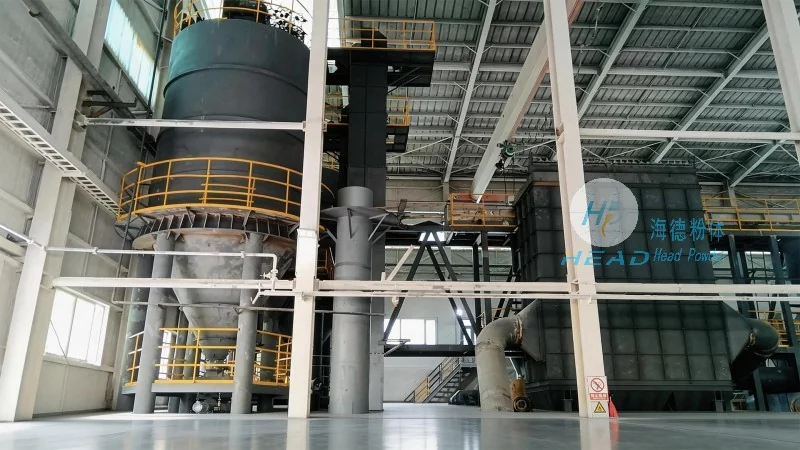
Components and Their Functions in a Refractory Material Conveying Line
Each component of a refractory material conveying line serves a specific function to ensure smooth material flow. The feeder is the first component, responsible for uniformly feeding material into the conveyor system. It may include devices like rotary valves or vibratory feeders to control the flow rate and prevent blockages. The conveyor itself is the primary transport mechanism, which can be categorized into different types based on the application. For instance, belt conveyors use a continuous belt to move materials horizontally or at a slight incline, while screw conveyors utilize a rotating screw to push materials forward. Bucket elevators, as mentioned earlier, use a series of buckets attached to a chain or belt to lift materials vertically. The storage silo is another critical component, used to store raw materials or finished products before or after processing. It helps regulate the flow of materials and prevents overloading the conveying system. Finally, the control system manages the entire operation, including speed adjustments, material level monitoring, and safety interlocks to prevent accidents.
Applications and Industries Using Refractory Material Conveying Lines
Refractory material conveying lines are widely used in various industries that rely on refractory materials, including the steel, cement, ceramics, and foundry sectors. In the steel industry, for example, conveying lines are used to transport raw materials like limestone and iron ore to blast furnaces, as well as to move finished products like steel ingots. In the cement industry, these systems are essential for transporting raw materials such as limestone, clay, and iron ore to cement kilns. The ceramics industry uses conveying lines to transport raw clay and other materials to kilns for firing, while the foundry industry employs them to move refractory materials used in molds and casting processes. Each industry has unique requirements, such as different material types, processing temperatures, and throughput rates, which influence the design and configuration of the conveying line.
Customization and Integration with Other Systems
Due to the diverse nature of refractory materials and industrial processes, refractory material conveying lines are often customized to meet specific client needs. Companies like Shandong HeadPowder Engineering Co., Ltd., based in China, specialize in designing and manufacturing tailored conveying systems that integrate seamlessly with existing production lines. These companies consider factors such as material properties, production capacity, and space constraints to develop solutions that enhance operational efficiency. Customization may involve adjusting the conveyor speed, modifying the material handling capacity, or integrating additional features like dust collection systems or material sorting mechanisms. By working closely with clients, these companies ensure that the conveying line not only meets current requirements but also accommodates future expansion or technological advancements.
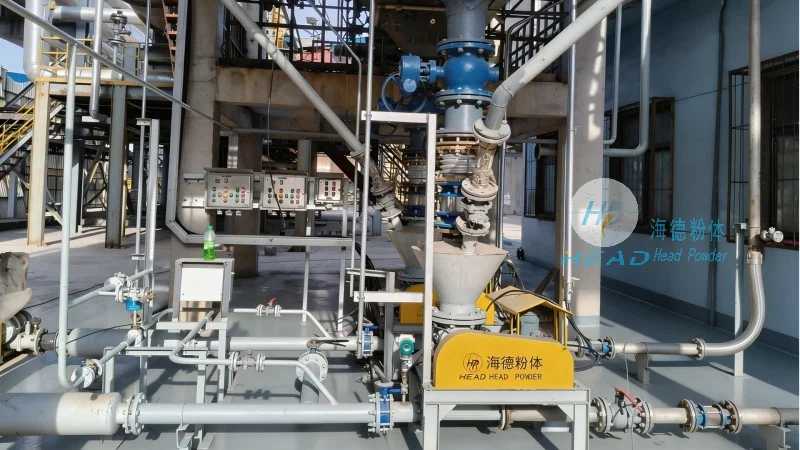
Maintenance and Longevity of Refractory Material Conveying Lines
Proper maintenance is crucial to ensure the longevity and reliability of a refractory material conveying line. Regular inspections and maintenance activities help identify and address potential issues before they lead to system failures. This includes checking for wear and tear on conveyor belts, lubricating moving parts, and inspecting the integrity of the material handling components. Companies like Shandong HeadPowder Engineering Co., Ltd. provide maintenance services and spare parts to support their clients' conveying systems, ensuring that the equipment operates at optimal performance levels. By adhering to a regular maintenance schedule, industries can minimize downtime, reduce repair costs, and extend the lifespan of their conveying lines. Additionally, using high-quality materials and components from reputable manufacturers, such as Shandong HeadPowder, contributes to the overall durability and reliability of the system.
Conclusion: The Importance of Well-Designed Refractory Material Conveying Lines
In conclusion, refractory material conveying lines are vital components of modern industrial operations, enabling the efficient and safe transport of refractory materials. The design principles and components of these systems are carefully selected to meet the unique demands of each application, ensuring optimal performance and longevity. Companies like Shandong HeadPowder Engineering Co., Ltd., with their expertise and commitment to quality, play a key role in providing tailored solutions that enhance production efficiency and reduce operational costs. By understanding the importance of proper design, material selection, and maintenance, industries can leverage the benefits of refractory material conveying lines to achieve their production goals while ensuring safety and sustainability.