

What is a Cement and Mineral Powder Material Conveying Line? And What Are Its Design Principles?
For industrial operations that handle large volumes of cement and mineral powders, an efficient material conveying line is essential to ensure smooth production processes and minimize operational disruptions. This article explores the concept of a cement and mineral powder material conveying line, detailing its design principles and the key factors that contribute to its effective implementation.
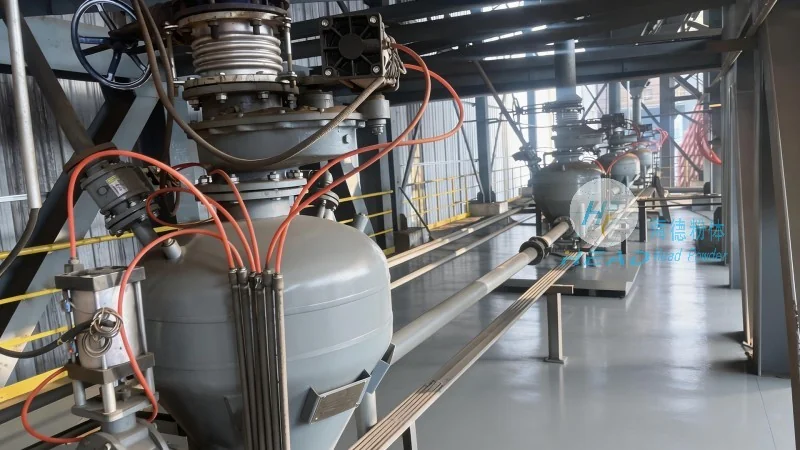
Introduction to Cement and Mineral Powder Material Conveying Lines
A cement and mineral powder material conveying line is a specialized system engineered to transport bulk materials such as cement, fly ash, slag, and other mineral powders from storage silos or production areas to processing units or packaging stations. These systems are critical in cement manufacturing, power plants, and construction material production facilities, where the reliable and continuous movement of powders is vital for maintaining production efficiency and product quality.
Core Components and Functional Design of the Conveying System
The design of a cement and mineral powder conveying line typically involves several interconnected components, each serving a specific function to ensure the safe and efficient transport of materials. Key components include:
1. Feeding Equipment: This includes hoppers, feeders, and rotary valves that control the flow of material from storage silos into the conveying system. Proper feeding equipment is crucial to prevent material bridging, caking, or uneven flow, which can lead to system blockages or inefficiencies.
2. Pneumatic Conveying Systems: Many modern cement and mineral powder conveying lines utilize pneumatic systems, which use air pressure to transport powders through pipelines. These systems can be classified as pressure or vacuum types, depending on the application requirements. Pneumatic conveying offers advantages such as low maintenance, flexibility in layout, and the ability to handle fine powders without the need for mechanical components that might cause wear or contamination.
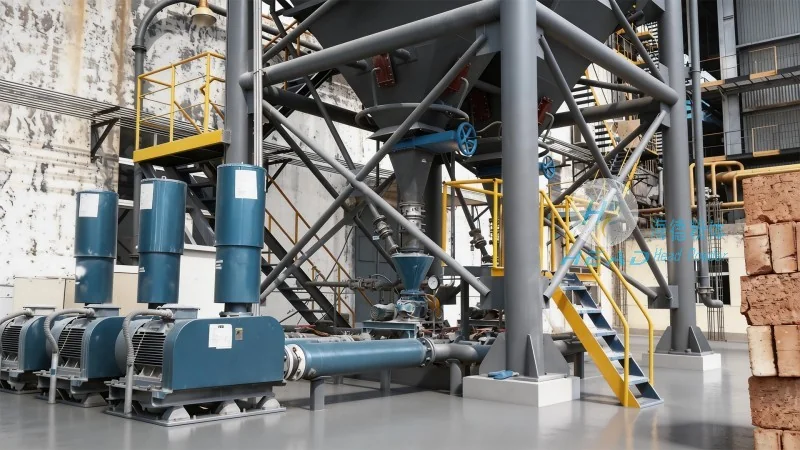
3. Pipelines and Fittings: The conveying line consists of a network of pipelines, often made from stainless steel or other corrosion-resistant materials, to ensure durability and prevent material degradation. Fittings such as elbows, tees, and check valves are strategically placed to direct the flow of powders and maintain system pressure.
4. Control Systems: Advanced control systems, including sensors, variable frequency drives (VFDs), and programmable logic controllers (PLCs), are integrated into the conveying line to monitor and regulate the flow of materials. These systems enable real-time adjustments to maintain optimal performance, detect abnormalities, and prevent system failures.
Design Principles and Technical Considerations
The design of a cement and mineral powder material conveying line is guided by several key principles to ensure safety, efficiency, and longevity. These principles include:
1. Material Compatibility: The materials used in the conveying system, including pipelines, valves, and fittings, must be compatible with the cement and mineral powders being transported. This is particularly important to prevent corrosion, abrasion, or chemical reactions that could damage the equipment or compromise the quality of the materials.
2. Flow Rate and Capacity: The system must be designed to handle the required flow rate and capacity based on the production needs. This involves selecting appropriate equipment, such as feeders and pumps, that can deliver the necessary volume of material without causing excessive pressure drops or energy consumption.
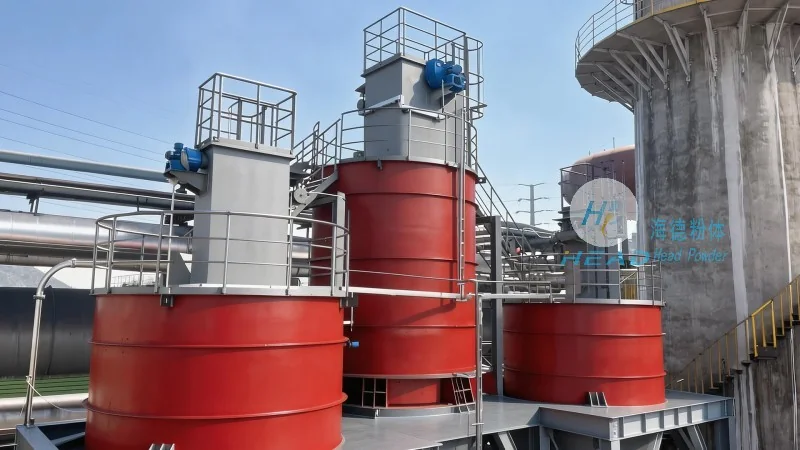
3. System Integration: The conveying line must be integrated with other production processes, such as storage, mixing, and packaging, to ensure seamless operation. This includes coordinating the timing of material transport with other production steps to minimize bottlenecks and maximize overall efficiency.
4. Safety and Maintenance: Safety is a top priority in the design of these systems, with features such as explosion-proof components, dust collection systems, and emergency shutdown mechanisms. Regular maintenance is also critical to ensure the longevity of the equipment and prevent unexpected failures.
Application Scenarios and Industry Relevance
Cement and mineral powder material conveying lines are widely used in various industries, including cement manufacturing, power generation, and construction material production. In cement plants, these systems are essential for transporting raw materials and finished products, while in power plants, they are used to convey fly ash and slag for disposal or reuse. The versatility and efficiency of these systems make them indispensable in modern industrial operations.
As a leading provider of engineering solutions for material handling, Shandong HeadPowder Engineering Co., Ltd. specializes in designing and manufacturing customized cement and mineral powder material conveying lines tailored to the specific needs of industrial clients. HeadPowder, headquartered in Shandong, China, has established itself as a trusted partner in the industry, delivering solutions that enhance operational efficiency and reduce costs for its clients.