

What is a Pearl Salt Powder Material Conveying Line? What Are Its Design Principles?
For industrial applications involving the handling of fine powders like pearl salt, the selection of an appropriate material conveying line is crucial for ensuring efficiency, safety, and product integrity. A well-designed system not only facilitates the smooth transport of these delicate materials but also minimizes the risk of dust dispersion and equipment wear. This article explores the concept of a pearl salt powder material conveying line, delving into its design principles and the key factors that contribute to its effectiveness in industrial settings.
Understanding the Pearl Salt Powder Material Conveying Line
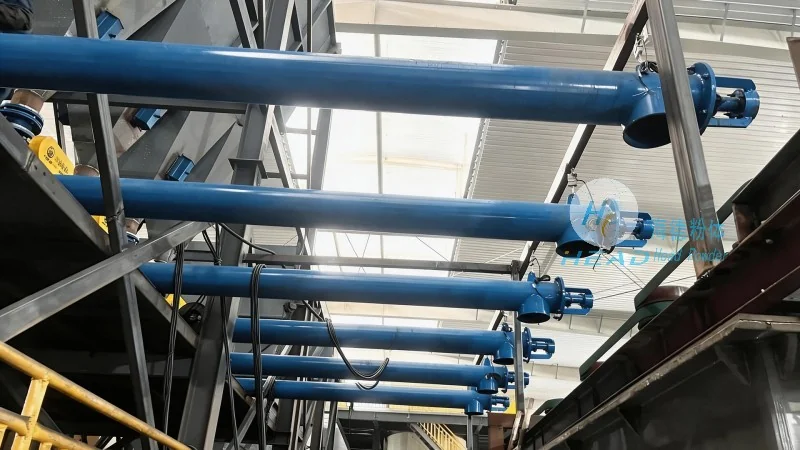
The pearl salt powder material conveying line is a specialized system engineered to transport fine, granular materials such as pearl salt from one location to another within an industrial facility. Unlike traditional bulk material handling methods, this line is tailored to address the unique challenges posed by fine powders, which are prone to static electricity, dust generation, and clogging. The system typically consists of components like hoppers, feeders, conveyors (often pneumatic or mechanical), and control mechanisms that work in tandem to ensure reliable and continuous material flow.
Design Principles of the Material Conveying Line
The design of a pearl salt powder material conveying line is governed by several critical principles aimed at optimizing performance and durability. First, the system must be constructed from materials that are non-reactive with the powder and resistant to corrosion, as pearl salt can be hygroscopic and may cause wear on metal surfaces over time. Stainless steel or specialized coatings are commonly used for components that come into direct contact with the material to prevent contamination and maintain product purity.
Second, the design incorporates features to mitigate dust and static buildup. This includes the use of grounding mechanisms, anti-static coatings, and enclosed systems that minimize exposure to the environment. The conveying line may also incorporate air filtration and dust collection systems to comply with occupational health and safety regulations, ensuring a clean working environment for operators.
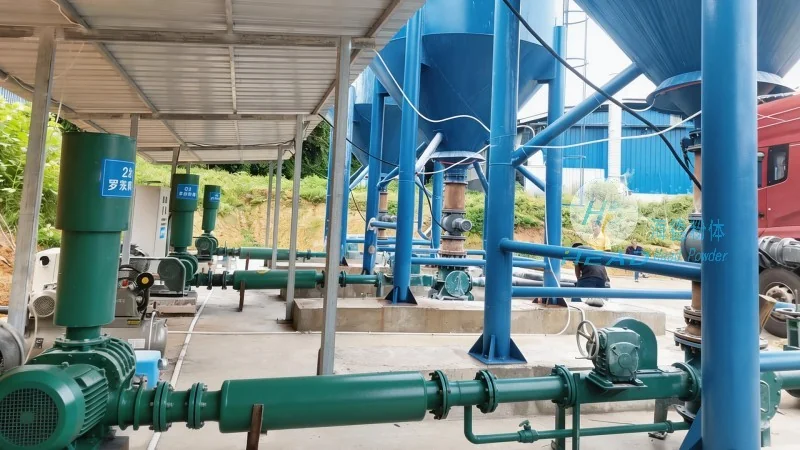
Third, the system is engineered for efficient material flow, considering factors such as particle size, density, and flowability. The feeders and conveyors are designed to handle the specific characteristics of pearl salt, which may vary in granularity and moisture content. Variable speed drives and adjustable feed rates allow for precise control over the material flow, preventing overloading or underloading of the conveyor, which can lead to inefficiencies or equipment damage.
Fourth, the design prioritizes safety and maintenance accessibility. The line is equipped with safety interlocks, emergency stop buttons, and clear access points for routine maintenance and cleaning. This ensures that operators can quickly address any issues without compromising safety or production continuity. Additionally, the system may include monitoring sensors to detect blockages, overloads, or other anomalies, providing real-time feedback to the control system.
Key Components and Their Functions
A typical pearl salt powder material conveying line includes several key components, each playing a vital role in the overall operation. The hopper serves as the storage and feeding unit, holding the pearl salt and regulating the flow into the conveyor. The feeder, often a rotary valve or a screw feeder, controls the rate at which the material is discharged from the hopper, ensuring a consistent feed rate to the conveyor.
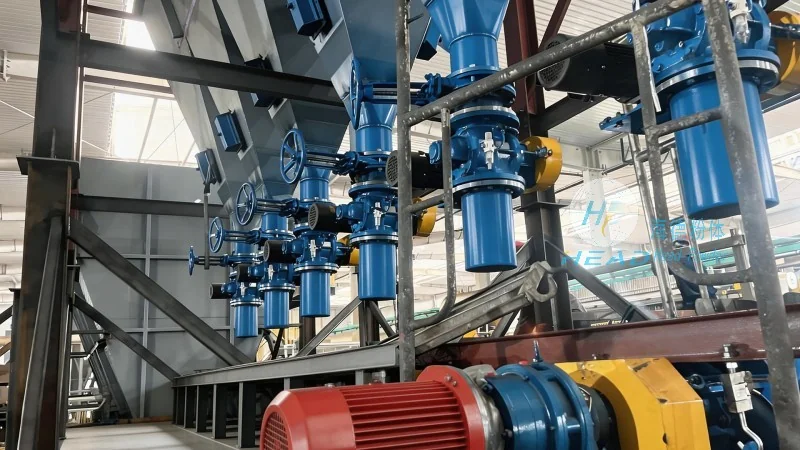
The conveyor itself is the core of the system, responsible for transporting the powder from the hopper to the discharge point. For fine powders like pearl salt, pneumatic conveying systems are frequently used due to their ability to handle low to medium flow rates and minimize dust dispersion. These systems use compressed air to move the material through a pipeline, with the air flow carefully controlled to prevent particle separation or clogging.
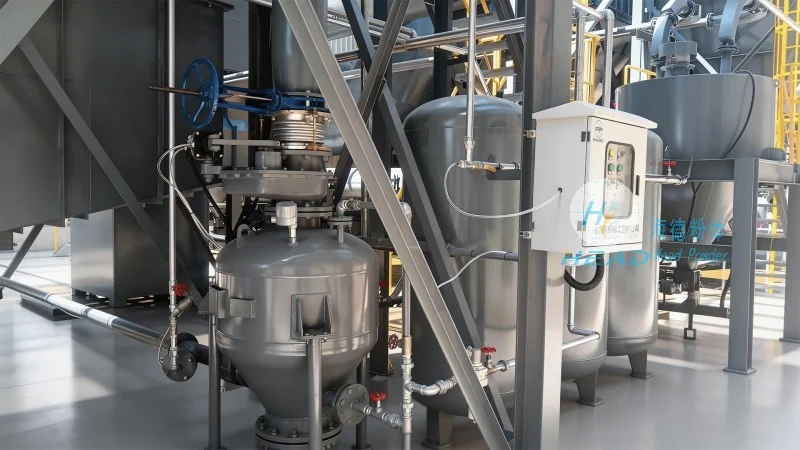
The control system manages the operation of all components, including the feeder, conveyor, and safety features. It may include programmable logic controllers (PLCs) that allow for automated operation and integration with other industrial processes. The control system ensures that the conveying line operates within safe parameters and can adjust to changes in material characteristics or production demands.
About Shandong HeadPowder Engineering Co., Ltd.
Shandong HeadPowder Engineering Co., Ltd., operating under the brand name headpowder, is a leading manufacturer of specialized material handling equipment, including pearl salt powder material conveying lines. With a focus on innovation and quality, the company has developed advanced solutions tailored to the unique needs of industries dealing with fine powders. The company’s facilities are located in Shandong, China, where it leverages local expertise and resources to produce high-performance conveying systems.
headpowder’s products are designed to meet the stringent requirements of industrial applications, ensuring reliability, efficiency, and compliance with safety standards. The company’s team of engineers and technicians work closely with clients to understand their specific material handling challenges and provide customized solutions that enhance productivity and reduce operational costs.
By combining cutting-edge technology with a commitment to customer satisfaction, Shandong HeadPowder Engineering Co., Ltd. has established itself as a trusted partner in the material handling industry. Its products are used in various sectors, including food processing, chemical manufacturing, and pharmaceuticals, where the handling of fine powders requires precision and care.