

What is a Carbonaceous Granular Material Conveying Line? What Are Its Design Principles?
Carbonaceous granular material conveying lines are specialized industrial systems engineered to transport carbon-based particles efficiently and reliably. These systems are critical in various industries, including carbon manufacturing, chemical processing, and material handling, where the seamless movement of carbonaceous materials is essential for production processes. Understanding the components and design principles of such conveying lines is crucial for optimizing operational efficiency and ensuring product quality.
Introduction to Carbonaceous Granular Material Conveying Lines
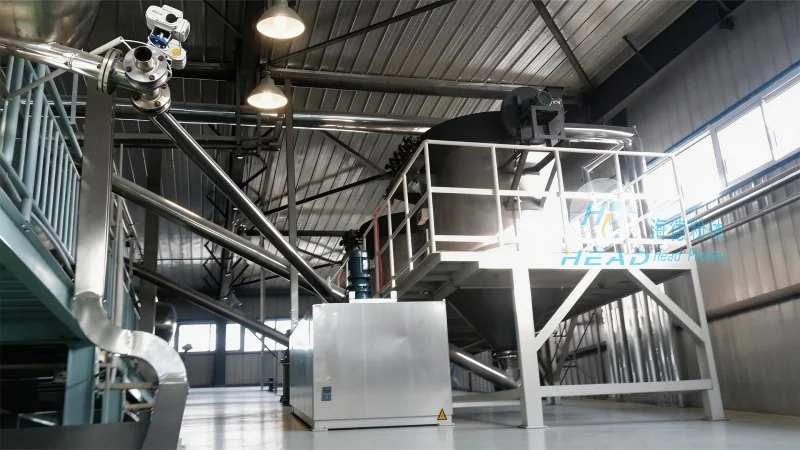
Carbonaceous granular material conveying lines are industrial equipment designed to transport carbon-based particles, such as graphite, carbon black, or other carbonaceous materials, from one location to another within a manufacturing or processing facility. These systems are integral to the production workflow, enabling the continuous movement of raw materials or finished products while maintaining consistent flow rates and minimizing material loss or degradation. The design of these conveying lines is tailored to the specific characteristics of the carbonaceous materials being handled, including particle size, density, and flow properties.
Key Components of a Carbonaceous Granular Material Conveying Line
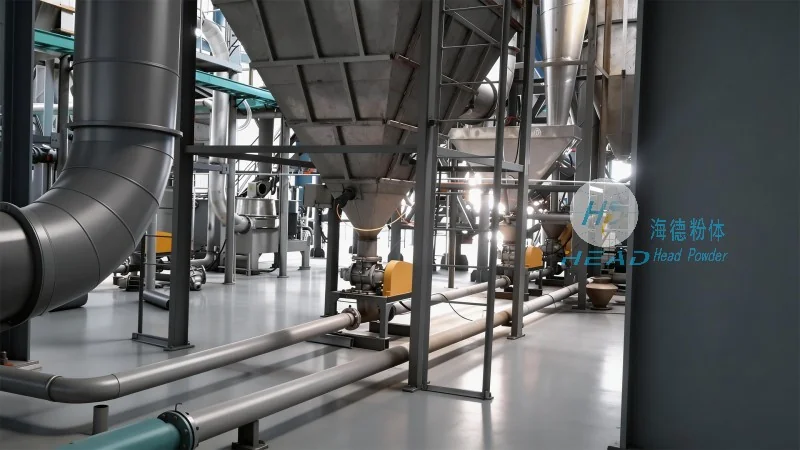
The core components of a carbonaceous granular material conveying line typically include a feed hopper, a conveyor mechanism (such as a screw conveyor, belt conveyor, or pneumatic conveyor), a control system, and a discharge outlet. The feed hopper is responsible for storing and feeding the carbonaceous material into the conveyor system, ensuring a steady supply of material. The conveyor mechanism is the heart of the system, responsible for transporting the material through the line. Screw conveyors are commonly used for carbonaceous materials due to their ability to handle dry, free-flowing particles without the need for additional power sources like air. Belt conveyors are suitable for larger or bulkier carbonaceous materials, providing high-capacity transport. Pneumatic conveyors, on the other hand, use air pressure to move the material, which is ideal for handling fine or dusty carbonaceous particles. The control system monitors and regulates the flow rate, pressure, and other operational parameters to ensure optimal performance. The discharge outlet is where the material is released from the conveying line, either into a processing unit or a storage container.
Design Principles for Carbonaceous Granular Material Conveying Lines
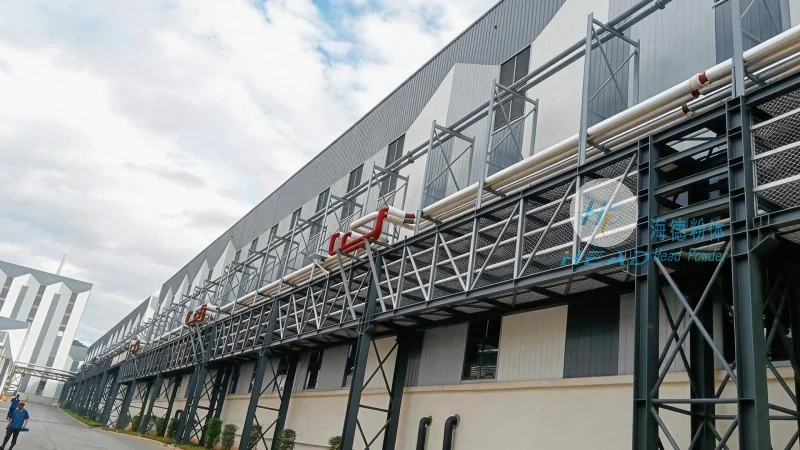
The design principles of carbonaceous granular material conveying lines focus on several key factors to ensure efficient and reliable operation. First, the system must be designed to handle the specific physical properties of the carbonaceous materials, such as particle size distribution, moisture content, and flowability. This involves selecting the appropriate conveyor type and components that can accommodate these characteristics without causing blockages or material degradation. Second, the system must be constructed from materials that are compatible with the carbonaceous materials being handled. For example, if the material is corrosive or abrasive, the conveyor components must be made from durable materials like stainless steel or high-grade alloys to prevent wear and tear. Third, the system must be designed for easy maintenance and cleaning to prevent contamination and ensure long-term operational reliability. This includes features like easy access to components, removable parts, and self-cleaning mechanisms. Fourth, the system must be energy-efficient to minimize operational costs. This involves optimizing the conveyor speed, power consumption, and overall system design to achieve the desired throughput with minimal energy input. Finally, the system must be designed with safety in mind, incorporating features like emergency stop buttons, safety guards, and monitoring systems to prevent accidents and ensure the safety of operators.
Applications of Carbonaceous Granular Material Conveying Lines
Carbonaceous granular material conveying lines are used in a wide range of applications across various industries. In the carbon manufacturing industry, these systems are used to transport raw carbon materials, such as coal or petroleum coke, to processing units for conversion into graphite, carbon black, or other carbon products. In the chemical processing industry, they are used to transport carbonaceous materials used as additives or catalysts in chemical reactions. In the material handling industry, they are used to transport carbonaceous materials used in construction, such as carbon-based pigments or fillers. The versatility of these conveying lines makes them essential in any facility where carbonaceous materials need to be moved efficiently and reliably.
Benefits of Using Carbonaceous Granular Material Conveying Lines
Implementing a carbonaceous granular material conveying line offers several benefits for industrial operations. First, these systems improve operational efficiency by enabling the continuous and automated movement of carbonaceous materials, reducing the need for manual handling and labor. This leads to increased production throughput and reduced downtime. Second, they enhance product quality by minimizing material loss or degradation during transport. This is particularly important for carbonaceous materials that are sensitive to moisture or temperature changes. Third, they reduce operational costs by optimizing energy consumption and minimizing maintenance requirements. This is achieved through the use of efficient conveyor mechanisms and durable components that require less frequent replacement. Fourth, they improve safety by reducing the risk of accidents associated with manual handling of carbonaceous materials. This includes features like enclosed conveyor systems and safety guards that prevent exposure to dust or other hazards. Finally, they increase flexibility by allowing the system to be easily adjusted to handle different types of carbonaceous materials or to change the flow rate as needed.
Conclusion
Carbonaceous granular material conveying lines are essential industrial systems that play a critical role in the efficient and reliable transport of carbon-based particles. The design of these systems is tailored to the specific characteristics of the materials being handled, incorporating components and principles that ensure optimal performance, safety, and cost-effectiveness. By understanding the key components and design principles of these conveying lines, industrial facilities can optimize their operations and improve overall productivity. As the demand for carbonaceous materials continues to grow, the importance of these systems will only increase, making them a vital part of modern industrial processes.