

What is Cast Sand Powder Material Handling Equipment? And What Are Its Design Principles?
Cast sand is a critical raw material in the foundry industry, used extensively in the production of metal castings. The efficient and reliable handling of cast sand powder is essential for maintaining production efficiency and quality control. This article explores the concept of cast sand powder material handling equipment and delves into the fundamental design principles that underpin such systems.
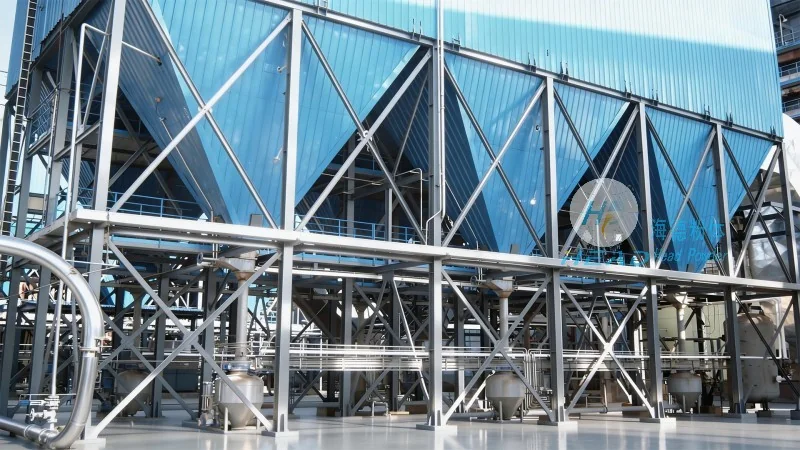
Understanding Cast Sand Powder Material Handling Equipment
Cast sand powder material handling equipment refers to a range of machinery and systems engineered to transport, store, and distribute cast sand powder in foundry operations. These systems are designed to address the unique challenges posed by cast sand, including its abrasive nature, varying particle sizes, and the need for dust control. The primary goal of such equipment is to ensure a continuous and controlled flow of cast sand from storage silos or bins to the molding and casting processes, minimizing downtime and operational risks.
The Role of Cast Sand in Foundry Production
Cast sand serves as a refractory material in the molding process, providing structural support and thermal insulation for the molten metal. Its quality and consistency directly impact the dimensional accuracy and surface finish of the final castings. Therefore, the proper handling of cast sand is not just a logistical task but a critical factor in the overall quality of the casting output. HeadPowder, a leading manufacturer in this field, recognizes these requirements and has developed specialized equipment to meet the demands of modern foundries.
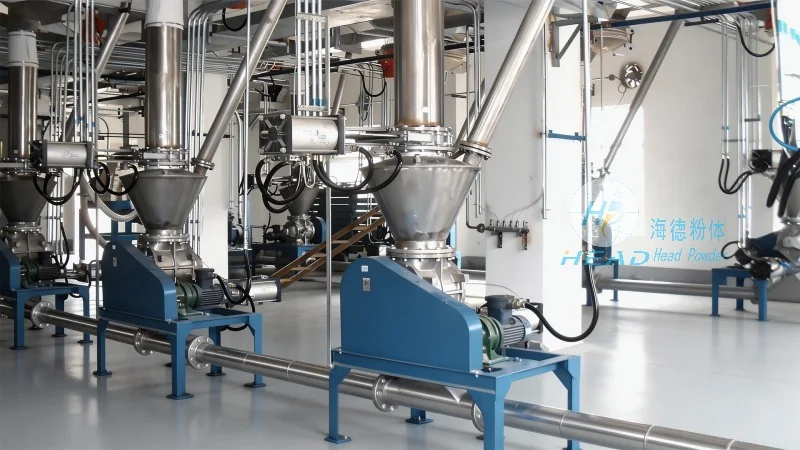
Design Principles of Cast Sand Powder Handling Systems
The design of cast sand powder handling equipment is guided by several key principles aimed at optimizing performance, safety, and longevity. One of the most common design approaches is the use of pneumatic conveying systems, which utilize compressed air to transport the sand in a sealed pipeline. This method offers advantages such as minimal dust emissions, reduced material degradation, and the ability to handle both dry and moist sand. The design of the conveying line, including the selection of appropriate duct sizes, air velocities, and pressure drops, is crucial for ensuring efficient material transport. Additionally, the system incorporates components like rotary valves, feeders, and silos to control the flow rate and prevent blockages.
Key Components and Their Functions
A typical cast sand powder handling system consists of several interconnected components, each playing a vital role in the overall operation. The storage silo or hopper is the initial point of contact, where cast sand is stored under controlled conditions to prevent moisture absorption and degradation. From the silo, a rotary valve or feeder regulates the flow of sand into the conveying line. The feeder ensures a consistent and controlled discharge rate, which is essential for maintaining stable pressure and preventing overloading of the downstream equipment. The conveying line itself is constructed from durable materials, such as stainless steel or high-grade plastic, to withstand the abrasive nature of cast sand and resist corrosion. At the receiving end, another rotary valve or discharge hopper controls the delivery of sand to the molding machine, ensuring a smooth and uninterrupted supply.
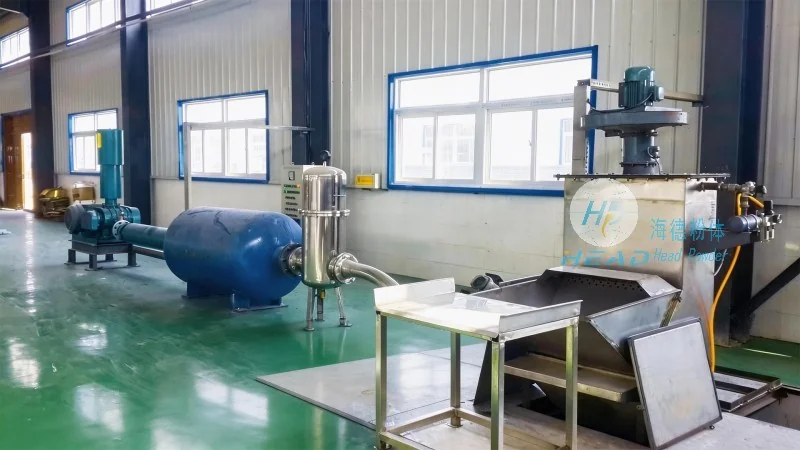
Advantages of Advanced Cast Sand Handling Equipment
Modern cast sand powder handling equipment, as offered by Shandong HeadPowder Engineering Co., Ltd., incorporates advanced features that enhance operational efficiency and reduce maintenance costs. These systems often include automated control panels with real-time monitoring capabilities, allowing operators to track flow rates, pressure, and material levels. The use of high-efficiency filters and dust collection systems ensures compliance with environmental regulations and maintains a clean working environment. Furthermore, the modular design of these systems enables easy integration with existing foundry infrastructure, minimizing installation time and disruption to production.
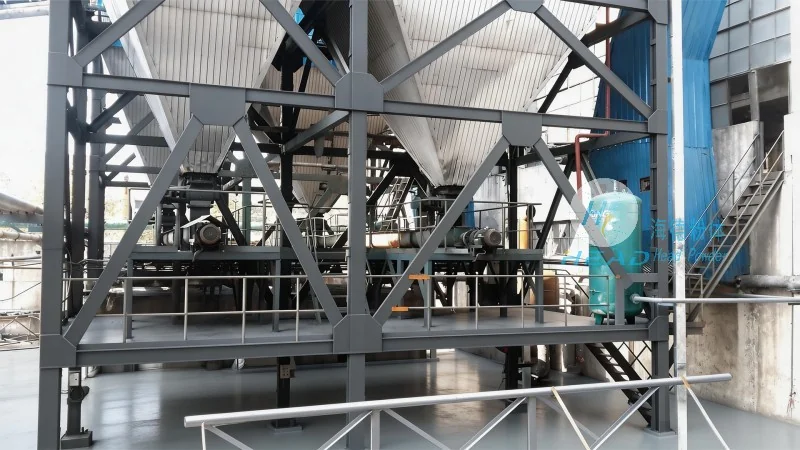
Application in Foundry Operations
The effectiveness of cast sand powder handling equipment is demonstrated in various foundry applications, from small-scale job shops to large-scale industrial plants. In these settings, the equipment is integrated into the production line to ensure a seamless flow of materials. For example, in a sand molding foundry, the equipment transports cast sand from the storage area to the molding machine, where it is compacted and shaped into molds. The consistent supply of sand is critical for maintaining the quality of the molds, which in turn affects the quality of the final castings. HeadPowder's equipment has been successfully implemented in foundries across China, where the company's expertise in material handling solutions has helped improve production efficiency and reduce operational costs.
Conclusion
Cast sand powder material handling equipment is a vital component of modern foundry operations, enabling the efficient and reliable transport of a critical raw material. The design principles behind such systems focus on optimizing material flow, ensuring safety, and maintaining product quality. Shandong HeadPowder Engineering Co., Ltd., with its commitment to innovation and quality, provides advanced solutions tailored to the specific needs of foundries. By understanding the design principles and components of these systems, foundry operators can enhance their production processes and achieve higher levels of efficiency and profitability.