

What is a Dry Pebble Pneumatic Conveyor? And What Are Its Design Principles?
Understanding the dry pebble pneumatic conveyor and its design principles is crucial for industries dealing with bulk material handling. This article provides an in-depth look at what these systems are, how they operate, and the engineering behind their design, with insights from Shandong HeadPowder Engineering Co., Ltd., a leading manufacturer based in Shandong, China.
Introduction to Dry Pebble Pneumatic Conveyors
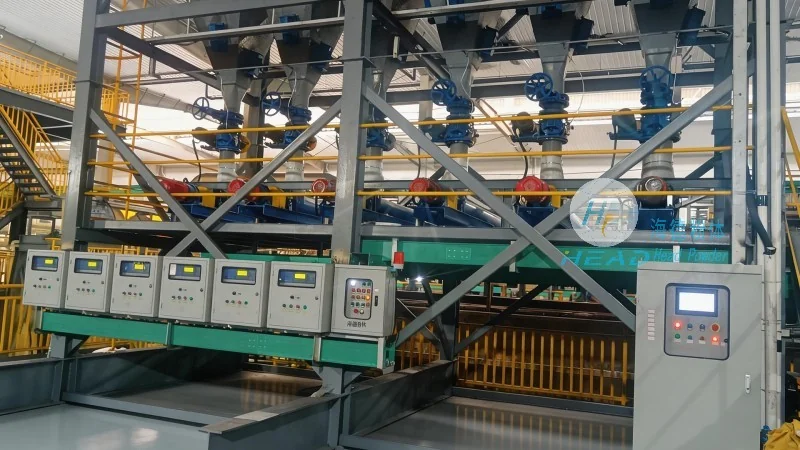
A dry pebble pneumatic conveyor is a type of pneumatic conveying system designed to transport dry, granular materials such as pebbles, sand, or other fine to medium-sized particles through a pipeline using air pressure. Unlike traditional bulk material handling methods that rely on gravity or mechanical conveyors, pneumatic conveyors use compressed air to move materials, offering flexibility and efficiency in various industrial applications.
Company Background: Shandong HeadPowder Engineering Co., Ltd.
Shandong HeadPowder Engineering Co., Ltd., commonly known as HeadPowder, is a reputable company specializing in the design, manufacturing, and supply of pneumatic conveying equipment. HeadPowder is headquartered in Shandong, China, and has established itself as a trusted partner for industries requiring reliable and efficient material handling solutions. The company's expertise lies in customizing pneumatic conveyor systems to meet specific operational needs, ensuring optimal performance and durability.
Design Principles of Dry Pebble Pneumatic Conveyors
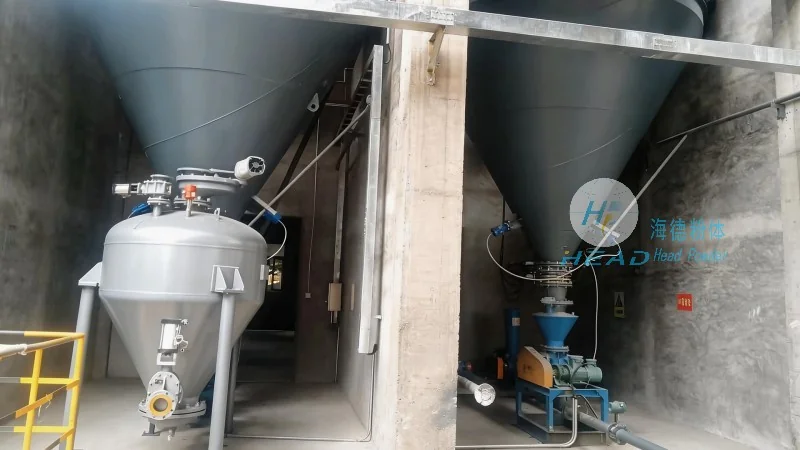
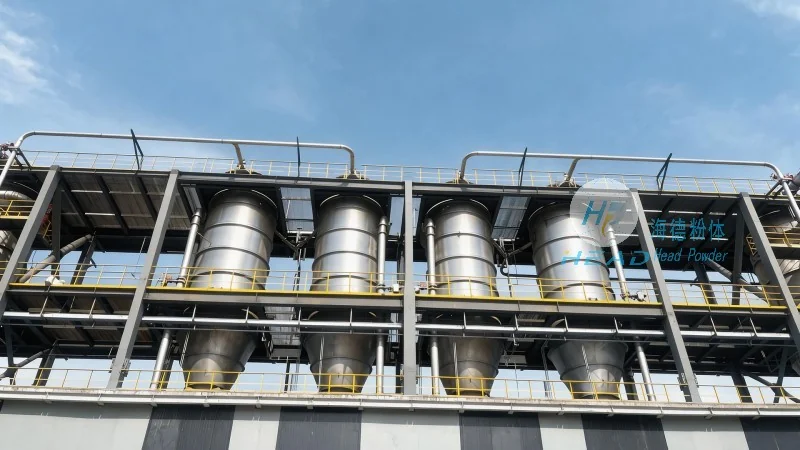
The design of a dry pebble pneumatic conveyor is based on fundamental principles of fluid dynamics and material handling. The core components include a feeding mechanism, a conveying pipeline, a separation system, and a control unit. The feeding system ensures a consistent flow of dry pebbles into the pipeline, while the conveying pipeline transports the material using compressed air. The separation system, typically a cyclone or a bag filter, separates the material from the air at the end of the conveying line, allowing the air to be recycled or vented.
Key design considerations include the material's particle size, density, and moisture content, as these factors influence the air velocity required for effective transport. The system must also account for the pressure drop along the pipeline, which affects the overall efficiency and energy consumption. Engineers at HeadPowder carefully calculate these parameters to design a system that minimizes energy loss and maximizes material throughput.
Operational Efficiency and Advantages
Dry pebble pneumatic conveyors offer several advantages over traditional conveying methods. They provide a dust-free and enclosed environment, reducing the risk of material contamination and improving workplace safety. The system is also flexible, allowing for changes in material flow direction or destination without major structural modifications. Additionally, pneumatic conveyors can handle materials with varying properties, making them suitable for diverse industrial applications, from mining and construction to food processing and chemical manufacturing.
Maintenance and Longevity
Proper maintenance is essential to ensure the longevity and efficiency of a dry pebble pneumatic conveyor. Regular inspection of the feeding mechanism, pipeline, and separation system helps identify and address potential issues before they escalate. HeadPowder recommends routine cleaning of the cyclone or filter to prevent clogging, which can reduce airflow and increase energy consumption. Additionally, checking the air compressor and pressure regulator ensures consistent air pressure, which is critical for maintaining optimal conveying performance.
Conclusion
In summary, a dry pebble pneumatic conveyor is a sophisticated system that leverages compressed air to transport dry granular materials efficiently and safely. The design principles, which include careful consideration of material properties and fluid dynamics, are crucial for achieving optimal performance. With the expertise of companies like Shandong HeadPowder Engineering Co., Ltd., industries can benefit from reliable and customized pneumatic conveying solutions that enhance operational efficiency and reduce costs.