

What is a phosphate iron pneumatic conveyor? What are its design principles?
Phosphate iron pneumatic conveyors are specialized industrial equipment designed to transport bulk phosphate iron materials through a system of air pressure. These devices operate by combining air flow with the material being conveyed, enabling efficient movement from one location to another without the need for mechanical components such as belts or buckets. As part of the product portfolio of Shandong HeadPowder Engineering Co., Ltd., a company based in Shandong, China, these conveyors represent a reliable solution for industries dealing with phosphate iron, including chemical processing, mining, and manufacturing. The technology behind these systems leverages pneumatic transport principles to achieve seamless material handling, making them an essential tool for modern industrial operations.
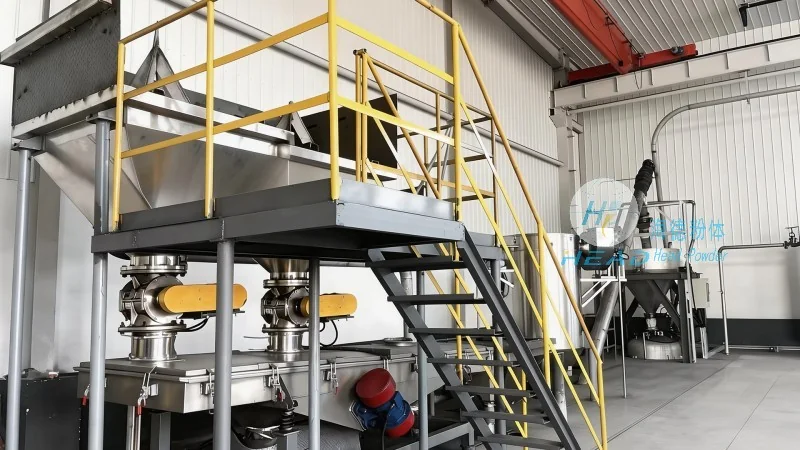
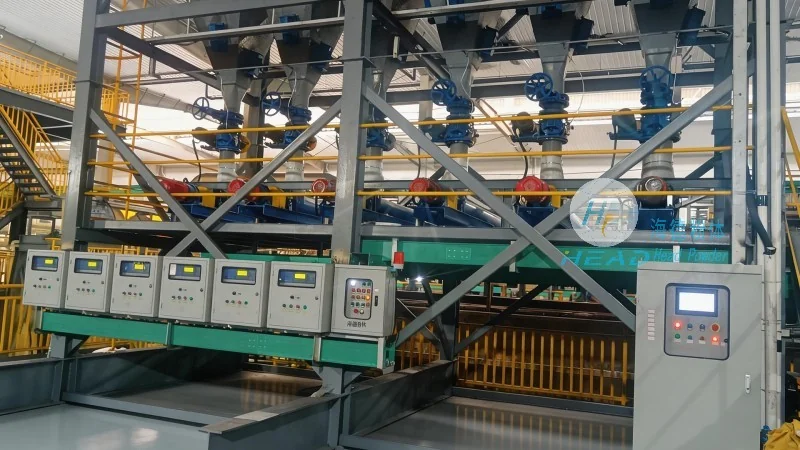
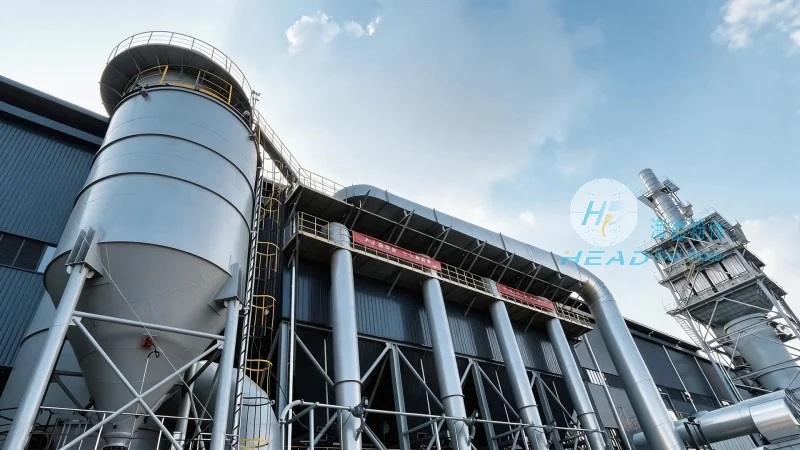
Design Principles Underpinning Phosphate Iron Pneumatic Conveyors
The design of phosphate iron pneumatic conveyors is built on several fundamental principles that ensure optimal performance, efficiency, and durability. The core principle is the creation of a sealed system where air and material are transported together, minimizing material loss and contamination. This design approach involves integrating key components such as an air compressor or blower, a material hopper or feeder, a pipeline system, and a separation unit. The air compressor generates the necessary pressure to propel the material through the pipeline, while the hopper controls the flow of phosphate iron into the system. The pipeline, typically constructed from corrosion-resistant materials like stainless steel or high-density polyethylene, guides the material to its destination. The separation unit, often a cyclone or filter, separates the material from the air at the end of the conveyor, ensuring clean discharge. Design considerations also include energy efficiency, with the system engineered to minimize air loss and maintain consistent pressure. Safety features, such as pressure relief valves and material containment systems, are incorporated to protect operators and prevent system failures. The overall design is tailored to handle the abrasive and corrosive nature of phosphate iron, ensuring long-term reliability and performance.
Key Components and Their Functional Roles
Understanding the individual components of a phosphate iron pneumatic conveyor is crucial to grasping how the entire system operates. Each component plays a specific role in the material handling process, contributing to the system's overall efficiency and effectiveness. The air compressor or blower is the primary power source, responsible for generating high-pressure air that drives the material through the pipeline. It is typically sized to match the conveyor's capacity, ensuring sufficient air flow to maintain material transport. The material hopper or feeder serves as the storage and feeding mechanism, where phosphate iron is loaded and introduced into the pipeline. This component often includes a rotary valve or screw feeder to control the flow rate, preventing overfeeding or underfeeding that could disrupt system performance. The pipeline system is a critical part of the design, consisting of straight sections, bends, and elbows to guide the material to its destination. The material of construction is chosen to withstand the abrasive and corrosive properties of phosphate iron, reducing wear and tear over time. The separation unit, such as a cyclone separator, uses centrifugal force to separate the material from the air, collecting the material in a discharge hopper while allowing the air to be recirculated or vented. Additional components may include check valves to prevent backflow and pressure sensors to monitor system performance. Each component is carefully selected and integrated to create a cohesive system that meets the specific requirements of phosphate iron transport, ensuring smooth and continuous operation.