

What is an Automatic Feeding Pneumatic Conveying System for Waste? And What Are Its Design Principle
Automatic feeding pneumatic conveying systems for waste management represent a sophisticated solution designed to enhance the efficiency and safety of handling solid waste materials. These systems are engineered to transport waste from collection points to processing facilities or disposal sites using air as the primary conveying medium. The core of such systems lies in their ability to automate the feeding process, reducing manual labor and minimizing exposure to hazardous conditions for workers.
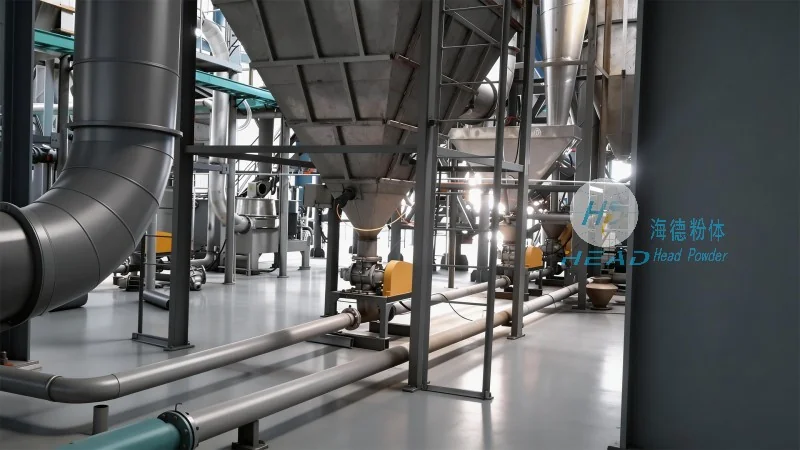
Overview of the Automatic Feeding Pneumatic Conveying System
The system typically consists of several key components, including a hopper for waste storage, an air compressor to generate the necessary air pressure, a conveying line (often a flexible hose or rigid pipe), and a receiver or processing unit at the destination. The automatic feeding mechanism may involve sensors or control systems that detect the level of waste in the hopper and trigger the air compressor to start the conveying process when the hopper reaches a certain threshold. This automation ensures a continuous and steady flow of waste, optimizing the overall operation of waste management facilities.
Design Principles Underlying the System
The design principles of an automatic feeding pneumatic conveying system are centered on efficiency, reliability, and safety. Efficiency is achieved through the use of high-pressure air to move waste over long distances with minimal energy consumption compared to traditional methods like truck transport. Reliability is ensured by incorporating robust components such as durable hoppers, efficient air compressors, and well-sealed conveying lines that prevent material leakage and air loss. Safety is a critical consideration, as the system minimizes human interaction with waste during the feeding and conveying stages, reducing the risk of injuries or exposure to pathogens.
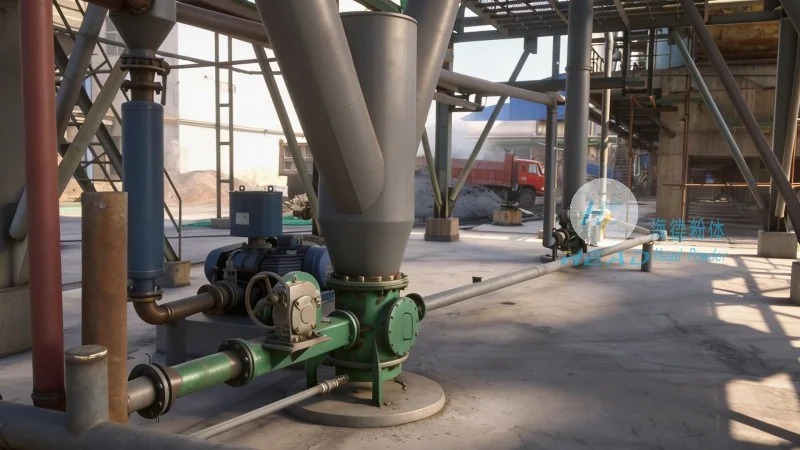
Key Components and Their Functions
Each component of the automatic feeding pneumatic conveying system plays a vital role in its operation. The waste hopper, often made of corrosion-resistant materials like stainless steel, serves as the storage container for collected waste. It is equipped with level sensors that monitor the waste volume and send signals to the control system. The air compressor, usually a positive displacement type, generates the required air pressure to create a vacuum or pressure differential that propels the waste particles through the conveying line. The conveying line, which can be flexible (e.g., flexible hose) or rigid (e.g., metal pipe), is designed to withstand the pressure and friction from the waste particles while maintaining airtightness to prevent air leakage. The receiver or processing unit at the end of the line collects the conveyed waste and may include additional processing equipment such as screens or grinders, depending on the specific application.
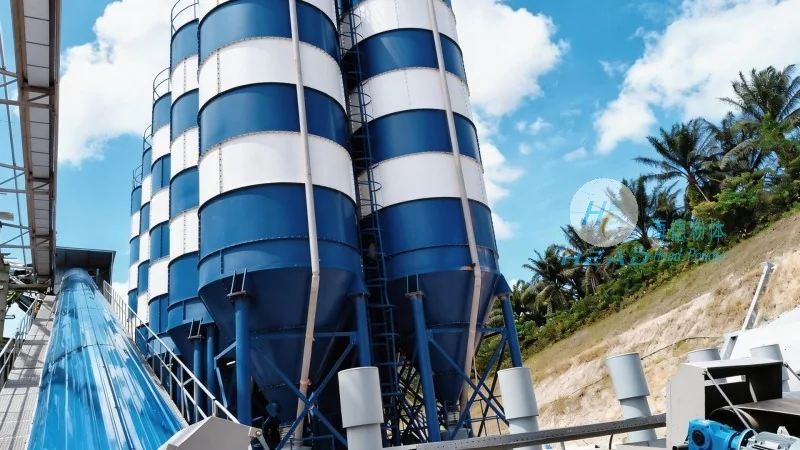
Advantages of Implementing This System
Adopting an automatic feeding pneumatic conveying system for waste management offers numerous advantages. Firstly, it significantly reduces labor costs by automating the feeding process, eliminating the need for manual loading of waste into transport vehicles or processing equipment. Secondly, it improves operational efficiency by providing a continuous flow of waste, which can increase the throughput of waste processing facilities. Thirdly, it enhances safety by minimizing human exposure to waste, reducing the risk of occupational hazards such as cuts, infections, or respiratory issues. Additionally, the system can reduce the environmental impact by minimizing the use of trucks for waste transport, thereby lowering emissions and traffic congestion in waste management areas.

Application Scenarios and Considerations
Automatic feeding pneumatic conveying systems are widely used in various waste management applications, including municipal solid waste (MSW) handling, industrial waste processing, and recycling facilities. They are particularly suitable for transporting large volumes of waste over medium to long distances, such as from waste transfer stations to landfills or from recycling plants to processing centers. When selecting or designing such a system, several factors must be considered, including the type and size of waste particles, the distance to be conveyed, the required throughput, and the available space at the facility. The system's design must also account for the potential for material segregation or degradation during transport, as well as the need for regular maintenance and cleaning to prevent blockages or corrosion.
Conclusion
In conclusion, an automatic feeding pneumatic conveying system for waste is a highly effective and efficient solution for modern waste management. By integrating automation and advanced design principles, these systems enhance operational performance, improve safety, and reduce environmental impact. As waste management practices continue to evolve, the adoption of such systems will likely become more prevalent, contributing to more sustainable and efficient waste handling processes. The expertise and engineering capabilities of companies like Shandong HeadPowder Engineering Co., Ltd. play a crucial role in developing and implementing these systems, ensuring they meet the specific needs of waste management facilities while adhering to industry standards and safety regulations.