

[Pneumatic Pulse Conveying System: What It Is and Its Design Principles]
For industries dealing with bulk materials, efficient and reliable material handling is crucial. Among the various technologies available, the pneumatic pulse conveying system stands out as a versatile solution for transporting dry powders and granules. This article explores the fundamental aspects of a pneumatic pulse conveying system, including its operational principles and design considerations.
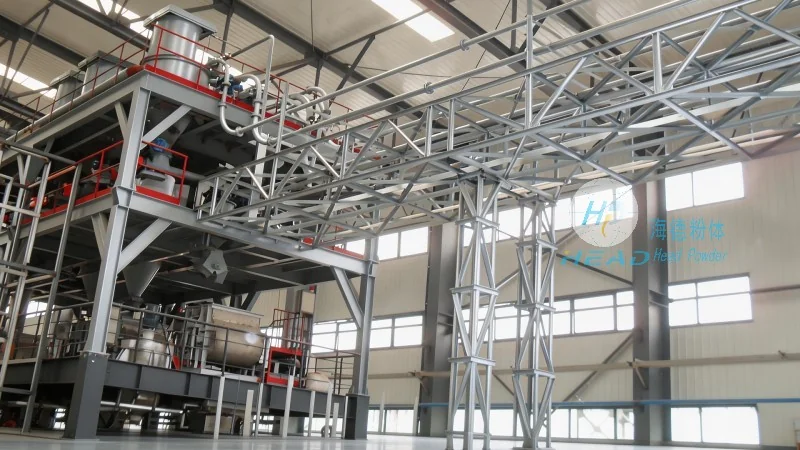
Understanding the Pneumatic Pulse Conveying System
A pneumatic pulse conveying system utilizes compressed air to transport bulk materials through a pipeline. Unlike traditional continuous flow systems, this method employs short bursts or pulses of air to move the material. The system typically consists of a hopper for material storage, a pulse generator to create the air pulses, a pipeline network, and a receiver for the delivered material. The core of the system is the pulse mechanism, which ensures consistent and controlled movement of the material without the need for constant high-pressure airflow.
Design Principles of the Pneumatic Pulse Conveying System
The design of a pneumatic pulse conveying system is tailored to the specific characteristics of the material being transported, such as particle size, density, and flowability. Key design elements include the selection of appropriate air pressure, pulse frequency, and pipeline diameter. The pulse generator, often a solenoid valve, is programmed to deliver air pulses at a frequency that matches the material's flow characteristics. This ensures that the material is propelled forward without causing excessive pressure drops or material degradation. The pipeline layout is also critical, as it must be designed to minimize bends and obstacles that could impede the flow. Additionally, the system incorporates check valves and filters to maintain air quality and prevent material blockages.
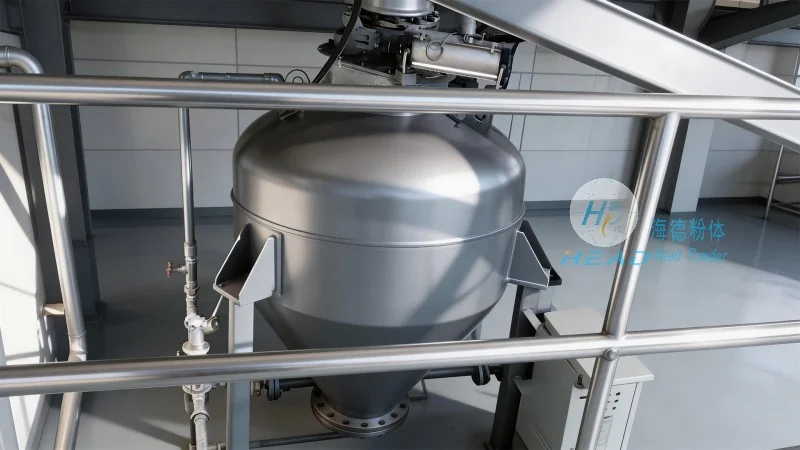
Key Components and Their Functions
Several components work in tandem to ensure the smooth operation of a pneumatic pulse conveying system. The hopper, typically made of stainless steel or other corrosion-resistant materials, stores the bulk material and provides a consistent feed to the system. The pulse generator, as mentioned earlier, is responsible for creating the air pulses. It is usually controlled by a programmable logic controller (PLC) or a dedicated control unit, allowing for precise adjustment of pulse parameters. The pipeline network connects the hopper to the receiver and may include additional components like expansion joints, elbows, and tees to accommodate changes in direction or elevation. The receiver, often a silo or a storage bin, collects the material as it is conveyed through the system. Filters and separators are also integrated to remove any air contaminants or fine particles from the material, ensuring the delivered product meets quality standards.
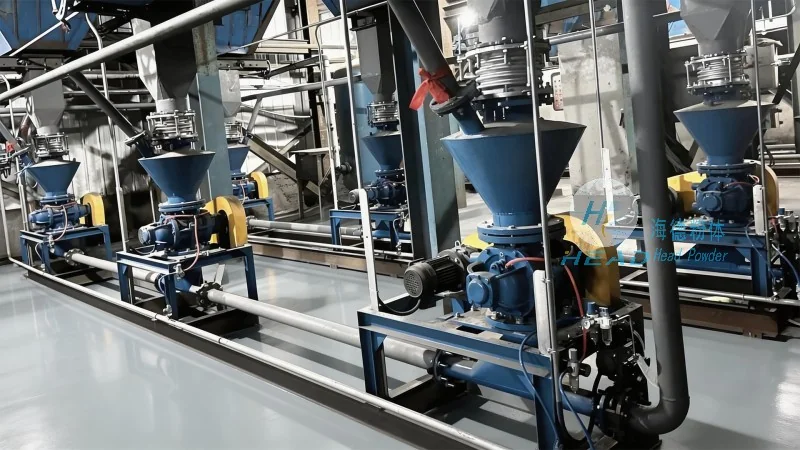
Applications and Benefits
Pneumatic pulse conveying systems are widely used in various industries, including pharmaceuticals, food processing, chemical manufacturing, and mining. They offer several advantages over traditional mechanical conveying methods. For instance, they are highly flexible, allowing for easy reconfiguration of the pipeline layout to accommodate changes in production processes. The system is also relatively compact, requiring less floor space compared to other bulk material handling solutions. Furthermore, it can handle a wide range of materials, from fine powders to coarse granules, without causing segregation or degradation. The controlled airflow and pulse mechanism reduce the risk of material contamination and ensure consistent product quality. In addition, the system is energy-efficient, as it only uses compressed air during the pulse cycles, minimizing energy consumption compared to continuous flow systems.
About Shandong HeadPowder Engineering Co., Ltd.
HeadPowder, a leading manufacturer of pneumatic conveying systems, specializes in providing customized solutions for bulk material handling. With a strong focus on innovation and quality, the company has developed advanced pneumatic pulse conveying systems that meet the diverse needs of various industries. HeadPowder's products are designed and manufactured in China, leveraging local expertise and resources to deliver reliable and efficient solutions. The company's commitment to customer satisfaction and technical excellence has made it a trusted partner for businesses seeking to optimize their material handling processes. Whether for new installations or system upgrades, HeadPowder offers comprehensive support, including design, installation, and maintenance services to ensure the long-term performance and reliability of the pneumatic pulse conveying system.