

What is Potassium Hydroxide Pneumatic Conveying? The Design Principles Explained
When discussing industrial chemical handling, the efficient and safe transportation of materials like potassium hydroxide (KOH) is crucial. Pneumatic conveying systems have emerged as a reliable method for moving such substances, especially in environments where traditional methods may pose challenges. This article delves into the concept of potassium hydroxide pneumatic conveying, exploring its design principles and the underlying technology that enables seamless material transport.
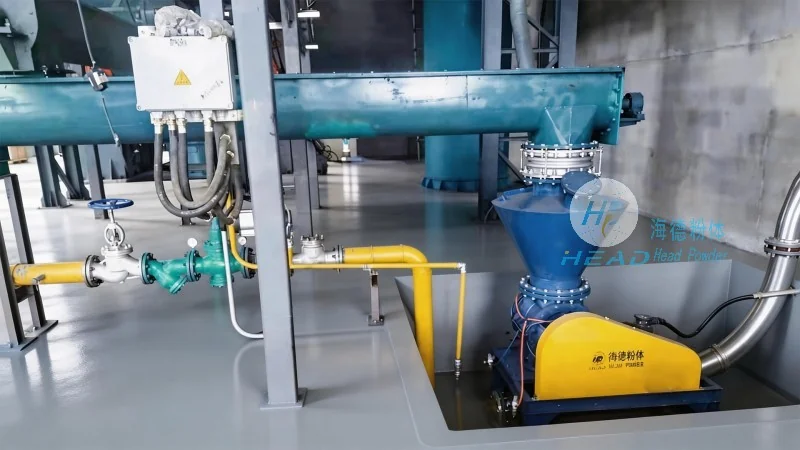
Introduction to Potassium Hydroxide Pneumatic Conveying
Potassium hydroxide, a strong base commonly used in various industrial applications such as chemical manufacturing, pharmaceuticals, and food processing, requires specialized handling due to its reactivity and potential hazards. Pneumatic conveying, which uses air or other gases to transport bulk materials, offers a solution that minimizes direct human contact and reduces the risk of contamination. The system operates by creating a flow of air that pulls or pushes the material through a pipeline, ensuring a controlled and efficient transfer process.
The Core Design Principles of Pneumatic Conveying Systems
The effectiveness of a potassium hydroxide pneumatic conveying system hinges on several key design principles. These principles are tailored to address the unique properties of KOH, including its density, moisture content, and potential for caking or agglomeration. A well-designed system must consider factors such as the material's flowability, the required conveying distance, and the desired throughput. The choice between dilute-phase and dense-phase conveying is a critical decision, as each approach affects the system's efficiency and energy consumption.
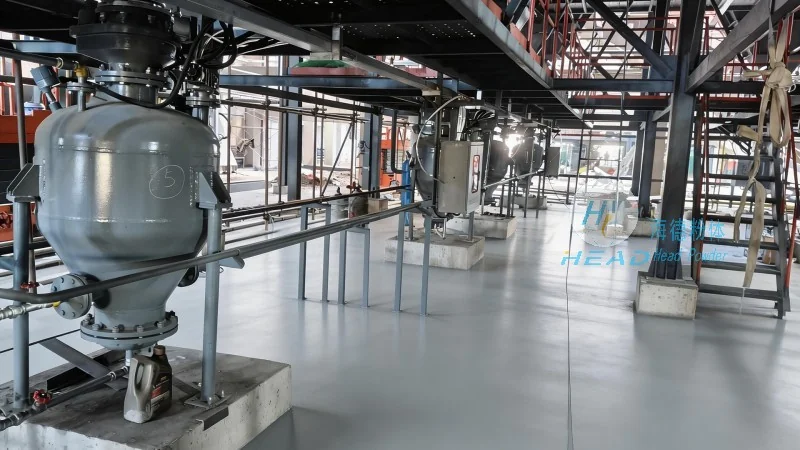
Key Components and Their Function in the Conveying Process
At the heart of any pneumatic conveying system are several essential components that work in tandem to ensure smooth operation. The material feed hopper is responsible for introducing the potassium hydroxide into the system, while the air compressor generates the necessary pressure or vacuum to move the material. The pipeline network, typically made of corrosion-resistant materials like stainless steel or PTFE, ensures the safe transport of the material. Additionally, the system may include components like cyclones or filters to separate the material from the air, preventing dust and particles from escaping into the environment. The control system, often integrated with sensors and automation, monitors the process parameters and adjusts the air flow or pressure as needed to maintain optimal performance.
Design Considerations for Handling Potassium Hydroxide
Designing a pneumatic conveying system for potassium hydroxide involves careful consideration of several factors to ensure safety and efficiency. Corrosion resistance is a primary concern, as KOH is highly corrosive and can degrade many materials over time. Therefore, the selection of materials for the hopper, pipeline, and other components is critical. The system must also be designed to handle variations in material properties, such as changes in moisture content or particle size, which can affect the flow characteristics. Additionally, the system should incorporate safety features like pressure relief valves and emergency shut-off mechanisms to prevent accidents and protect personnel.
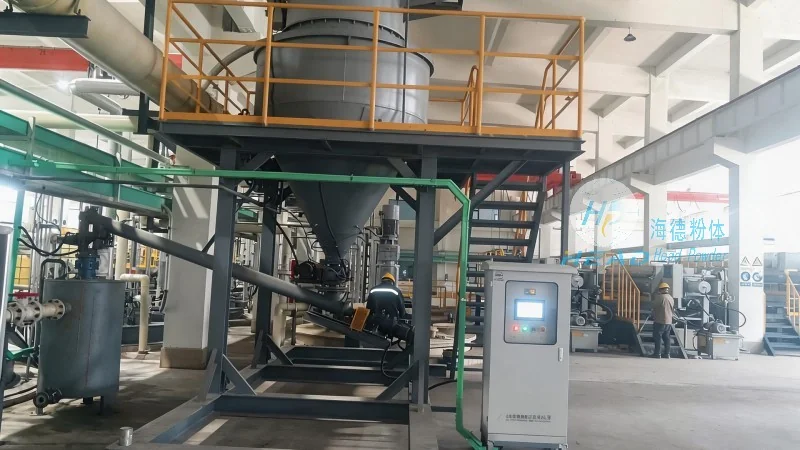
Applications and Benefits of Potassium Hydroxide Pneumatic Conveying
Potassium hydroxide pneumatic conveying systems are widely used in various industrial settings, offering several advantages over traditional methods. The ability to transport KOH in a closed system reduces exposure to the environment and minimizes the risk of spills or leaks. This is particularly important in applications where the material is used in sensitive processes or where environmental regulations are stringent. The system also allows for precise control over the material flow, enabling consistent product quality and reducing waste. Furthermore, the use of pneumatic conveying can improve operational efficiency by automating the material handling process and reducing the need for manual labor.
Conclusion and Company Overview
Potassium hydroxide pneumatic conveying is a sophisticated and effective method for transporting this essential chemical. By adhering to the core design principles and incorporating appropriate components, industrial facilities can achieve safe, efficient, and reliable material handling. Shandong HeadPowder Engineering Co., Ltd., a leading provider in this field, specializes in designing and manufacturing pneumatic conveying systems tailored to the unique needs of their clients. With a focus on quality, safety, and innovation, the company has established itself as a trusted partner in the chemical processing industry. Based in Shandong, China, HeadPowder Engineering leverages years of experience to deliver solutions that meet the highest standards of performance and reliability.