

What is Silica Fume Pneumatic Conveying? And What Are Its Design Principles?
Understanding the fundamentals of silica fume pneumatic conveying is crucial for industries that rely on efficient material handling solutions. This article delves into the core concepts of this technology, exploring its design principles and the practical applications that make it a preferred choice for transporting fine powders like silica fume.
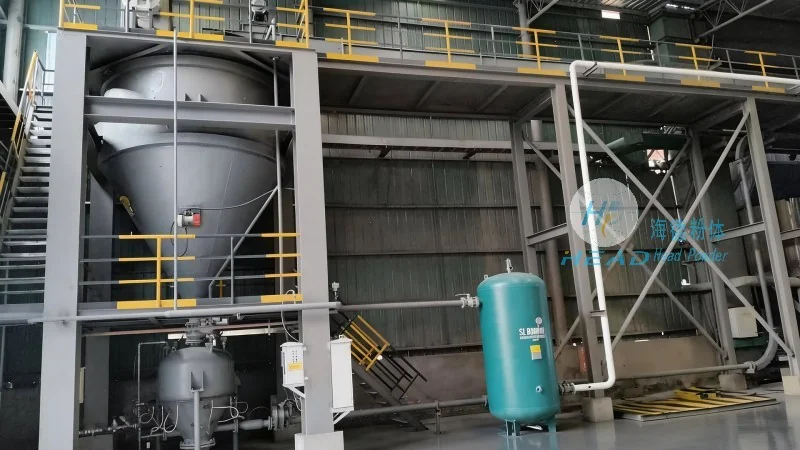
Introduction to Silica Fume Pneumatic Conveying
Silica fume, also known as microsilica, is a byproduct of silicon metal production and is widely used in concrete and other construction materials due to its high surface area and pozzolanic properties. Pneumatic conveying is a method of transporting bulk materials through a pipeline using a stream of air or gas. When applied to silica fume, this technology offers advantages such as reduced dust generation, improved safety, and enhanced material integrity compared to traditional methods like bucket elevators or belt conveyors.
Key Design Principles of Silica Fume Pneumatic Conveying Systems
The effectiveness of a silica fume pneumatic conveying system hinges on several critical design principles. First, the system must be designed to handle the specific characteristics of silica fume, including its fine particle size, high density, and potential for agglomeration. The choice of conveying velocity is paramount; it must be sufficient to prevent particle deposition on the pipeline walls while avoiding excessive pressure drops that could lead to system inefficiencies or equipment damage.
Second, the system’s layout and components, such as the hopper, feeder, and pipeline, are carefully engineered to minimize pressure losses. The hopper design, for instance, often incorporates a venturi or aeration system to ensure uniform material flow and prevent bridging or caking. The feeder, typically a rotary valve or a screw feeder, must be capable of handling the high flow rates required for silica fume, maintaining consistent pressure and preventing air leakage.
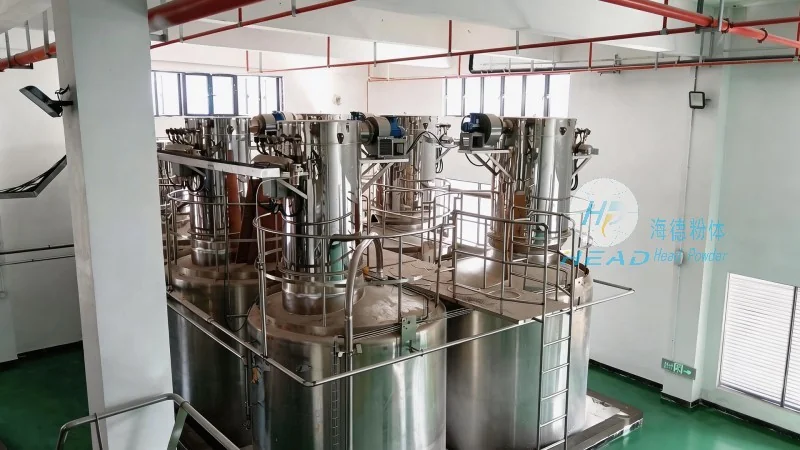
Third, the selection of materials for the pipeline and components is critical. Silica fume is highly abrasive and can cause wear on metal surfaces over time. Therefore, systems often use materials like stainless steel, polyethylene, or specialized coatings to extend the lifespan of the equipment. Additionally, the system must include proper filtration and separation mechanisms to prevent material buildup in the pipeline and ensure clean air discharge.
Components and Functionality of Silica Fume Pneumatic Conveying Systems
A typical silica fume pneumatic conveying system consists of several key components, each playing a vital role in the overall operation. The source of material, usually a storage silo or hopper, feeds the material into the system. The feeder then meters the material at a controlled rate, ensuring a steady flow into the pipeline. The pipeline itself transports the material, often using a positive pressure or negative pressure (vacuum) system, depending on the application.
In a positive pressure system, air is blown into the pipeline, pushing the material forward. This method is suitable for long-distance conveying and can handle larger volumes. In contrast, a negative pressure system uses suction to draw the material into the pipeline, which is ideal for applications requiring minimal dust exposure or where the material needs to be collected from multiple points. The system also includes a receiver or destination silo, where the material is deposited, and a filter or cyclone to separate the material from the air stream.

Advantages of Silica Fume Pneumatic Conveying
Compared to traditional material handling methods, silica fume pneumatic conveying offers several advantages that make it a preferred choice for many industries. One of the most significant benefits is the reduction in dust generation. Since the material is conveyed within a closed system, there is minimal exposure to the environment, improving workplace safety and compliance with environmental regulations. Additionally, the system eliminates the need for manual handling, reducing labor costs and the risk of material contamination.
Another advantage is the ability to handle fine powders efficiently. Silica fume particles are extremely small, and traditional methods often struggle with their flow and handling. Pneumatic conveying systems are designed to handle these fine particles without clogging or deposition, ensuring consistent performance. The system also allows for easy integration with other processes, such as mixing or batching, by delivering the material directly to the point of use.
Applications and Industries Using Silica Fume Pneumatic Conveying
Silica fume pneumatic conveying is widely used in various industries that require the efficient handling of fine powders. The construction industry, for example, relies heavily on silica fume for concrete production, as it enhances the strength and durability of the final product. The system allows for the precise delivery of silica fume to batching plants, ensuring consistent concrete quality. In the chemical industry, silica fume is used as a filler in various products, and pneumatic conveying enables the safe and efficient transport of the material from storage to processing facilities.
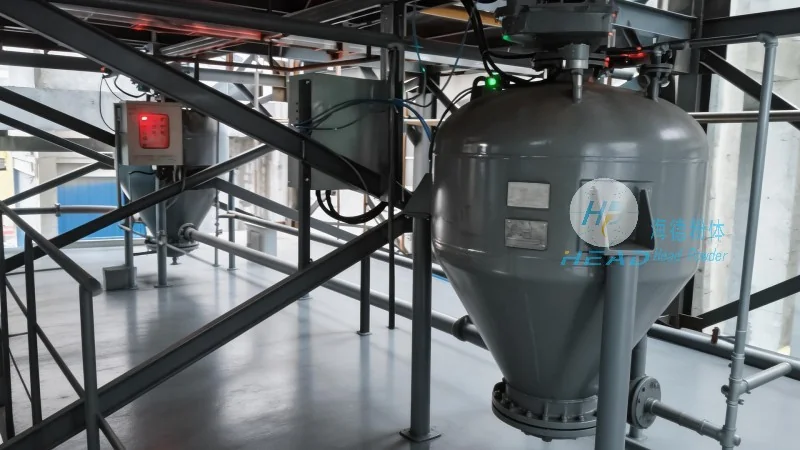
Other applications include the production of refractory materials, where silica fume is used to improve the thermal stability of the products. The automotive industry also benefits from silica fume in the manufacturing of composites and coatings, and pneumatic conveying systems ensure the material is delivered without contamination or loss. Overall, the versatility of silica fume and the efficiency of pneumatic conveying make this technology indispensable in modern industrial operations.
Conclusion and Company Overview
As we have explored, silica fume pneumatic conveying is a sophisticated and efficient method for handling fine powders like silica fume. Its design principles, which focus on material characteristics, system layout, and component selection, ensure optimal performance and longevity. The advantages of reduced dust, improved safety, and consistent material handling make it a preferred choice for industries that demand high-quality and reliable material transport solutions.
Shandong HeadPowder Engineering Co., Ltd., a leading provider in this field, specializes in the design, manufacturing, and installation of pneumatic conveying systems tailored to the unique needs of silica fume and other fine powders. With a focus on innovation and customer satisfaction, HeadPowder offers customized solutions that enhance operational efficiency and reduce costs for its clients. Based in Shandong, China, the company leverages its expertise and experience to deliver high-quality equipment and services that meet the stringent requirements of modern industrial applications.