

Copper Powder Pneumatic Conveying: What It Is and Its Design Principles
Pneumatic conveying systems are widely used in various industrial applications to transport bulk materials, including powders, granules, and fine particles. Among these materials, copper powder is particularly significant due to its high value and the precision required in its handling. Copper powder pneumatic conveying involves the use of air or other gases to transport copper powder from one location to another within a processing facility. This method offers several advantages over traditional mechanical conveying systems, such as reduced equipment wear, lower maintenance costs, and the ability to handle materials in a closed system, which helps maintain product quality and safety.
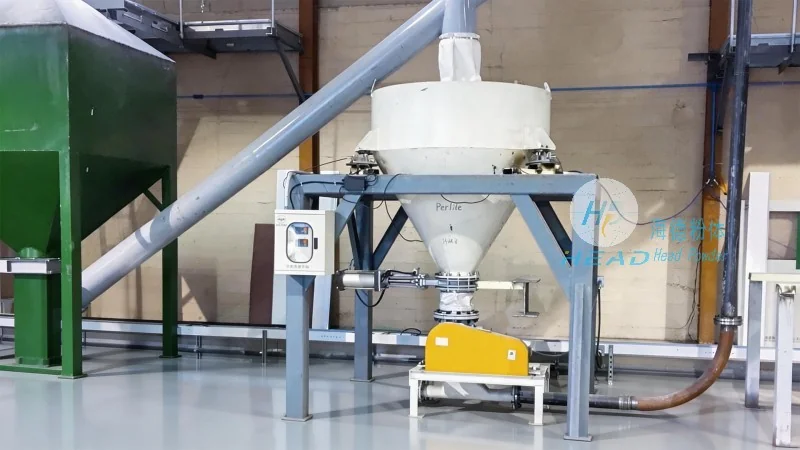
The Design Principles of Copper Powder Pneumatic Conveying Systems
The design of a copper powder pneumatic conveying system is based on several key principles that ensure efficient and reliable operation. The primary design considerations include the material properties of copper powder, the system's operating pressure and velocity, and the overall layout of the conveying line. Copper powder, being a fine particulate material, has specific characteristics such as particle size distribution, density, and flowability, which directly impact the system's performance. Engineers must carefully select the appropriate air velocity to prevent particle segregation and ensure uniform flow. The system typically consists of a hopper, a blower or compressor, a conveying line, and a receiver. The hopper is designed to store the copper powder and feed it into the system at a controlled rate. The blower provides the necessary pressure and airflow to move the powder through the line. The conveying line is usually made of materials that are resistant to corrosion and wear, such as stainless steel or special alloys, to prevent contamination and damage from the copper powder.
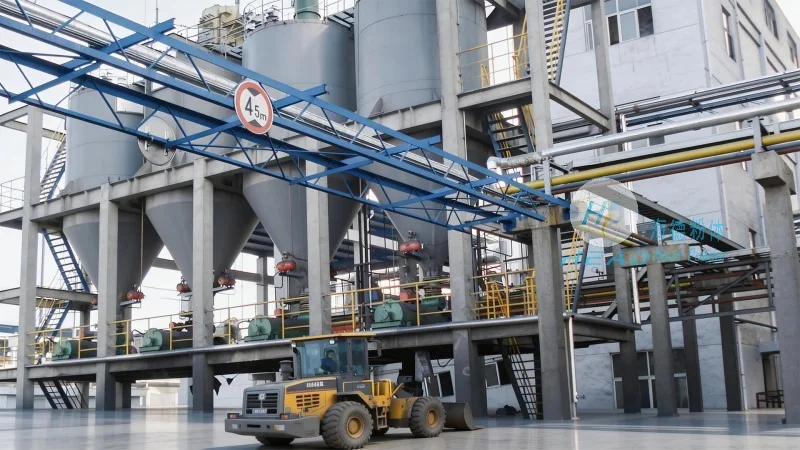
Key Components and Their Functions in Copper Powder Pneumatic Conveying
Each component of a copper powder pneumatic conveying system plays a crucial role in its operation. The hopper is the storage vessel where copper powder is held before being conveyed. It is equipped with a feeding mechanism, such as a rotary valve or a screw feeder, to regulate the flow of powder into the system. The blower or compressor generates the airflow required to transport the powder. It can be a positive displacement blower or a centrifugal fan, depending on the system's requirements. The conveying line is the pipeline through which the copper powder and air mixture travels. It is typically made of stainless steel to withstand the corrosive nature of copper powder and to maintain product purity. The receiver is the final container where the conveyed copper powder is deposited. It is designed to collect the powder efficiently and prevent any backflow or contamination.
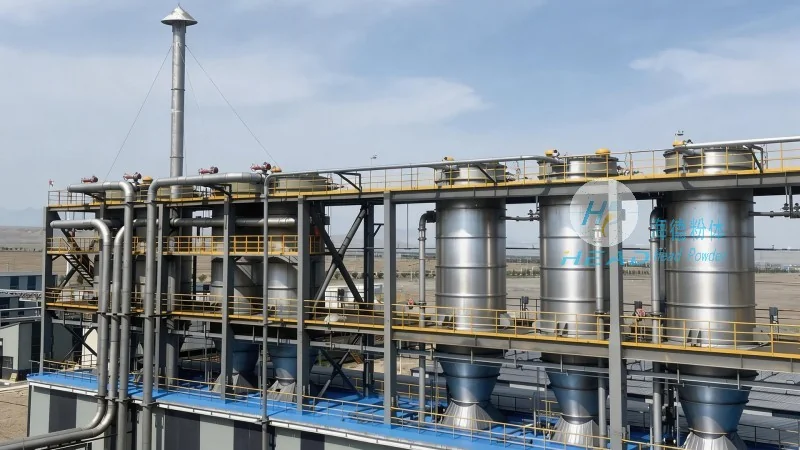
Advantages of Using Copper Powder Pneumatic Conveying
Implementing a copper powder pneumatic conveying system offers numerous benefits for industrial operations. One of the most significant advantages is the reduction in material handling costs. By eliminating the need for mechanical components like conveyor belts or buckets, the system reduces wear and tear, leading to lower maintenance expenses. Additionally, the closed system design helps maintain the quality of copper powder by preventing exposure to moisture, dust, or other contaminants. This is particularly important for copper powder, which is sensitive to environmental factors that can affect its properties. The system also allows for precise control over the flow rate and pressure, enabling consistent and reliable material transport. This precision is crucial in applications where the quality and uniformity of the copper powder are critical, such as in the production of electronic components or high-performance alloys.
Applications of Copper Powder Pneumatic Conveying
Copper powder pneumatic conveying is widely used in various industries that rely on copper powder as a raw material. In the electronics industry, copper powder is used to manufacture printed circuit boards (PCBs), connectors, and other components. The pneumatic conveying system ensures that the copper powder is delivered to the production line in a clean and controlled manner, maintaining the high standards required for electronic devices. In the metalworking industry, copper powder is used in the production of copper alloys, which are used in applications ranging from aerospace components to industrial machinery. The system helps in efficiently transporting the copper powder to the melting furnaces or mixing equipment, ensuring consistent alloy composition. In the chemical industry, copper powder is used as a catalyst or in the production of copper-based chemicals. The pneumatic conveying system provides a safe and efficient method to handle the powder, reducing the risk of dust explosions and improving workplace safety.
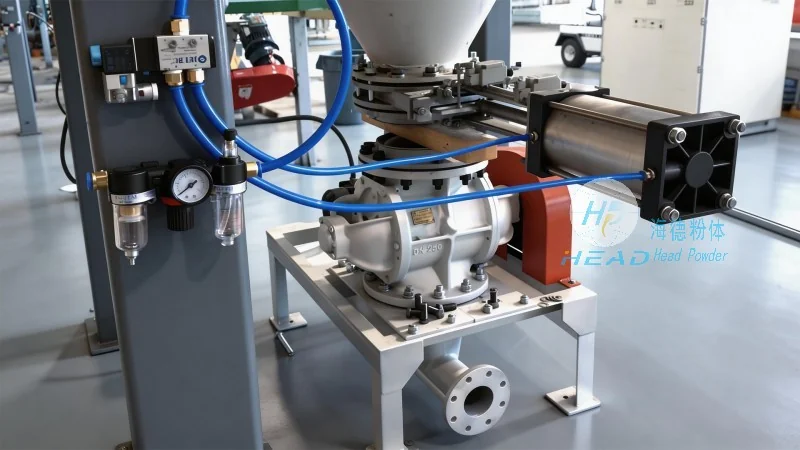
Considerations for Designing a Copper Powder Pneumatic Conveying System
When designing a copper powder pneumatic conveying system, several factors must be considered to ensure optimal performance and safety. The first consideration is the particle size and density of the copper powder. Fine particles require higher air velocities to prevent settling and ensure smooth flow. The system's operating pressure and velocity must be carefully calculated based on these properties. Another important factor is the system's layout and the distance to be covered. The length and complexity of the conveying line affect the required air pressure and the size of the blower. Engineers must also consider the potential for particle segregation, which can occur if the copper powder has a wide range of particle sizes. To mitigate this, the system may include features such as mixers or agitators to ensure uniform flow. Additionally, the system must be designed to comply with safety regulations, particularly regarding the prevention of dust explosions. This may involve incorporating explosion-proof components and proper ventilation systems.