

What is a Dry Denitration System? What Are Its Design Principles?
Welcome to Shandong HeadPowder Engineering Co., Ltd., a leading provider of advanced environmental solutions. In this article, we explore the dry denitration system, a critical technology for reducing nitrogen oxide emissions from industrial processes. Understanding the design principles behind this system is essential for optimizing air quality and compliance with environmental regulations.
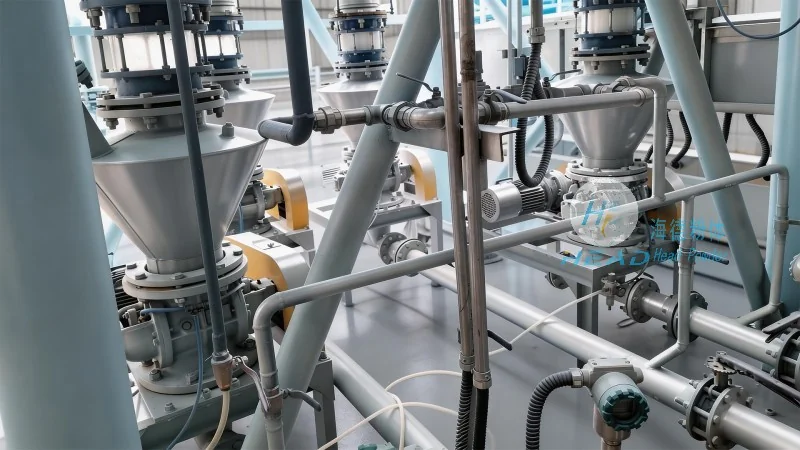
Introduction to Dry Denitration Systems
A dry denitration system, also known as a dry flue gas denitrification system, is a technology used to reduce nitrogen oxides (NOx) from exhaust gases produced by combustion processes. Unlike wet systems that use liquid absorbents, dry systems employ solid or liquid reagents in a dry form, making them more efficient and suitable for various industrial applications. The primary goal of such systems is to meet stringent environmental standards while ensuring operational efficiency.
Key Components and Design Principles of Dry Denitration Systems
The design of a dry denitration system involves several critical components, each playing a vital role in the NOx reduction process. The core components typically include a reactor or reaction chamber, a reagent injection system, and a gas distribution system. The reagent, often a selective catalytic reduction (SCR) catalyst or a non-catalytic reduction (SNCR) agent, is introduced into the flue gas stream under controlled conditions. The design principles focus on ensuring optimal contact between the reagent and the flue gas, maintaining uniform temperature and pressure, and achieving high conversion rates of NOx to less harmful compounds like nitrogen and water.
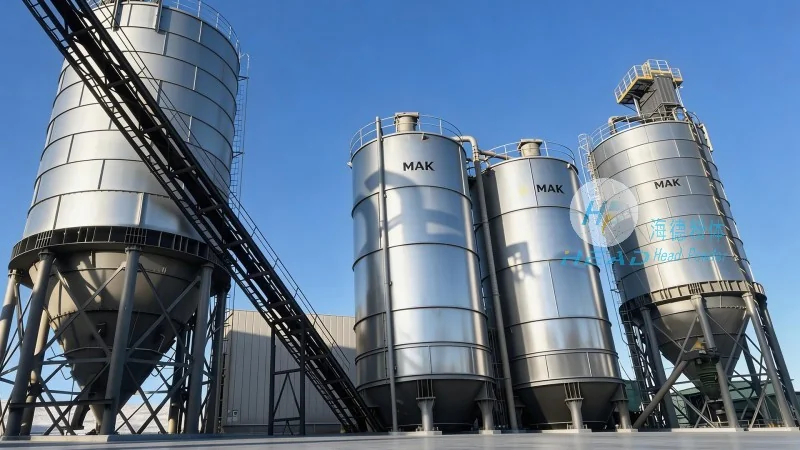
One of the key design considerations is the selection of the appropriate reagent. For example, in selective catalytic reduction, a catalyst such as vanadium-titanium or copper-zinc is used, which facilitates the conversion of NOx to N2 and H2O. The catalyst's activity, durability, and resistance to poisoning are crucial factors in the system's performance. In non-catalytic reduction, reagents like urea or ammonia are used, which react with NOx at elevated temperatures to form nitrogen and water. The temperature and residence time in the reaction chamber are carefully controlled to maximize the reaction efficiency.
Operational Considerations and Performance Metrics
The effectiveness of a dry denitration system is evaluated based on several performance metrics, including NOx removal efficiency, reagent consumption rate, and system pressure drop. The NOx removal efficiency is typically expressed as a percentage and is influenced by factors such as the reagent-to-gas ratio, reaction temperature, and gas flow rate. A well-designed system can achieve NOx reduction rates of 80% or higher, depending on the specific application and operating conditions. The reagent consumption rate is another critical metric, as it directly impacts the operational cost and environmental impact of the system. Efficient design minimizes reagent usage while maintaining high removal efficiency.
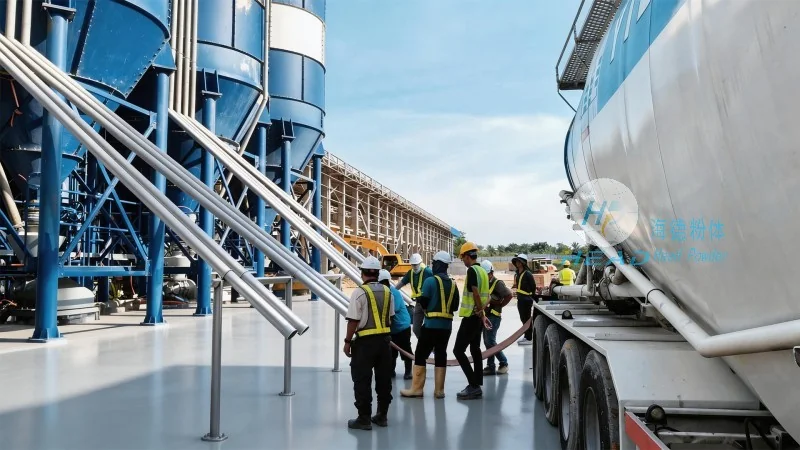
Applications and Benefits of Dry Denitration Systems
Dry denitration systems are widely used in various industrial sectors, including power generation, cement production, and chemical manufacturing. These systems offer several benefits over wet systems, including lower water consumption, reduced sludge generation, and lower capital and operational costs. The dry process also allows for easier integration with existing flue gas treatment infrastructure, making it a practical solution for retrofitting older plants. Additionally, the compact design of dry systems enables them to be installed in confined spaces, which is advantageous for facilities with limited installation area.
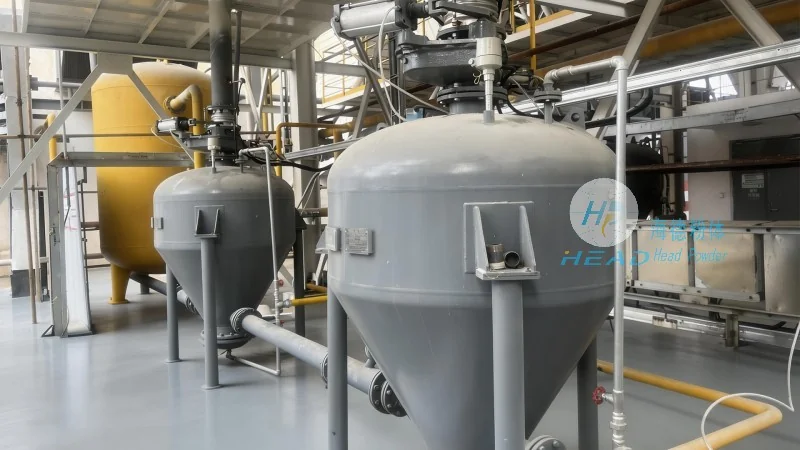
HeadPowder Engineering's Expertise in Dry Denitration Systems
Shandong HeadPowder Engineering Co., Ltd. specializes in the design, manufacturing, and installation of high-quality dry denitration systems. With years of experience in the environmental engineering industry, our team of experts understands the unique challenges faced by industrial clients and provides tailored solutions to meet their specific needs. Our systems are designed to comply with the latest environmental regulations and are built with durable materials to ensure long-term performance and reliability. We offer comprehensive after-sales support, including maintenance and troubleshooting services, to ensure our clients achieve optimal performance from their denitration systems.
Conclusion
In conclusion, the dry denitration system is a vital technology for reducing nitrogen oxide emissions and improving air quality. Its design principles, which focus on efficient reagent-gas contact and optimal operating conditions, enable high NOx removal rates. By choosing a reliable provider like Shandong HeadPowder Engineering Co., Ltd., industrial facilities can ensure compliance with environmental standards while maintaining operational efficiency. Our expertise in dry denitration systems positions us as a trusted partner for businesses seeking sustainable and effective air pollution control solutions.