

Principle of Epoxy Resin Pneumatic Conveying System
Understanding the fundamental principles of an epoxy resin pneumatic conveying system is crucial for optimizing material handling processes in industrial applications. This system utilizes air or gas to transport solid particles, such as epoxy resin powders, through a pipeline network. The core mechanism involves creating a pressure differential that propels the material from the source to the destination, ensuring efficient and controlled movement.

Key Components and Operational Mechanics
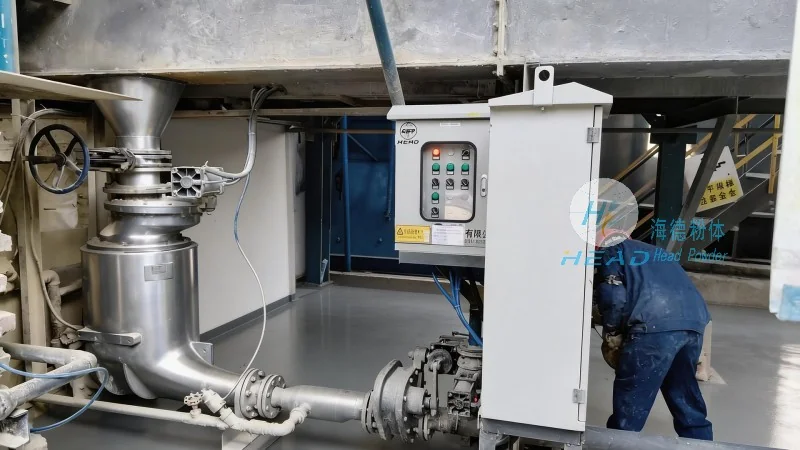
The epoxy resin pneumatic conveying system comprises several critical components, each playing a vital role in the overall functionality. The main elements include the material hopper, which holds the epoxy resin; the air compressor or blower, responsible for generating the necessary airflow; the conveying line, typically made of stainless steel or other corrosion-resistant materials to handle the resin's chemical properties; and the control valves and regulators that manage the pressure and flow rates. The system operates by introducing air into the conveying line, creating a low-pressure zone that draws the epoxy resin particles into the stream. As the air and resin mixture travels through the pipeline, the particles are suspended and transported to the desired location, such as a mixing or processing unit.
Advantages of Pneumatic Conveying for Epoxy Resins
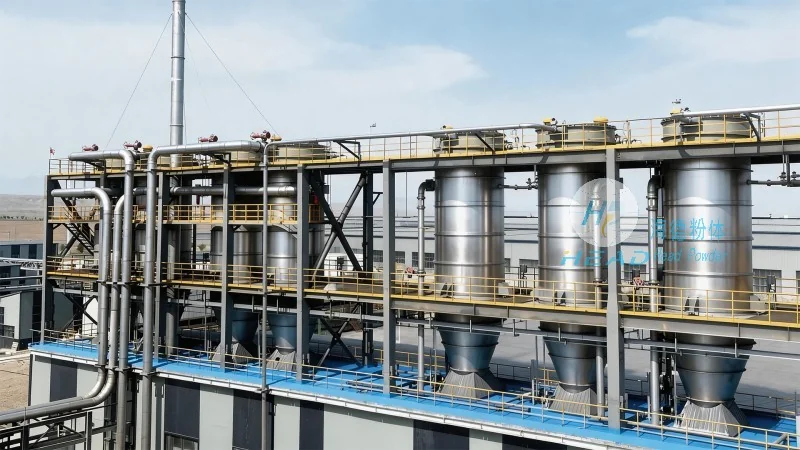
Compared to traditional mechanical conveying methods, pneumatic systems offer several advantages when handling epoxy resin. These include reduced product contamination due to enclosed transport, improved safety by eliminating manual handling of powders, and enhanced process control through precise airflow management. The system also minimizes material degradation, as the resin is not subjected to friction or impact that can occur in mechanical conveyors. Additionally, pneumatic conveying allows for flexible routing of the pipeline, enabling the integration of the system into existing industrial layouts without extensive modifications.
Application Scenarios in Industrial Settings
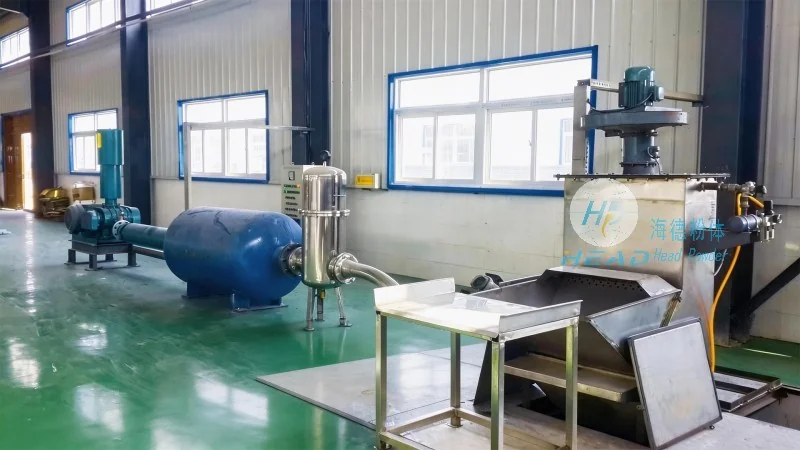
Epoxy resin pneumatic conveying systems are widely used in various industrial sectors, including manufacturing, construction, and chemical processing. In the manufacturing industry, these systems are employed to transport epoxy powders to mixing equipment, ensuring consistent material flow for batch production. The construction sector utilizes them for delivering epoxy resins to on-site mixing stations, facilitating the application of epoxy-based adhesives or coatings. In chemical processing plants, the systems help in transferring epoxy resin from storage to processing units, maintaining the purity and quality of the material throughout the process. The adaptability of the system to different production scales and environments makes it a preferred choice for many industries.