

Principle of Dry Mix Mortar Pneumatic Conveying System
Understanding the fundamental principles of dry mix mortar pneumatic conveying systems is crucial for optimizing material handling in construction and industrial applications. These systems utilize air pressure to transport dry powders like mortar components efficiently and reliably. The core technology involves creating a flow of air that carries the dry mix material through pipelines, ensuring consistent delivery to the target location.
Key Components and Their Functions
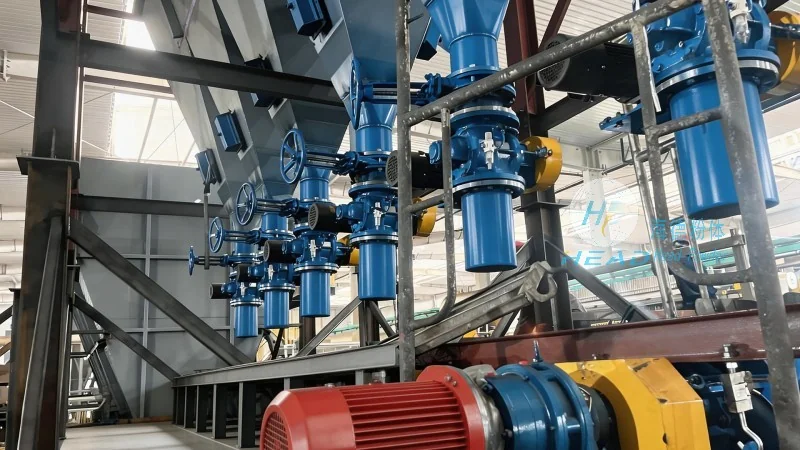
The dry mix mortar pneumatic conveying system consists of several critical components, each playing a vital role in the overall operation. The primary components include the material hopper, which stores the dry mix ingredients; the air compressor or blower, responsible for generating the necessary air pressure; the conveying line, typically made of metal or plastic pipes, that transports the material; and the control system, which regulates the flow and pressure to maintain optimal performance. Additionally, the system may include a dust collector to manage airborne particles and a discharge valve to control the release of the material at the destination.
How the Pneumatic Conveying Process Works
The operation of a dry mix mortar pneumatic conveying system begins with the loading of dry mortar components into the material hopper. As the air compressor starts, it generates a high-pressure air stream that enters the conveying line. The air flow creates a vacuum or pressure differential that draws the dry mix material from the hopper into the pipeline. The material is then carried through the system by the moving air, traveling to the desired destination, such as a mixing plant or storage silo. The process ensures that the dry mix is transported without the need for mechanical components like belts or buckets, reducing wear and maintenance costs.
Advantages of Using Pneumatic Conveying for Dry Mix Mortar
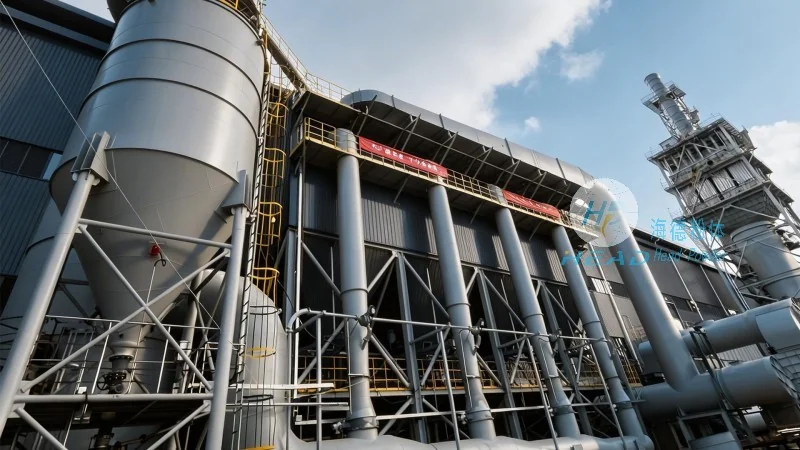
Implementing a pneumatic conveying system for dry mix mortar offers numerous advantages over traditional methods. One of the most significant benefits is the ability to transport materials over long distances with minimal loss or degradation. The enclosed system prevents contamination from external elements and maintains the quality of the dry mix. Additionally, pneumatic conveying systems are highly efficient in terms of energy consumption, as they can move large volumes of material with relatively low power input. The technology also reduces labor costs by automating the material handling process, minimizing the need for manual loading and unloading. Furthermore, the system is flexible, allowing for easy integration with existing production lines and the ability to adjust the flow rate based on production needs.
Applications in the Construction Industry
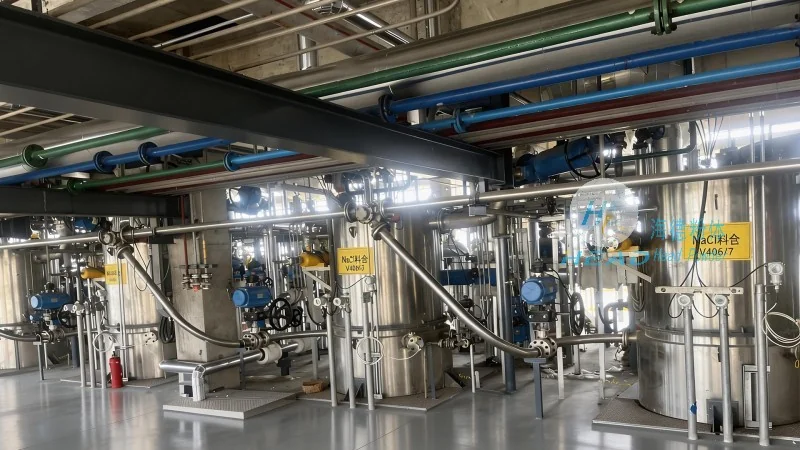
Dry mix mortar pneumatic conveying systems are widely used in the construction industry for various applications. They are commonly employed in the transportation of dry mix components from storage facilities to mixing plants, ensuring a steady supply of materials for concrete and mortar production. The systems are also utilized in large-scale construction projects where the need for rapid and reliable material delivery is critical. For example, in the production of self-leveling floors or tile adhesives, pneumatic conveying systems can efficiently transport the dry mix to the mixing equipment, enhancing productivity and reducing downtime. Additionally, these systems are suitable for transporting materials in remote or hard-to-reach areas, where traditional conveyors may not be feasible.
Customization and Scalability of the Systems
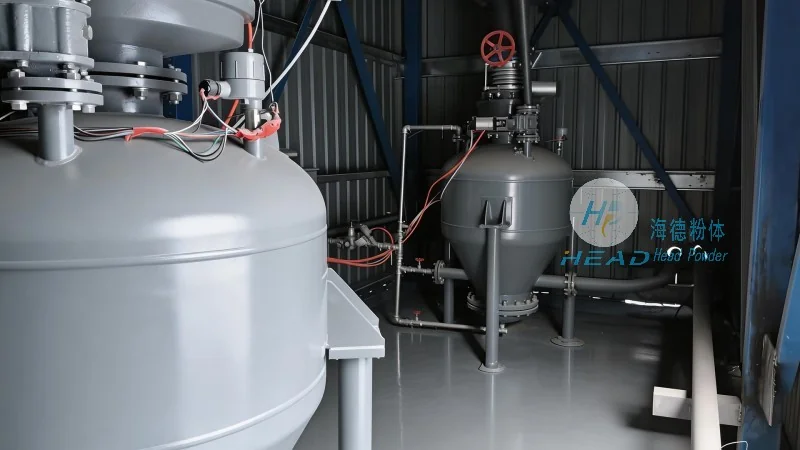
Shandong HeadPowder Engineering Co., Ltd. specializes in designing and manufacturing customized pneumatic conveying systems tailored to the specific needs of clients. The company, known as HeadPowder, offers a range of solutions that can be scaled to accommodate varying production capacities and material types. Whether for small-scale projects or large industrial operations, the systems can be adjusted to handle different flow rates and distances. The engineering team at HeadPowder works closely with clients to understand their operational requirements and develop a system that maximizes efficiency and cost-effectiveness. The company’s expertise in material handling and pneumatic technology ensures that the systems are built to withstand the demands of the construction industry, providing long-term reliability and performance.
Maintenance and Operational Considerations
Proper maintenance is essential to ensure the longevity and optimal performance of dry mix mortar pneumatic conveying systems. Regular inspection of the air compressor, conveying lines, and control system is necessary to identify and address any potential issues before they escalate. The dust collector should be cleaned regularly to prevent clogging and maintain air flow efficiency. Additionally, the material hopper and discharge valve should be checked for any signs of wear or blockage. Operational considerations include monitoring the pressure and flow rates to ensure they remain within the recommended parameters. By following proper maintenance procedures and adhering to operational guidelines, the system can operate efficiently for extended periods, minimizing downtime and maintenance costs.