

Technical Parameters and Conveying System Process for Quartz Stone
Shandong HeadPowder Engineering Co., Ltd., commonly known as HeadPowder, specializes in the engineering and manufacturing of advanced conveying systems tailored for quartz stone processing. This article provides an in-depth overview of the technical parameters governing quartz stone material handling and the corresponding conveying system processes developed by the company.
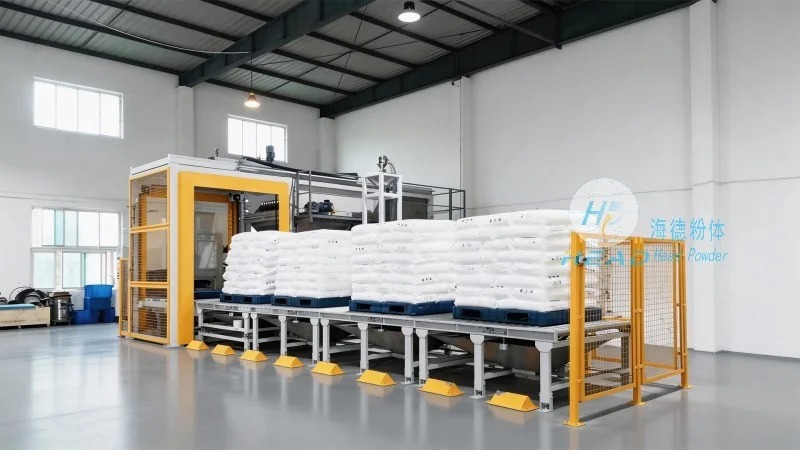
Key Technical Parameters for Quartz Stone Handling
When designing conveying systems for quartz stone, several critical technical parameters must be considered to ensure optimal performance and efficiency. These parameters include particle size distribution, bulk density, moisture content, and abrasiveness of the quartz stone. The particle size distribution directly impacts the selection of conveyor type, such as belt conveyors for larger particles or screw conveyors for finer powders. Bulk density affects the load capacity and power requirements of the system, while moisture content influences material flow characteristics and potential sticking issues. Abrasiveness of quartz stone necessitates the use of high-wear-resistant components, such as hardened steel or special polymer materials, to extend the service life of the conveying equipment.
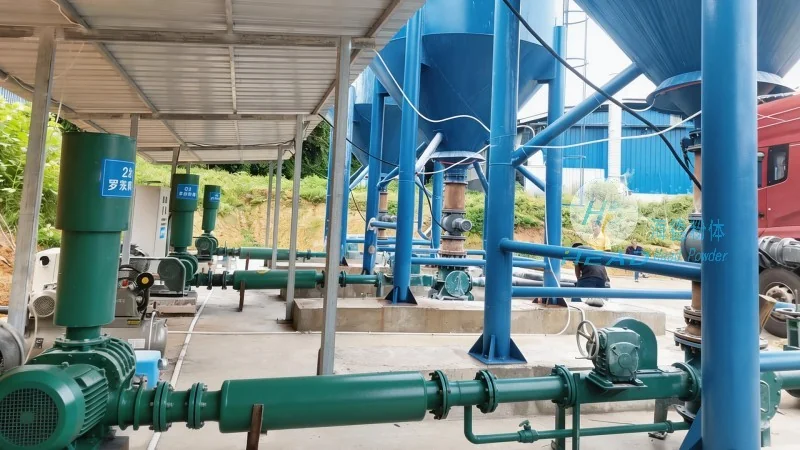
Conveying System Process Overview
The conveying system process for quartz stone typically involves several stages, starting from material intake to final discharge. The first stage is material feeding, where quartz stone is introduced into the system, often through hoppers or feeders that control the flow rate. This is followed by the primary conveying stage, which may use belt conveyors for horizontal or slight incline transport, or screw conveyors for vertical lifting. For longer distances or complex layouts, multiple conveyor sections may be integrated, connected by transfer points or transfer chutes to ensure smooth material transfer. The final stage involves material discharge, where the quartz stone is delivered to the next processing unit or storage area. Throughout the process, the system incorporates control mechanisms, such as variable speed drives and level sensors, to maintain consistent flow and prevent overloading or blockages.
System Components and Design Considerations
HeadPowder's conveying systems for quartz stone are composed of several key components, each designed to meet the specific demands of the material. The hopper and feeder system is crucial for uniform material feeding, with adjustable gates and vibrators to prevent material bridging and ensure steady flow. The conveyor itself, whether belt or screw, is constructed with high-strength materials and reinforced structures to withstand the abrasive nature of quartz stone. For belt conveyors, heavy-duty rubber or synthetic belts are used, often with metal or plastic idlers to support the load and reduce wear. Screw conveyors feature helical flights that move material along the shaft, with the pitch and diameter of the screw optimized for the particle size and bulk density of the quartz stone. Additionally, the system includes protective features like impact sections and wear liners to minimize damage from material impact and abrasion.
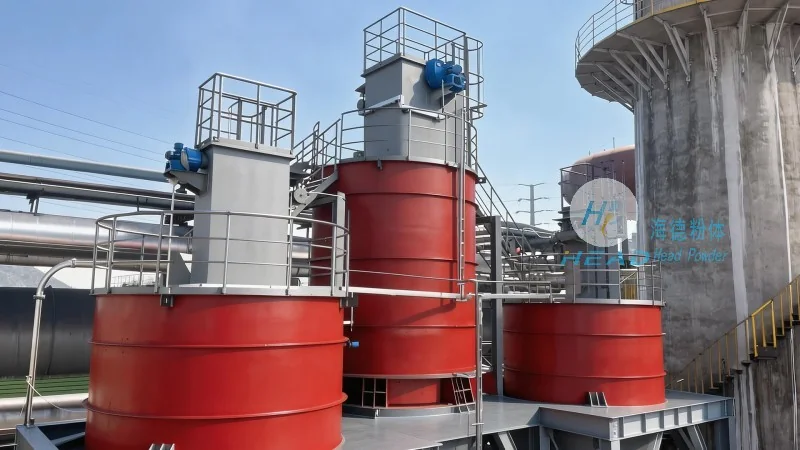
Performance Optimization and Maintenance
To ensure the long-term reliability and efficiency of quartz stone conveying systems, regular performance optimization and maintenance are essential. HeadPowder recommends periodic inspection of conveyor components, including belts, screws, and idlers, to detect wear and tear early. Lubrication of moving parts, such as bearings and drives, is critical to reduce friction and extend component life. Cleaning of the system, particularly the hopper and discharge area, prevents material buildup and maintains consistent flow. The use of monitoring systems, such as load cells and temperature sensors, allows for real-time performance tracking and early detection of issues. By adhering to these maintenance practices, the conveying system can achieve high throughput, low energy consumption, and minimal downtime, ensuring consistent quality in quartz stone processing.