

Technical Parameters and Conveying System Process for Silage
For agricultural operations focused on silage production, understanding the technical parameters and efficient conveyance systems is crucial for optimizing feed quality and operational efficiency. This article provides an overview of key technical specifications and the process involved in the design and implementation of silage conveying systems, presented by Shandong HeadPowder Engineering Co., Ltd., a leading provider in the field.
Key Technical Parameters for Silage Conveying Systems
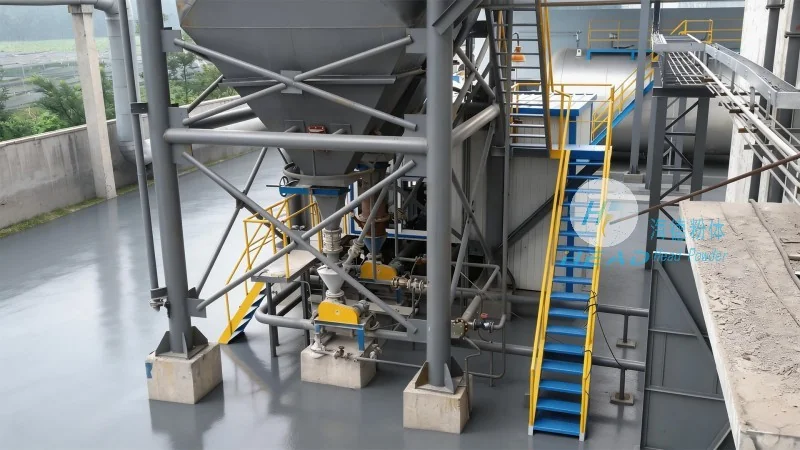
The performance of a silage conveying system is determined by several critical technical parameters that ensure the integrity and quality of the feed. These parameters include, but are not limited to, the capacity of the conveyor, the material flow rate, the speed of operation, and the structural design to handle varying moisture content and particle sizes. The conveyor's capacity is typically measured in tons per hour and must align with the farm's daily feed requirements. Material flow rate is influenced by the type of silage (e.g., grass, corn, or mixed forage) and its consistency, which affects the system's throughput. Operational speed is optimized to balance efficiency with the need to prevent spoilage or degradation of the silage during transport. Structural design considerations involve the use of durable materials, such as stainless steel or corrosion-resistant alloys, to withstand the acidic environment of fermented silage and the mechanical stresses from continuous operation.
Conveying System Process Overview
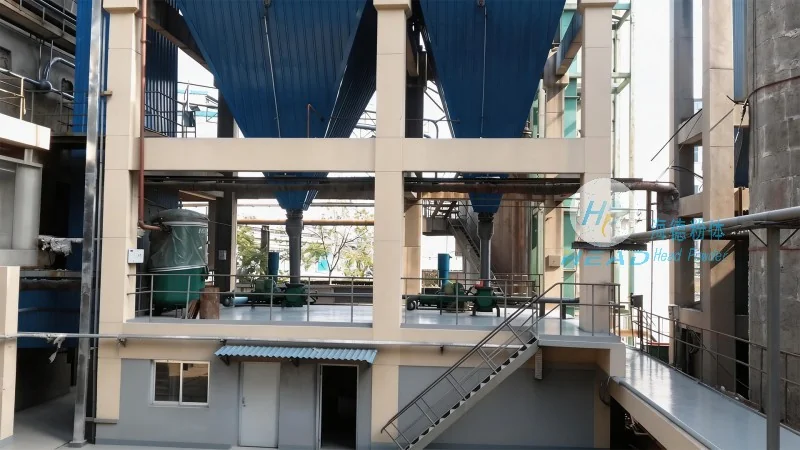
The process of silage conveyance begins with the collection of forage at the field or storage facility. The forage is then processed through a chopping or grinding unit to achieve the desired particle size, which is essential for uniform fermentation and subsequent feeding. The processed silage is subsequently transferred to the conveying system, which may include vertical or horizontal conveyors, depending on the layout of the storage and feeding areas. Vertical conveyors are commonly used for vertical storage structures, such as silos, to move silage from the ground level to the top of the storage vessel. Horizontal conveyors, on the other hand, are used to transport silage across horizontal distances, connecting different storage units or feeding points. The system may also incorporate components like feeders, which regulate the flow of silage to feeding equipment or livestock, ensuring consistent and controlled delivery. The entire process is designed to minimize material loss, maintain moisture content, and prevent contamination, all of which are critical for preserving the nutritional value of the silage.
System Integration and Customization
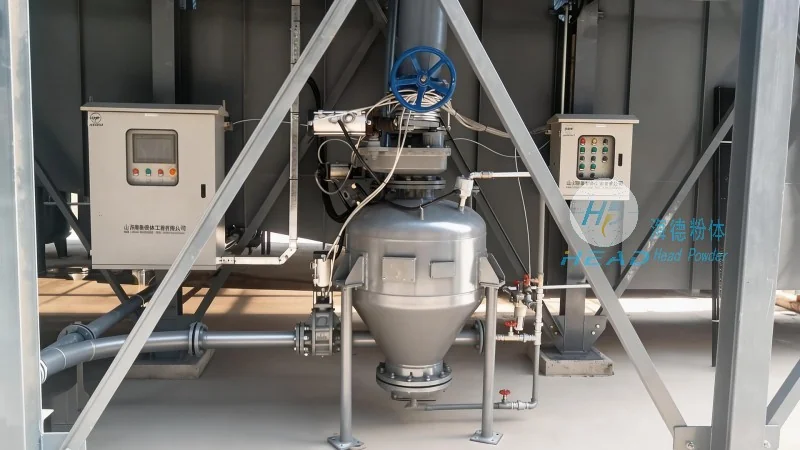
Shandong HeadPowder Engineering Co., Ltd. specializes in the integration and customization of silage conveying systems to meet the specific needs of agricultural operations. The company's approach involves a thorough analysis of the client's farm layout, feed requirements, and storage capacity to design a tailored solution. This includes selecting the appropriate conveyor type, determining the optimal capacity and speed, and ensuring compatibility with existing infrastructure. Customization may also involve the addition of features such as automatic level sensors, which monitor the silage level in storage vessels and trigger the conveyor system to maintain consistent feed levels. Additionally, the company offers maintenance and support services to ensure the long-term reliability and efficiency of the conveying system, addressing any operational challenges that may arise over time.
Conclusion
In conclusion, the technical parameters and process of silage conveying systems play a vital role in the success of agricultural feed management. By understanding and optimizing these aspects, farmers can enhance the quality of their silage, reduce waste, and improve overall operational efficiency. Shandong HeadPowder Engineering Co., Ltd. provides comprehensive solutions and expertise to help agricultural operations achieve these goals, ensuring that their silage conveying systems are both effective and reliable.