

Positive Pressure and Negative Pressure Conveying of Calcium Carbide Slag: A Comparative Analysis of
When it comes to the handling and transportation of calcium carbide slag, selecting the right pneumatic conveying method is crucial for efficiency, cost-effectiveness, and operational safety. Two primary approaches dominate the industry: positive pressure conveying and negative pressure conveying. This analysis, provided by Shandong HeadPowder Engineering Co., Ltd. (headpowder), delves into the characteristics, advantages, and limitations of each method, providing a comprehensive comparison to help stakeholders make informed decisions.
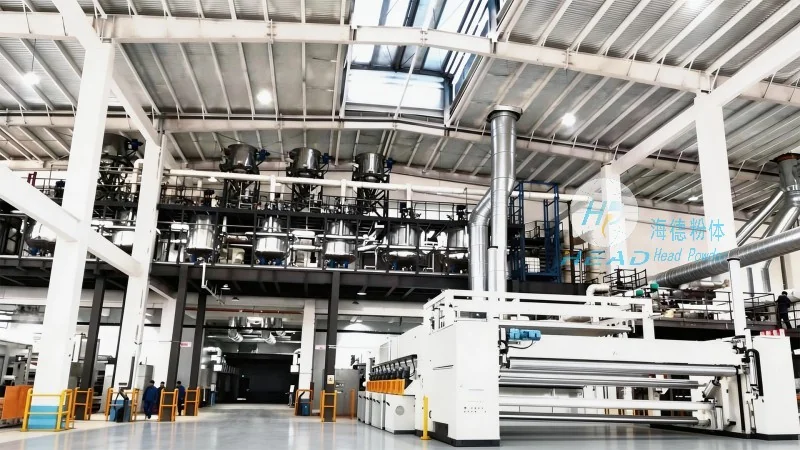
Positive Pressure Conveying: The Advantages and Applications
Positive pressure conveying, also known as pressure pneumatic conveying, operates by forcing air or a gas mixture through the material to be transported. This method is widely used in the calcium carbide slag industry due to its ability to handle abrasive and corrosive materials effectively. The system typically consists of a positive pressure blower, a hopper, a pipeline, and a discharge point. The pressure created by the blower ensures that the material is continuously moved through the pipeline, preventing blockages and ensuring a steady flow.
A key advantage of positive pressure conveying is its high conveying capacity and ability to transport materials over long distances. It can handle high concentrations of solids, making it suitable for bulk material transport. Additionally, this method is relatively simple to install and maintain, with fewer components compared to negative pressure systems. However, it requires robust equipment to withstand the high pressures involved, and the system can be more expensive to set up initially.
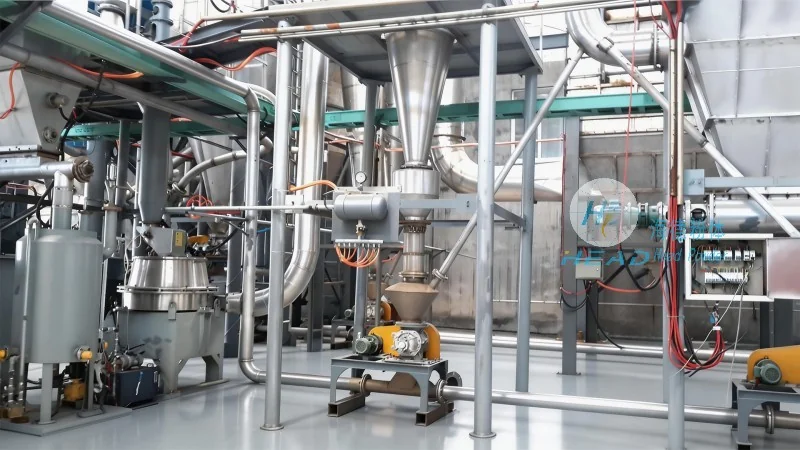
Negative Pressure Conveying: How It Works and Its Benefits
Negative pressure conveying, or vacuum pneumatic conveying, operates by creating a vacuum in the pipeline to draw material from the source to the destination. This method is often preferred for applications where the material is sensitive to pressure or where the distance is shorter. The system includes a vacuum pump, a hopper, a pipeline, and a filter to capture fine particles.
One of the main benefits of negative pressure conveying is its ability to handle fine or dusty materials without causing excessive wear on the equipment. It is also more energy-efficient for short-distance transport, as the vacuum pump operates at lower pressures compared to the high-pressure blowers used in positive pressure systems. However, negative pressure conveying has limitations in terms of conveying distance and material capacity. It is generally less effective for long-distance or high-volume transport, and the system can be more complex to maintain due to the need for filters and vacuum pumps.
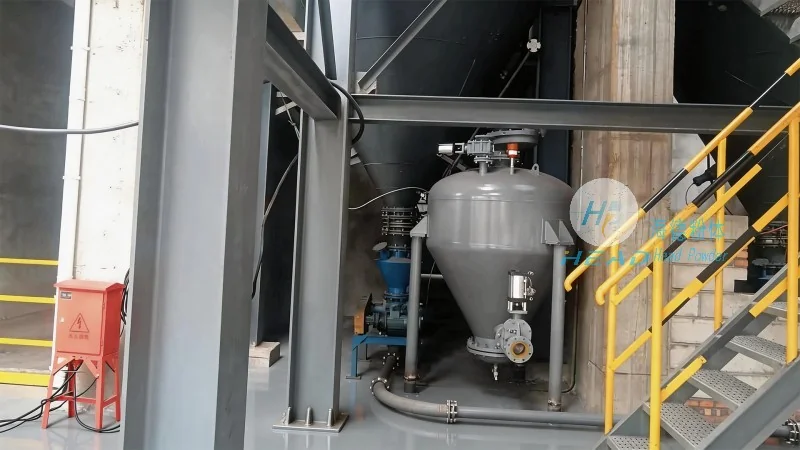
Comparative Analysis: Positive vs. Negative Pressure Conveying
When comparing positive and negative pressure conveying for calcium carbide slag, several factors come into play. The choice between the two methods depends on the specific requirements of the application, including the distance to be covered, the volume of material to be transported, and the characteristics of the material itself.
For long-distance and high-volume transport, positive pressure conveying is often the preferred choice due to its higher capacity and ability to handle abrasive materials. It is particularly suitable for industrial settings where bulk material handling is required, such as in cement plants or steel mills. On the other hand, negative pressure conveying is more suitable for short-distance transport of fine or sensitive materials, where the risk of contamination or material degradation is a concern.
Cost is another critical factor. Positive pressure systems tend to have higher initial costs due to the need for high-pressure blowers and robust pipelines. However, their lower operational costs over time, especially for high-volume transport, make them economically viable. Negative pressure systems, while having lower initial costs, may incur higher maintenance expenses due to the need for frequent filter changes and vacuum pump upkeep.
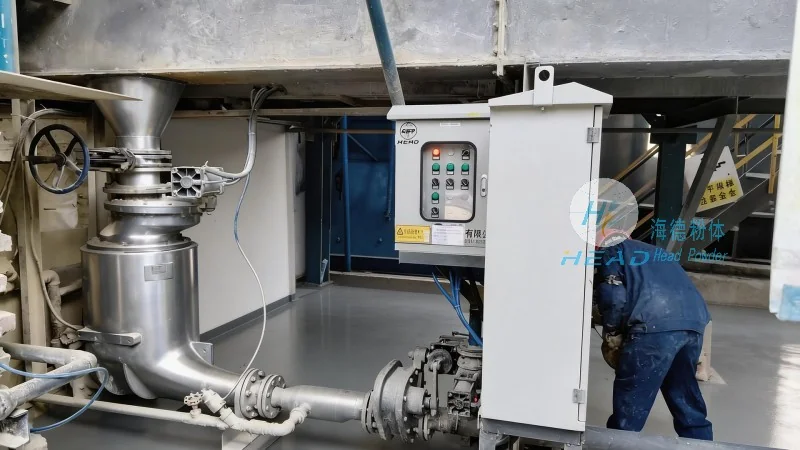
Operational safety is also a key consideration. Positive pressure systems are generally considered safer as they do not create a vacuum that could lead to the inhalation of fine particles. However, they require proper ventilation to prevent the buildup of dust and fumes. Negative pressure systems, while safer in terms of dust exposure, may pose a risk of vacuum leaks or equipment failure, which could lead to material loss or contamination.
Conclusion: Selecting the Right Conveying Method
Ultimately, the choice between positive and negative pressure conveying for calcium carbide slag depends on a careful evaluation of the project's specific needs. Positive pressure conveying offers higher capacity and efficiency for long-distance transport, while negative pressure conveying provides a safer and more energy-efficient option for short-distance or fine material transport. By understanding the advantages and limitations of each method, stakeholders can select the most appropriate pneumatic conveying system to ensure optimal performance, cost-effectiveness, and operational safety.