

Positive Pressure and Negative Pressure Conveying of Coal Fly Ash: A Comparative Analysis of Two Pne
Coal fly ash, a byproduct of coal combustion, is a valuable material used in construction, cement production, and other industrial applications. Efficient and reliable transportation of this fine powder is crucial for the smooth operation of processing facilities. Pneumatic conveying systems offer a solution by transporting the material through a pipeline using air pressure. Two primary methods are widely used: positive pressure conveying and negative pressure conveying. This article provides a detailed comparison of these two approaches, highlighting their characteristics, advantages, and applications.
Company Profile: Shandong HeadPowder Engineering Co., Ltd.
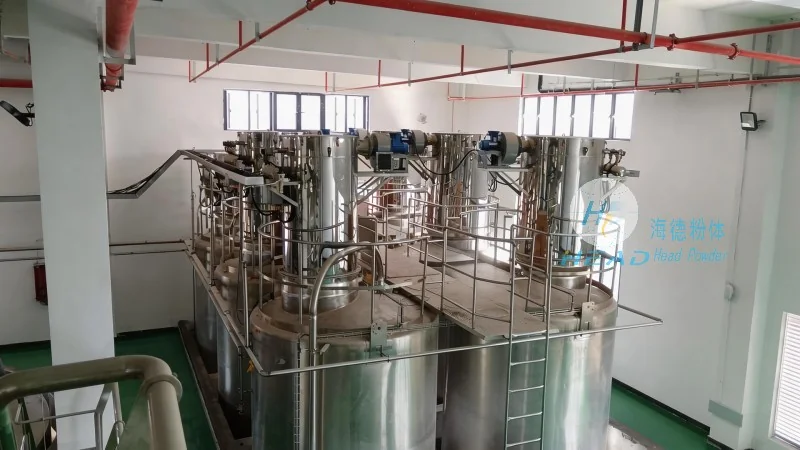
Shandong HeadPowder Engineering Co., Ltd., a leading provider of engineering solutions in the field of material handling, specializes in the design, manufacturing, and installation of pneumatic conveying systems. With a strong presence in China, particularly in Shandong province, the company has extensive experience in handling various bulk materials, including coal fly ash. Their expertise ensures that clients receive customized solutions tailored to specific operational requirements, enhancing efficiency and reducing operational costs.
Positive Pressure Conveying: Working Principle and Applications
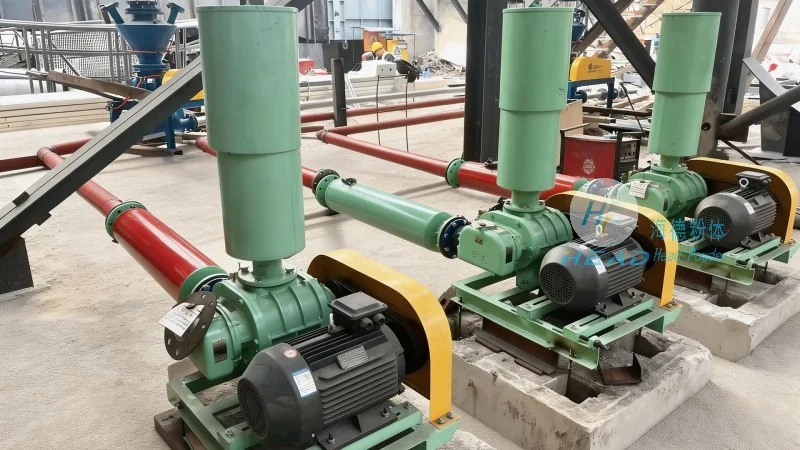
Positive pressure conveying, also known as pressure pneumatic conveying, operates by generating air pressure within the conveying pipeline. The system uses a positive displacement blower or a rotary lobe blower to create a pressure differential, pushing the material through the pipeline. This method is particularly effective for conveying materials over long distances and through complex piping networks. The high pressure ensures that the material is transported at a consistent velocity, minimizing the risk of blockages and ensuring reliable delivery. Positive pressure systems are commonly used in industrial settings where the material needs to be transported from a central location to multiple destinations or over significant distances.

In the context of coal fly ash, positive pressure conveying is often preferred for its ability to handle high volumes of fine particles. The consistent air pressure maintains the flow of the material, preventing segregation and ensuring uniform distribution. This method is especially suitable for applications where the ash is to be transported to a processing plant or a storage facility. The robust design of positive pressure systems also allows for the handling of abrasive materials, making it a reliable choice for long-term operation.
Negative Pressure Conveying: Working Principle and Applications
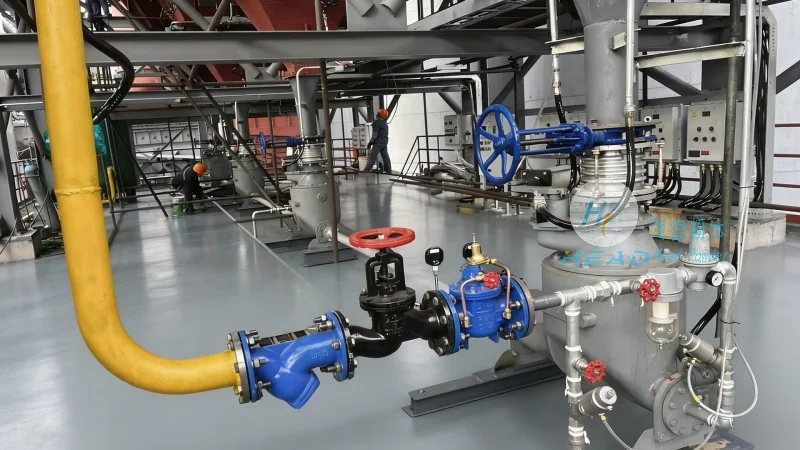
Negative pressure conveying, or vacuum pneumatic conveying, operates by creating a vacuum within the pipeline. The system uses a vacuum pump to draw the material into the pipeline and transport it to the destination. Unlike positive pressure systems, negative pressure systems do not require high-pressure air, making them more energy-efficient for shorter distances. This method is ideal for conveying materials from multiple sources to a single collection point, such as a silo or a processing unit. The vacuum created ensures that the material is drawn into the pipeline without the need for additional pressure, reducing the risk of dust emissions and improving safety.
For coal fly ash, negative pressure conveying is often used in applications where the material is to be collected from various points and transported to a central processing facility. The low-pressure operation makes it suitable for handling materials that are sensitive to high air pressure, such as fine powders that could be damaged or agglomerated under high pressure. The system is also effective in environments where dust control is a priority, as the vacuum helps to contain the material within the pipeline, minimizing emissions. However, negative pressure systems may be less efficient for long-distance transport due to the limitations of vacuum pressure.
Comparison of Positive and Negative Pressure Conveying for Coal Fly Ash
When comparing positive and negative pressure conveying for coal fly ash, several factors need to be considered. The choice between the two methods depends on the specific application, distance, and material characteristics. Positive pressure systems are generally more suitable for long-distance transport and high-volume applications, offering reliability and consistent performance. They are capable of handling abrasive and high-density materials without significant wear and tear. On the other hand, negative pressure systems are more energy-efficient for shorter distances and are ideal for applications requiring dust control and material collection from multiple sources.
Cost is another critical factor. Positive pressure systems typically require higher initial investment due to the need for high-pressure blowers and robust piping. However, their efficiency in long-distance transport can offset the initial costs over time. Negative pressure systems, while lower in initial cost, may have higher operational costs due to the energy consumption of vacuum pumps. Maintenance is also a consideration; positive pressure systems may require more frequent maintenance of high-pressure components, whereas negative pressure systems focus on vacuum pump maintenance.
Operational flexibility is another aspect to consider. Positive pressure systems can be easily modified to handle different materials by adjusting the air pressure and pipeline design. Negative pressure systems, however, are more limited in terms of material handling, as the vacuum pressure restricts the ability to transport abrasive or high-density materials over long distances. Safety is also a key consideration. Positive pressure systems may pose a risk of pressure-related accidents if not properly maintained, while negative pressure systems can help contain dust and reduce the risk of inhalation hazards.
Conclusion: Choosing the Right Conveying Method for Coal Fly Ash
Both positive and negative pressure conveying methods have their unique advantages and are suitable for different applications in the handling of coal fly ash. The choice between the two depends on factors such as distance, material volume, operational requirements, and cost considerations. Positive pressure conveying is ideal for long-distance, high-volume transport, offering reliability and consistent performance. Negative pressure conveying, on the other hand, is more energy-efficient for shorter distances and excels in dust control and material collection from multiple sources.
Shandong HeadPowder Engineering Co., Ltd. provides comprehensive solutions for both positive and negative pressure conveying systems, ensuring that clients can select the most appropriate method based on their specific needs. With their expertise in material handling and engineering, the company helps clients optimize their operations, reduce costs, and enhance the efficiency of coal fly ash transportation. By understanding the characteristics and applications of each method, industrial facilities can make informed decisions to improve their processing capabilities and overall productivity.