

Comparative Analysis of Positive Pressure and Negative Pressure Conveying for Titanium Dioxide
When it comes to handling and transporting titanium dioxide, a critical choice for industrial operations involves selecting the appropriate air-pressure conveying method. This article provides a detailed comparison between positive pressure and negative pressure conveying systems, focusing on their applications, advantages, and limitations in the context of titanium dioxide processing. The discussion is presented by Shandong HeadPowder Engineering Co., Ltd., a leading provider of material handling solutions for the chemical industry.
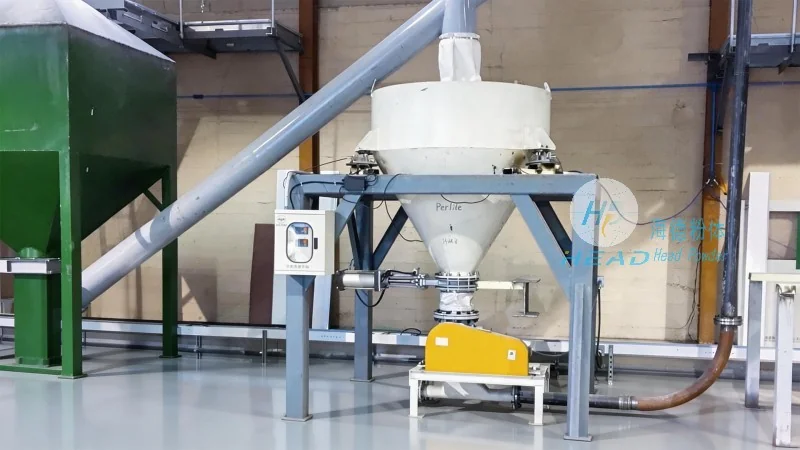
Understanding Positive Pressure Conveying
Positive pressure conveying, also known as pressure air conveying, operates by generating a higher pressure within the conveying line compared to the ambient environment. This method is commonly used for transporting bulk materials like titanium dioxide from a storage silo or hopper to processing equipment. The system typically includes a blower or compressor that supplies compressed air to the conveying line, creating a pressure differential that drives the material forward.
One of the key advantages of positive pressure conveying is its ability to handle materials with high moisture content or those that are prone to caking. The higher pressure helps to break up agglomerates and maintain a consistent flow rate. Additionally, this method is effective for conveying materials over longer distances and at higher flow rates, making it suitable for large-scale production facilities. However, it is important to note that positive pressure systems require robust sealing and filtration to prevent dust leakage and maintain air quality standards.
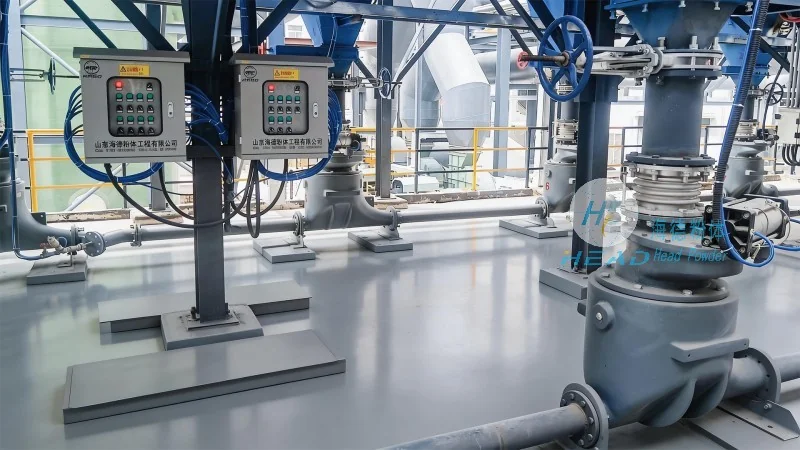
Exploring Negative Pressure Conveying
Negative pressure conveying, or vacuum air conveying, works by creating a lower pressure inside the conveying line than the surrounding atmosphere. This creates a suction effect that draws the material from the source into the system. Unlike positive pressure, negative pressure systems do not use high-pressure air to push material, but rather rely on a vacuum pump to create the necessary suction force.
A significant benefit of negative pressure conveying is its lower energy consumption compared to positive pressure systems, as it does not require high-pressure air compression. This makes it more energy-efficient and cost-effective for certain applications. The method is also well-suited for handling materials that are sensitive to high pressure or temperature, as the conveying process is gentler. However, negative pressure systems have limitations in terms of conveying distance and material flow rate, as the suction force diminishes over longer distances and with larger particle sizes.
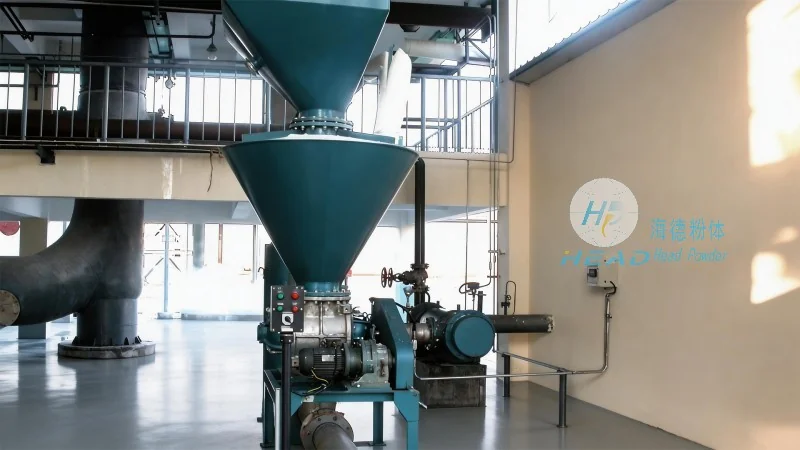
Comparative Analysis: Key Differences and Performance Metrics
When evaluating the two methods for titanium dioxide conveying, several factors must be considered to determine the most suitable option. The choice often depends on the specific characteristics of the material, the distance to be conveyed, and the operational requirements of the facility.
From an operational perspective, positive pressure conveying generally offers higher conveying rates and can handle longer distances more effectively. This makes it ideal for large-scale production lines where high throughput is required. In contrast, negative pressure conveying is better suited for shorter conveying distances and for materials that are more sensitive to handling conditions. The energy consumption is a critical factor, with negative pressure systems typically consuming less energy due to the absence of high-pressure air compression.
From a maintenance and safety standpoint, positive pressure systems may require more frequent maintenance of seals and filters to prevent dust leakage, as the high pressure can lead to increased wear and tear. Negative pressure systems, while generally more energy-efficient, may require more robust vacuum pumps and filtration systems to ensure adequate suction and air quality. The choice also impacts the overall system cost, with positive pressure systems often having higher initial investment due to the need for high-pressure blowers, while negative pressure systems may have lower upfront costs but potentially higher operational costs over time.
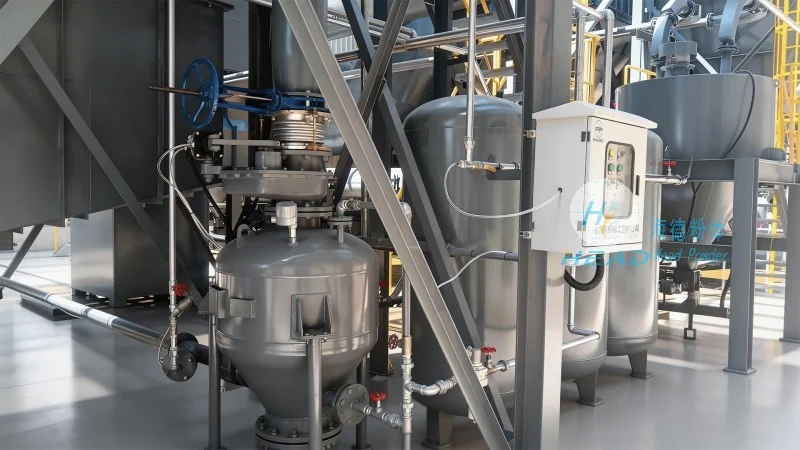
Applications in Titanium Dioxide Processing
Both positive and negative pressure conveying methods find applications in titanium dioxide processing, depending on the specific stage of the production process. For example, positive pressure conveying is commonly used in the initial stages of material handling, such as transporting titanium dioxide from storage silos to grinding and milling equipment. The high conveying rates and ability to handle longer distances make it suitable for these operations. Negative pressure conveying, on the other hand, may be used in downstream processes where the material is more sensitive, such as during the final blending or packaging stages.
Shandong HeadPowder Engineering Co., Ltd. specializes in designing and implementing customized air-pressure conveying systems tailored to the unique needs of titanium dioxide manufacturers. The company’s expertise lies in selecting the appropriate conveying method based on the material properties, operational requirements, and cost considerations of each client. By leveraging both positive and negative pressure technologies, HeadPowder can provide comprehensive solutions that optimize material handling efficiency and reduce operational costs.