

Technical Analysis of Monocrystalline Silicon Pneumatic Conveying Systems: Comparison of Positive Pr
Monocrystalline silicon is a critical material in the semiconductor industry, and efficient material handling is essential for maintaining production efficiency and product quality. Pneumatic conveying systems have become a popular solution for transporting monocrystalline silicon powders due to their ability to handle fine particles and minimize contamination. This article provides a technical analysis of monocrystalline silicon pneumatic conveying systems, focusing on the comparison between positive pressure and negative pressure conveying modes. The analysis is based on the expertise of Shandong HeadPowder Engineering Co., Ltd., a leading provider of material handling solutions in China.
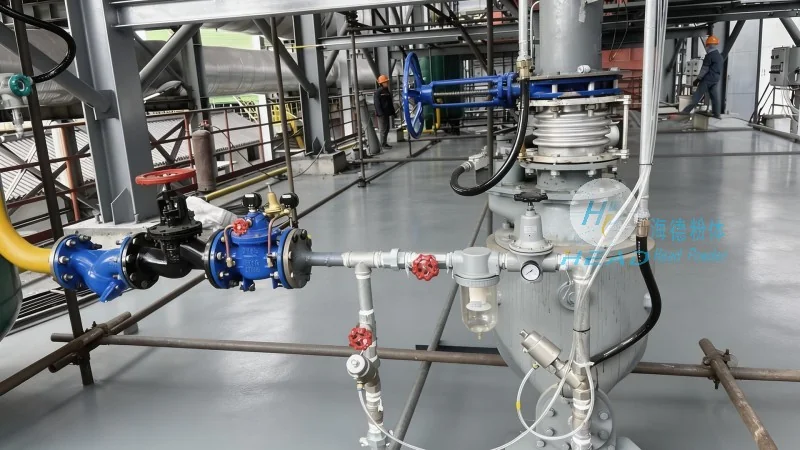
Introduction to Monocrystalline Silicon Pneumatic Conveying
Monocrystalline silicon, also known as single-crystal silicon, is used extensively in solar panels and semiconductor devices. The material is often in powder form during processing, requiring reliable and clean transportation methods. Pneumatic conveying systems use air or other gases to transport bulk materials through a pipeline network. For monocrystalline silicon, which is sensitive to moisture and contaminants, the choice of conveying mode is crucial. Two primary modes are widely used: positive pressure and negative pressure systems. Understanding the technical differences and performance characteristics of each mode is essential for selecting the most suitable system for specific applications.
Company Profile: Shandong HeadPowder Engineering Co., Ltd.
Shandong HeadPowder Engineering Co., Ltd., commonly known as HeadPowder, is a professional manufacturer and supplier of material handling equipment. With its headquarters in Shandong, China, the company specializes in designing and manufacturing pneumatic conveying systems tailored to the needs of various industries, including the semiconductor and solar energy sectors. HeadPowder's expertise lies in providing customized solutions that ensure efficient, safe, and clean material transport, meeting the stringent requirements of modern manufacturing processes.
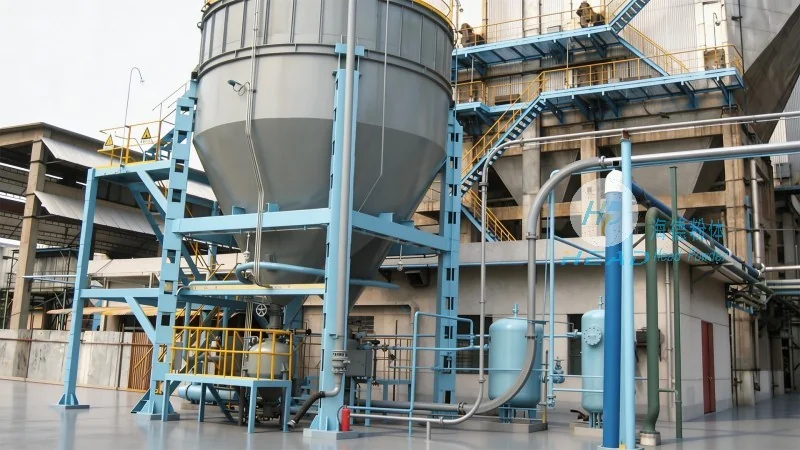
Positive Pressure Pneumatic Conveying Systems
Positive pressure conveying systems operate by blowing air or gas into the conveying line, creating a pressure higher than the ambient air pressure. The material is carried by the air stream through the pipeline. This mode is particularly effective for long-distance and high-capacity conveying of monocrystalline silicon powders. The key advantages of positive pressure systems include high conveying capacity, ability to handle abrasive materials, and reduced risk of material degradation due to low air velocity. However, they require more energy and may pose higher safety risks due to the pressurized air system. The system typically includes a blower, a hopper for material storage, and a series of pipelines with appropriate valves and filters to ensure efficient transport.
Negative Pressure Pneumatic Conveying Systems
Negative pressure conveying systems, also known as vacuum systems, operate by creating a vacuum in the conveying line, drawing material from the source into the pipeline. The material is then transported to the destination under the pressure difference. This mode is suitable for short-distance conveying and applications where dust control is a priority. The advantages of negative pressure systems include lower energy consumption compared to positive pressure systems and reduced noise levels. However, they have lower conveying capacity and are more susceptible to clogging due to the lower air velocity. The system includes a vacuum pump, a collection hopper, and a filter to prevent dust from escaping into the environment.
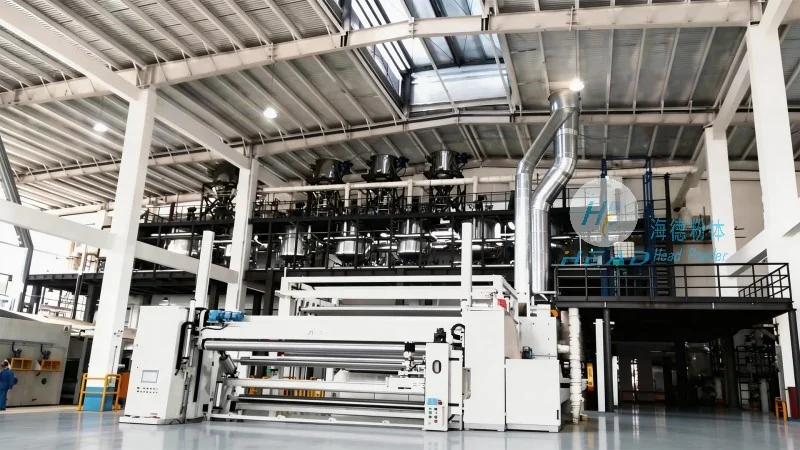
Comparison of Positive and Negative Pressure Systems for Monocrystalline Silicon
When selecting a pneumatic conveying system for monocrystalline silicon, it is essential to compare the performance characteristics of positive and negative pressure modes. The choice depends on factors such as conveying distance, material properties, and operational requirements. Positive pressure systems are generally preferred for long-distance and high-volume applications due to their higher capacity and ability to handle abrasive materials. Negative pressure systems are more suitable for short-distance conveying and applications where dust containment is critical. Both systems require proper maintenance to ensure optimal performance, including regular cleaning of filters and checking for air leaks. The selection of the appropriate conveying mode also impacts the overall cost and energy efficiency of the system.
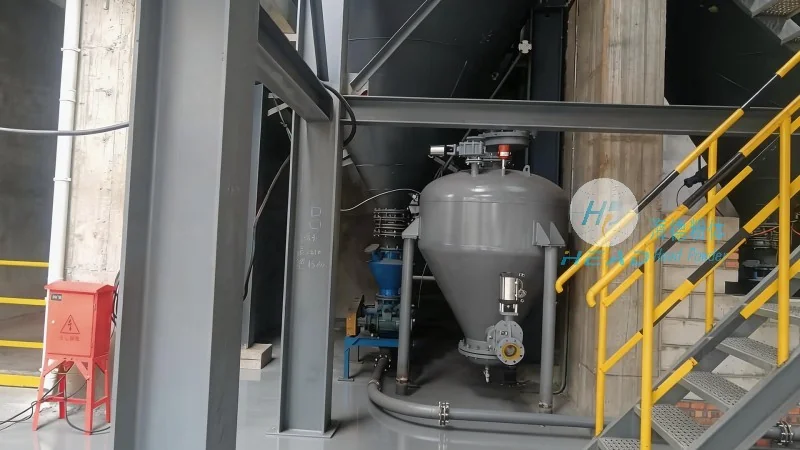
Technical Considerations for Monocrystalline Silicon Pneumatic Conveying
Transporting monocrystalline silicon powders requires special attention to material properties and system design. The material is fine and can be easily agglomerated, which may affect flow characteristics. The conveying system must be designed to prevent material degradation, such as oxidation or moisture absorption. This involves using materials that are compatible with silicon, such as stainless steel or PTFE-coated components, and incorporating drying and filtration systems to maintain material purity. The system also needs to be equipped with safety features to prevent dust explosions, such as explosion-proof blower motors and proper grounding. Proper maintenance and regular inspections are crucial to ensure the longevity and reliability of the conveying system.
Conclusion
In conclusion, the choice between positive pressure and negative pressure pneumatic conveying systems for monocrystalline silicon depends on specific application requirements. Positive pressure systems offer higher capacity and better handling of abrasive materials, while negative pressure systems are more energy-efficient and suitable for short-distance conveying. Shandong HeadPowder Engineering Co., Ltd. provides customized solutions that address the unique challenges of monocrystalline silicon material handling, ensuring efficient and reliable transport. By understanding the technical differences and performance characteristics of each conveying mode, manufacturers can select the most appropriate system to meet their production needs and maintain product quality.