

Preventing Dust Leakage in Pneumatic Conveying Systems for Light Calcium
Light calcium, also known as calcium carbonate, is a widely used industrial material in various sectors such as construction, food, and pharmaceuticals. Its fine powder form, however, poses significant challenges when it comes to handling and transporting. Pneumatic conveying systems have become a preferred method for moving light calcium due to their efficiency and ability to handle bulk materials. Yet, one of the major concerns in such operations is the prevention of dust leakage, which can lead to safety hazards, environmental issues, and operational inefficiencies. This article explores effective strategies and solutions implemented by Shandong HeadPowder Engineering Co., Ltd. to mitigate dust leakage in pneumatic conveying systems during light calcium transport.
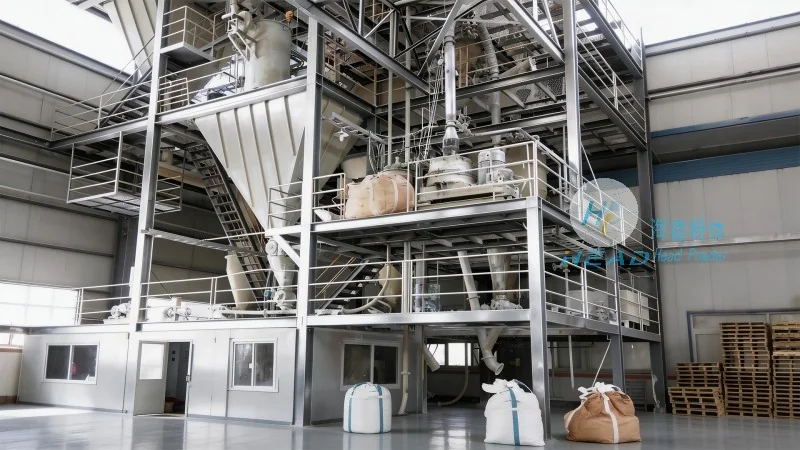
Understanding the Challenges of Light Calcium in Pneumatic Conveying
Light calcium's fine particle size and low bulk density make it highly susceptible to airborne dispersion during transport. Traditional conveying methods often struggle with maintaining a sealed environment, resulting in dust leakage that can contaminate the surrounding air and equipment. The health risks associated with inhaling calcium carbonate dust, while generally low, still necessitate stringent safety measures. Moreover, dust leakage can cause material loss, increase maintenance costs, and affect the overall efficiency of the conveying process. Therefore, designing a robust pneumatic conveying system that effectively contains light calcium is crucial for both operational safety and cost-effectiveness.
Key Factors Influencing Dust Leakage in Pneumatic Conveying Systems
The occurrence of dust leakage in pneumatic conveying systems for light calcium is influenced by several key factors. First, the system's pressure and flow rates play a critical role. High pressure can increase the risk of particle escape, especially at bends, valves, and transfer points. Second, the design of the conveying line, including the type of ductwork and fittings, impacts dust containment. Flexible hoses and joints are common sources of leakage if not properly sealed. Third, the material's properties, such as its dustiness and flowability, directly affect how easily it can become airborne. Light calcium's tendency to form agglomerates can also lead to blockages, causing pressure surges and increased leakage. Lastly, the operational conditions, including temperature and humidity, can influence the material's behavior and the system's performance. Understanding these factors is essential for implementing effective dust control measures.
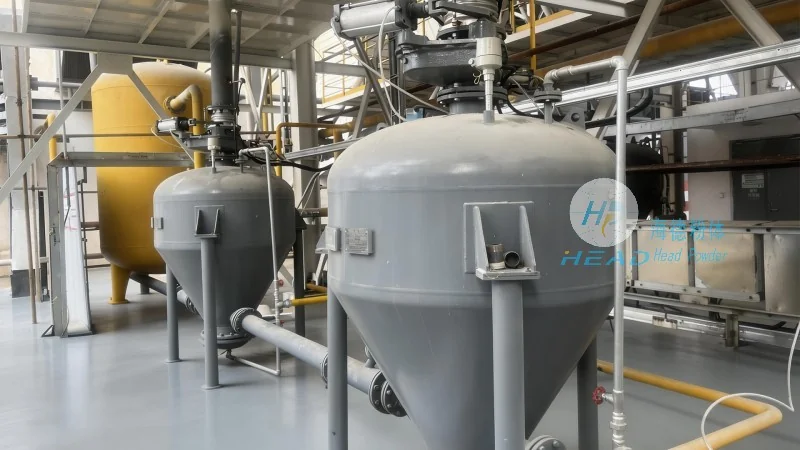
Shandong HeadPowder Engineering Co., Ltd.'s Solutions for Dust Leakage Prevention
Shandong HeadPowder Engineering Co., Ltd., a leading provider of pneumatic conveying solutions, specializes in addressing the unique challenges of light calcium transport. The company's approach focuses on a comprehensive system design that integrates advanced technology and meticulous engineering to minimize dust leakage. One of the primary solutions offered by HeadPowder is the use of high-quality, airtight conveying lines made from materials resistant to corrosion and wear, such as stainless steel or specialized polymers. These materials ensure durability and maintain a sealed environment throughout the conveying process. Additionally, the company employs advanced sealing mechanisms at critical points, including valves, elbows, and transfer points, to prevent air and material leakage. For instance, the use of double-seal valves and flexible connectors with built-in sealing elements significantly reduces the risk of dust escape.
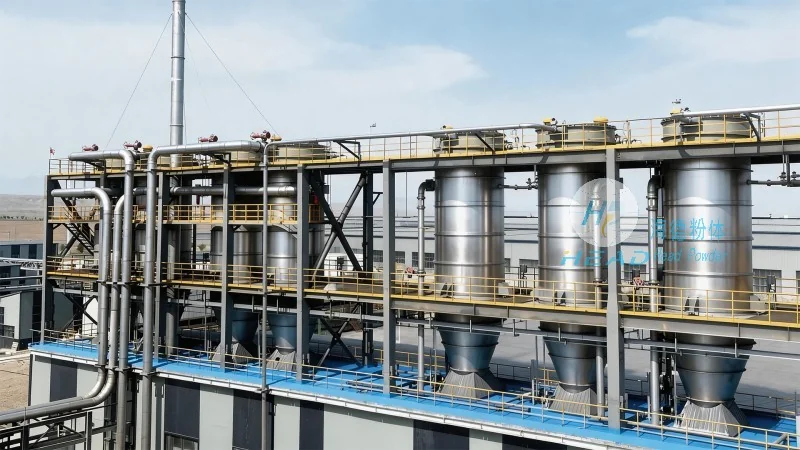
Another key aspect of HeadPowder's solutions is the implementation of efficient dust collection systems. These systems are designed to capture any particles that may escape during transport, ensuring that the surrounding environment remains clean and safe. The company also emphasizes the importance of proper system maintenance and regular inspections to identify and address potential sources of leakage before they become major issues. By combining robust material selection, advanced sealing technologies, and effective dust collection, HeadPowder's systems provide reliable and efficient light calcium transport with minimal dust leakage.

Benefits of Implementing Dust Leakage Prevention Measures
The implementation of effective dust leakage prevention measures in pneumatic conveying systems for light calcium offers numerous benefits. Firstly, it enhances workplace safety by reducing the exposure of personnel to airborne dust, thereby minimizing health risks. Secondly, it prevents material loss, which directly impacts the overall cost of production. By containing the material within the system, companies can avoid the financial losses associated with dust spillage and reprocessing. Thirdly, it improves operational efficiency by reducing downtime caused by system malfunctions or maintenance. A well-designed, dust-free system operates more smoothly, with fewer interruptions and lower maintenance requirements. Finally, it contributes to environmental sustainability by preventing dust from being released into the atmosphere, which aligns with regulatory requirements and corporate social responsibility goals.
Conclusion and Recommendations
Preventing dust leakage in pneumatic conveying systems when handling light calcium is a critical aspect of efficient and safe material transport. Shandong HeadPowder Engineering Co., Ltd. offers comprehensive solutions that address the unique challenges of light calcium, including advanced system design, high-quality materials, and effective sealing technologies. By investing in such solutions, companies can enhance operational safety, reduce costs, and improve overall efficiency. It is recommended that businesses considering pneumatic conveying for light calcium evaluate the specific needs of their operations and consult with experts like HeadPowder to develop a tailored system that minimizes dust leakage and maximizes performance. With the right approach and solutions, light calcium can be transported safely and effectively, ensuring both operational success and environmental responsibility.