

Preventing Dust Leakage in Pneumatic Conveying Systems for Pharmaceutical Transport
When it comes to transporting pharmaceutical powders and granules, maintaining a clean and safe environment is paramount. Pneumatic conveying systems offer an efficient method for moving these materials, but they also present challenges related to dust control and leakage prevention. For companies like Shandong HeadPowder Engineering Co., Ltd., based in Shandong, China, addressing these issues is a top priority to ensure compliance with stringent industry standards and protect product integrity.
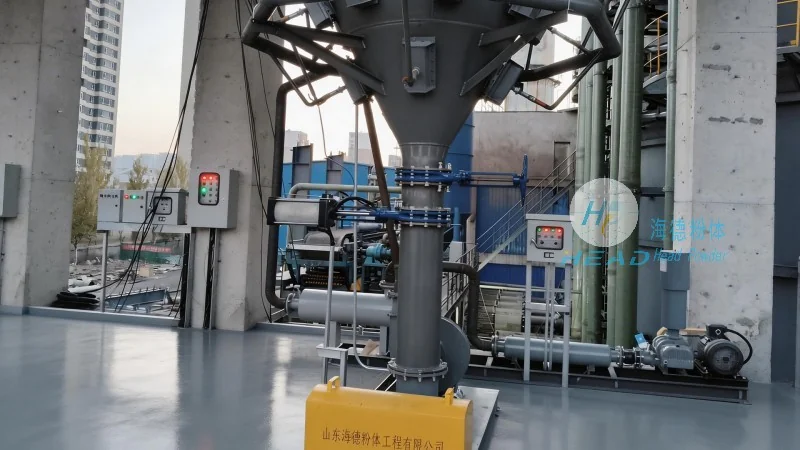
Understanding the Risks of Dust Leakage in Pharmaceutical Conveying
Dust leakage from pneumatic conveying systems can lead to several critical problems in pharmaceutical manufacturing. First, it poses a health risk to personnel, as pharmaceutical powders may contain allergens or other hazardous substances. Second, it can contaminate the product itself, compromising its quality and efficacy. Third, regulatory bodies enforce strict guidelines to prevent cross-contamination and ensure product safety. Therefore, implementing effective dust control measures is not just a matter of operational efficiency but a necessity for maintaining compliance and protecting brand reputation.
Key Strategies for Preventing Dust Leakage in Pneumatic Conveying Systems
Shandong HeadPowder Engineering Co., Ltd. employs several advanced strategies to mitigate dust leakage in pharmaceutical applications. One of the primary methods is the use of sealed conveying systems, which maintain a positive pressure environment to prevent external air from entering and product particles from escaping. These systems often incorporate high-quality seals and connectors that are specifically designed for pharmaceutical-grade materials, ensuring a tight seal even under varying pressure conditions.
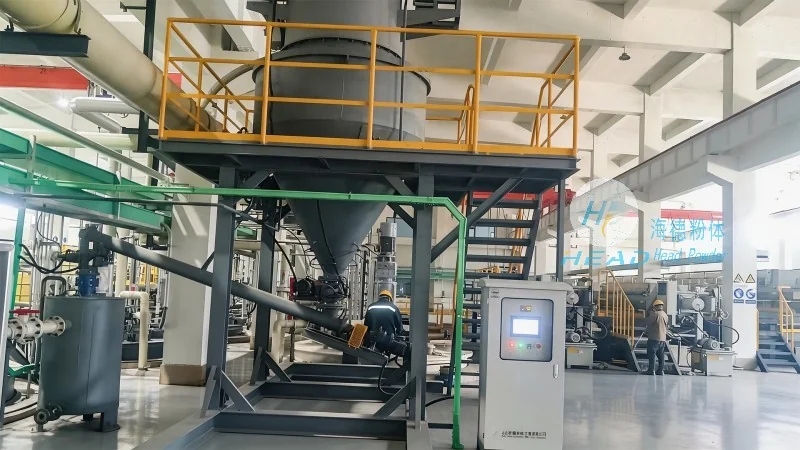
Another critical approach is the implementation of dust collection and filtration systems. These systems capture any airborne particles that may escape from the conveying line and filter them before releasing air back into the environment. For pharmaceutical applications, these filters must meet high-efficiency particulate air (HEPA) or ultra-low penetration air (ULPA) standards to ensure that only clean air is recirculated. This not only prevents dust leakage but also maintains a sterile environment within the facility.
Material Selection and System Design for Pharmaceutical Conveying
The choice of materials for pneumatic conveying components is crucial in preventing dust leakage. Shandong HeadPowder Engineering Co., Ltd. utilizes materials such as stainless steel, which is non-corrosive, easy to clean, and resistant to chemical exposure. Stainless steel components are often polished to a smooth finish, reducing the risk of particle accumulation and ensuring that any dust that may form is easily removed during cleaning processes. Additionally, the design of the system, including the use of smooth, rounded transitions and minimal dead zones, minimizes the opportunity for particles to become trapped and potentially escape.
Regular Maintenance and Inspection Protocols
Even with the most advanced systems, regular maintenance and inspection are essential to prevent dust leakage. Shandong HeadPowder Engineering Co., Ltd. recommends a proactive maintenance schedule that includes routine checks of seals, connectors, and filter performance. Technicians are trained to identify signs of wear or damage, such as loose fittings or clogged filters, and address them promptly. This approach ensures that the system remains in optimal condition and that any potential issues are resolved before they lead to significant dust leakage.
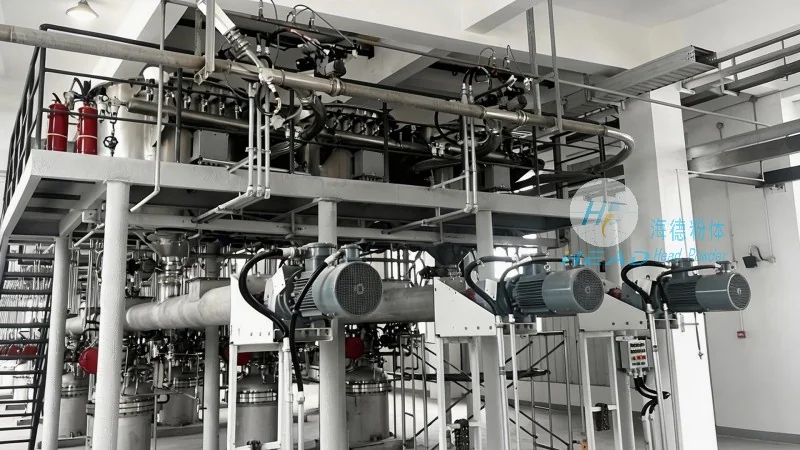
Compliance with Industry Standards and Certifications
Shandong HeadPowder Engineering Co., Ltd. ensures that its pneumatic conveying systems meet or exceed industry standards for pharmaceutical applications. The company adheres to guidelines set by organizations such as the U.S. Food and Drug Administration (FDA) and the European Medicines Agency (EMA), which emphasize the importance of dust control and product containment. By obtaining certifications like ISO 14644 (cleanroom standards) and GMP (Good Manufacturing Practice) compliance, Shandong HeadPowder demonstrates its commitment to providing reliable solutions that meet the highest safety and quality requirements in the pharmaceutical industry.
Conclusion: Ensuring Safety and Efficiency in Pharmaceutical Conveying
Preventing dust leakage in pneumatic conveying systems for pharmaceutical transport is a multifaceted challenge that requires careful planning, advanced technology, and rigorous maintenance. Companies like Shandong HeadPowder Engineering Co., Ltd. play a vital role in addressing these challenges by developing and implementing systems that prioritize safety, compliance, and product integrity. By combining sealed conveying technologies, high-efficiency filtration, and adherence to industry standards, these systems not only prevent dust leakage but also enhance overall operational efficiency and protect the health of both personnel and the final product.