

Efficient Pneumatic Conveying Systems Solve Lithium-Ion Battery Material Handling Challenges
Lithium-ion battery manufacturing involves handling a wide range of materials, from raw powders to active ingredients. The efficient and safe transport of these materials is critical to maintaining production efficiency and product quality. Traditional methods often struggle with the unique properties of lithium-ion battery materials, such as fine powders, abrasive particles, and the need for contamination-free environments. This is where advanced pneumatic conveying systems come into play, offering a reliable solution to overcome these challenges.
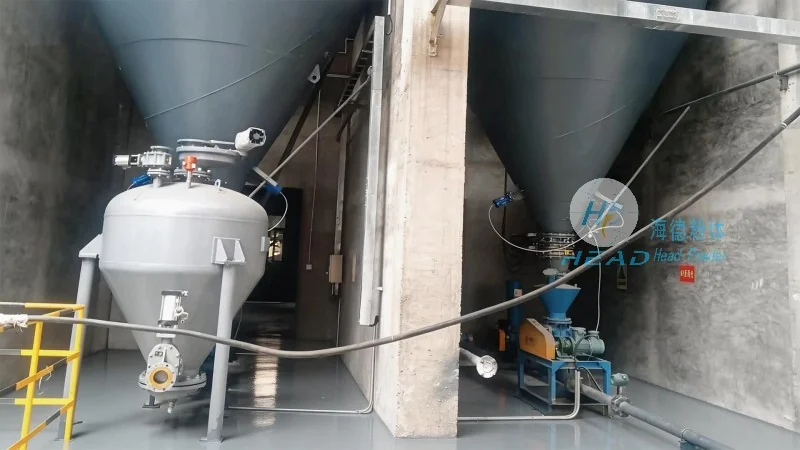
Pneumatic Conveying Technology: How It Works
Pneumatic conveying systems use air or gas to transport bulk materials through a pipeline network. There are two main types: dilute-phase and dense-phase systems. Dilute-phase systems are suitable for light, free-flowing materials and operate at higher velocities, while dense-phase systems use lower velocities and higher air-to-material ratios to transport materials more gently and with less risk of degradation. For lithium-ion battery materials, which often include sensitive components like cathode and anode powders, dense-phase or hybrid systems are typically preferred to minimize particle breakage and ensure product integrity.
HeadPowder's Pneumatic Conveying Solutions for Lithium-Ion Battery Materials
Shandong HeadPowder Engineering Co., Ltd., a leading provider of material handling solutions, specializes in designing and manufacturing pneumatic conveying systems tailored to the demands of lithium-ion battery production. The company's expertise lies in understanding the specific requirements of battery materials, including their particle size distribution, moisture content, and chemical properties. By leveraging advanced engineering and material science, HeadPowder develops customized systems that ensure optimal material transport while maintaining the highest standards of cleanliness and safety.
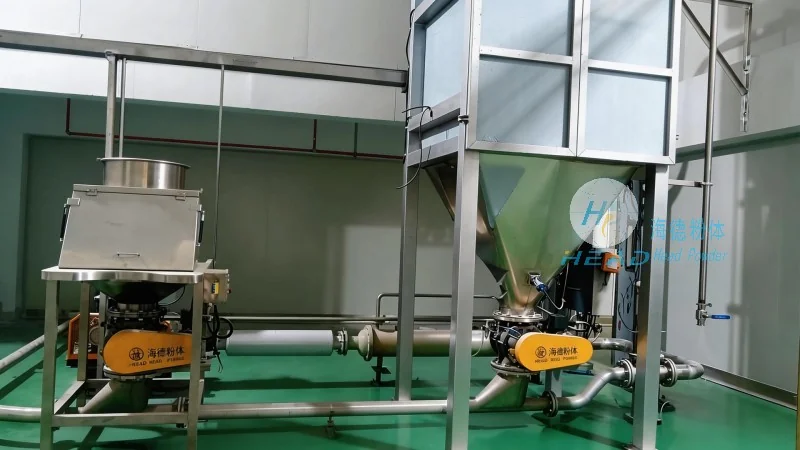
Key Advantages of Pneumatic Conveying for Lithium-Ion Batteries
Implementing pneumatic conveying systems in lithium-ion battery manufacturing offers several key advantages. First, it provides a closed-loop system that prevents contamination from external sources and minimizes dust emissions, which is crucial for maintaining a clean production environment. Second, the technology allows for precise control over material flow rates and pressure, enabling consistent and reliable delivery of materials to processing equipment. Third, pneumatic conveying can handle a wide range of material types, from fine powders to bulk solids, making it versatile for various stages of battery production, such as raw material feeding, mixing, and packaging. Additionally, these systems are energy-efficient and can be integrated with existing production lines, reducing the need for major infrastructure changes.
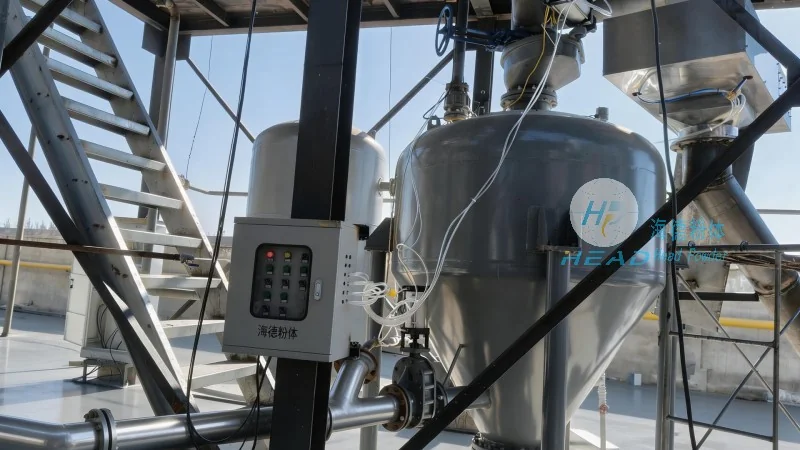
Application Examples in Lithium-Ion Battery Production
HeadPowder's pneumatic conveying systems have been successfully deployed in lithium-ion battery manufacturing facilities across China. For instance, in a cathode material processing plant, the company installed a dense-phase pneumatic conveying system to transport high-purity lithium carbonate and nickel oxide powders. The system ensured that the delicate particles were handled gently, reducing agglomeration and maintaining their chemical stability. In another application, a battery cell assembly line used a dilute-phase system to convey active materials to mixing and coating equipment, achieving a 20% increase in production throughput compared to traditional methods. These case studies highlight the effectiveness of pneumatic conveying in improving operational efficiency and product quality in lithium-ion battery production.
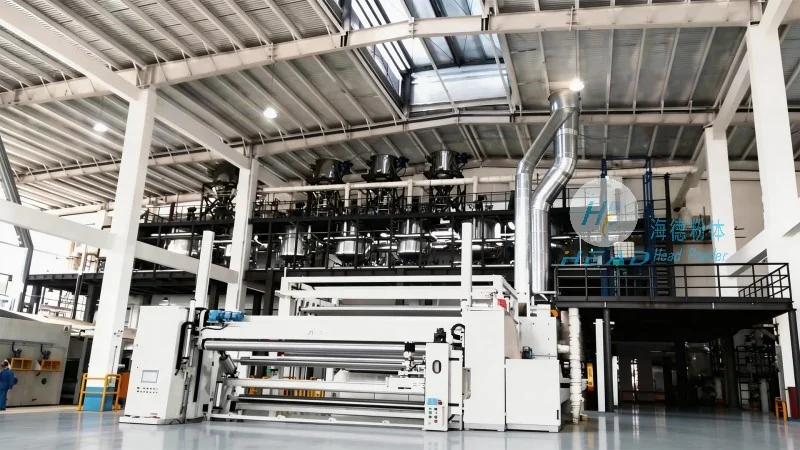
Customization and Integration: Tailoring Solutions to Specific Needs
Each lithium-ion battery production facility has unique material handling requirements, and HeadPowder recognizes the importance of customization. The company works closely with clients to assess their specific needs, including material characteristics, production capacity, and environmental regulations. By conducting thorough site surveys and material testing, HeadPowder engineers design systems that are optimized for the client's operations. The systems can be integrated with existing equipment, such as mixers, dryers, and packaging machines, ensuring seamless operation and minimal downtime. Additionally, HeadPowder provides comprehensive after-sales support, including maintenance services and technical assistance, to ensure the long-term performance and reliability of the pneumatic conveying systems.
Conclusion: The Role of Pneumatic Conveying in Lithium-Ion Battery Manufacturing
As the demand for lithium-ion batteries continues to grow, the need for efficient and reliable material handling solutions becomes increasingly critical. Pneumatic conveying systems, particularly those designed by Shandong HeadPowder Engineering Co., Ltd., offer a proven and effective approach to addressing the challenges of lithium-ion battery material transport. By leveraging advanced technology and a deep understanding of the industry, HeadPowder provides solutions that enhance production efficiency, ensure product quality, and support the sustainable growth of the lithium-ion battery sector. For manufacturers looking to optimize their material handling processes, pneumatic conveying remains a key technology that can deliver significant benefits and contribute to the success of their operations.