

[Efficient and Clean Solution for Fluorite Transport: A Detailed Explanation of Pneumatic Conveying
Fluorite, also known as calcium fluoride, is a widely used mineral in various industrial applications, including chemical manufacturing, metallurgy, and the production of fluorine-based products. The efficient and safe transportation of fluorite is crucial for maintaining production efficiency and ensuring operational safety. Traditional methods like belt conveyors or bucket elevators often face challenges such as material degradation, contamination, and high maintenance costs. This article explores the benefits of pneumatic conveying technology as a clean and efficient solution for fluorite transport, with a focus on the expertise of Shandong HeadPowder Engineering Co., Ltd.
Pneumatic Conveying Technology: An Advanced Approach to Fluorite Transport
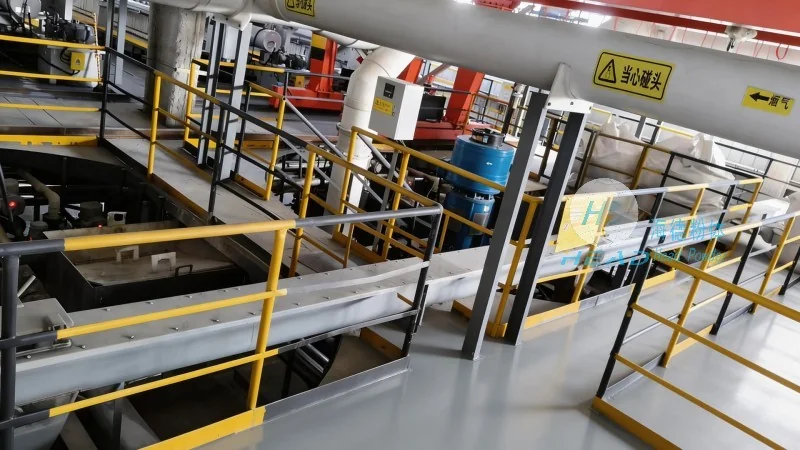
Pneumatic conveying, or air-assisted transport, is a method that uses compressed air to move bulk materials like fluorite through a pipeline system. Unlike mechanical conveying systems, this technology eliminates the need for moving parts in direct contact with the material, reducing the risk of contamination and wear. The process involves generating a flow of air within the pipeline, which lifts and transports the fluorite particles. This method is particularly suitable for handling fine or dusty materials, as it prevents dust dispersion and maintains material integrity.
Key Advantages of Pneumatic Conveying for Fluorite
Implementing pneumatic conveying for fluorite transport offers several significant advantages. Firstly, it provides a highly efficient and continuous material flow, ensuring consistent production rates. The absence of mechanical components minimizes maintenance requirements and downtime, leading to lower operational costs. Secondly, the technology is inherently clean, as it prevents material contact with external surfaces, reducing the risk of contamination from dust or other particles. This is critical for applications where product purity is paramount, such as in the production of high-purity fluorine compounds. Additionally, pneumatic conveying systems can be designed for both low and high-pressure operations, allowing flexibility in handling different fluorite particle sizes and flow rates.
HeadPowder Engineering: Expertise in Pneumatic Conveying Solutions
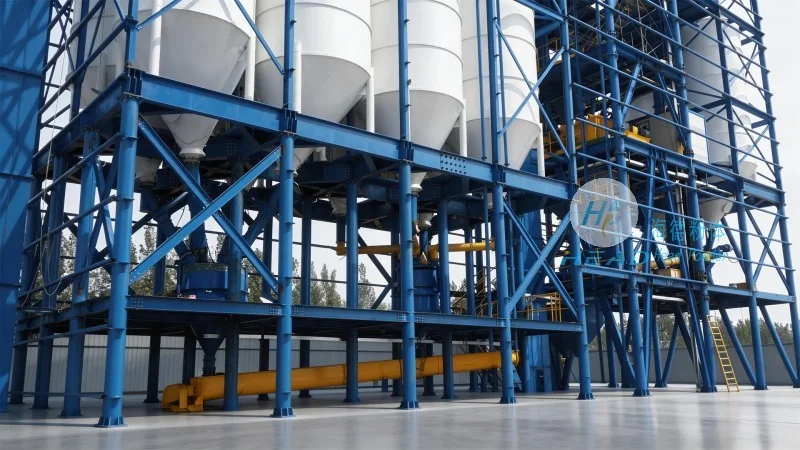
Shandong HeadPowder Engineering Co., Ltd., a leading provider of bulk material handling solutions, specializes in designing and implementing advanced pneumatic conveying systems tailored to the unique needs of fluorite transport. With years of experience in the industry, HeadPowder has developed a comprehensive understanding of the challenges associated with fluorite handling, including its abrasive nature and the need for clean transport. The company's engineers leverage cutting-edge technology and robust design principles to create customized systems that optimize efficiency, reduce costs, and enhance safety. HeadPowder's solutions are built to withstand the demanding conditions of fluorite processing, ensuring long-term reliability and performance.
Customized Pneumatic Conveying Systems for Optimal Performance
HeadPowder Engineering offers a range of pneumatic conveying systems designed to meet the specific requirements of fluorite transport. These systems can be configured as positive pressure, negative pressure, or a combination of both, depending on the application's needs. The company's engineers work closely with clients to assess their operational parameters, such as material flow rates, particle size distribution, and system layout, to design a system that maximizes efficiency and minimizes energy consumption. The systems are equipped with advanced control mechanisms that allow for precise regulation of air pressure and flow, ensuring consistent material transport and preventing system overloads. Additionally, HeadPowder provides comprehensive support, including installation, commissioning, and ongoing maintenance services, to ensure the longevity and optimal performance of the conveying systems.
Ensuring Safety and Compliance in Fluorite Transport
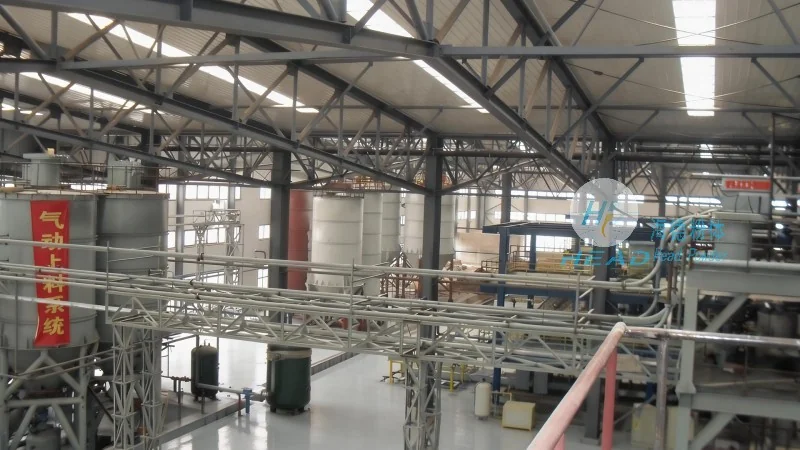
When handling fluorite, safety is a top priority due to the potential health risks associated with dust exposure and the material's abrasive properties. HeadPowder Engineering's pneumatic conveying systems are designed with safety features that comply with industry standards and regulations. These include dust collection systems to prevent airborne contamination, pressure relief valves to protect against overpressure, and material handling equipment that minimizes the risk of accidents. The company adheres to strict quality control measures to ensure that all components used in the systems are durable and resistant to corrosion, which is essential for handling fluorite's chemical properties. By prioritizing safety and compliance, HeadPowder ensures that its clients can operate their fluorite transport systems with confidence and peace of mind.
Conclusion: The Future of Fluorite Transport with Pneumatic Conveying
In conclusion, pneumatic conveying technology represents a superior and clean solution for the efficient transport of fluorite. By leveraging the expertise of companies like Shandong HeadPowder Engineering Co., Ltd., industries can achieve significant improvements in operational efficiency, cost reduction, and safety. The advanced systems offered by HeadPowder are designed to meet the unique challenges of fluorite handling, providing customized solutions that optimize performance and ensure long-term reliability. As the demand for high-quality fluorite products continues to grow, the adoption of advanced pneumatic conveying systems will play a crucial role in meeting production needs while maintaining environmental and safety standards.