

[Efficient and Clean Lithium Oxide Handling: An In-Depth Look at Pneumatic Conveying Technology]
When it comes to handling lithium oxide, the choice of conveying technology plays a pivotal role in determining operational efficiency, safety, and environmental impact. In the modern industrial landscape, especially for materials like lithium oxide, which are often used in high-value applications such as battery production and chemical synthesis, the need for a system that can deliver both speed and cleanliness is paramount. This article delves into the advantages of pneumatic conveying as a superior method for transporting lithium oxide, highlighting how it addresses the unique challenges associated with this material.
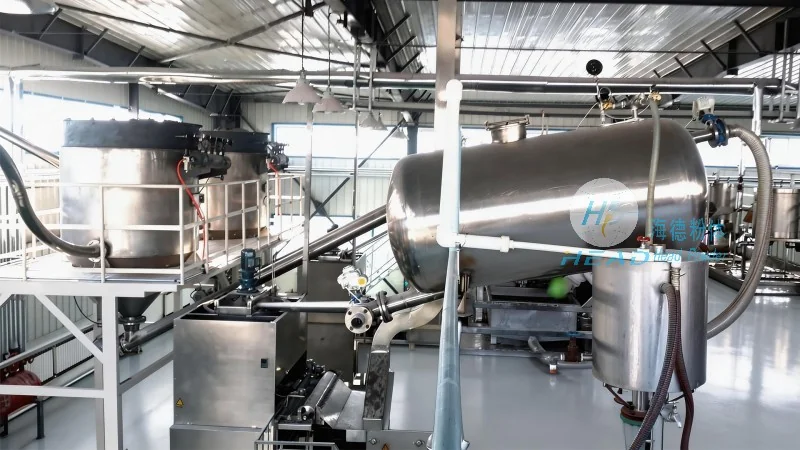
Pneumatic Conveying: A Superior Solution for Lithium Oxide Transport
Traditional methods of transporting lithium oxide, such as bucket elevators or belt conveyors, often face limitations when dealing with fine powders. These systems can lead to material degradation, increased dust emissions, and higher maintenance costs. Pneumatic conveying, on the other hand, offers a more integrated and efficient approach. By using a combination of air pressure and vacuum, this technology can move lithium oxide through pipelines with minimal contact, reducing the risk of contamination and ensuring a cleaner process. The core principle involves the creation of a flow of air that carries the powder particles, allowing for a continuous and controlled transfer from the source to the destination.
Key Benefits of Pneumatic Conveying for Lithium Oxide Handling
Implementing a pneumatic conveying system for lithium oxide offers several distinct advantages. First, it significantly enhances operational efficiency by enabling rapid and continuous material movement. Unlike batch processing methods, pneumatic systems can maintain a steady flow, reducing downtime and increasing overall productivity. Second, the technology is inherently cleaner, as it minimizes the generation of dust and airborne particles. This not only improves workplace safety but also reduces the need for extensive dust control measures, leading to lower operational costs. Third, pneumatic conveying systems are more flexible in terms of layout and integration. They can be easily adapted to existing facilities or new plant designs, allowing for seamless expansion or reconfiguration as production needs evolve.
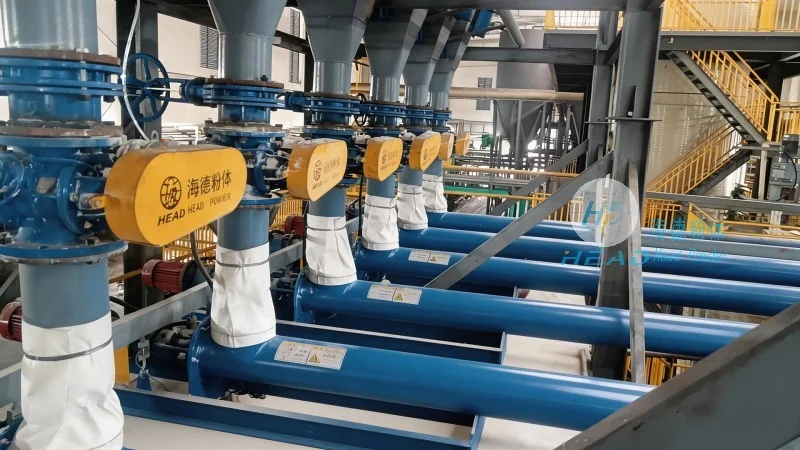
How Pneumatic Conveying Systems Work for Lithium Oxide
To understand the effectiveness of pneumatic conveying for lithium oxide, it's essential to grasp the underlying mechanics. The system typically consists of a series of components, including a hopper for material storage, a conveyor line (either pressure or vacuum-based), and a receiver for the discharged material. In a pressure system, compressed air is used to push the powder through the pipeline, while a vacuum system pulls the material from the source. For lithium oxide, which is a fine powder, the choice of system depends on factors such as the distance to be covered and the required flow rate. The design of the system, including the size of the pipelines and the type of air nozzles, is critical to ensuring optimal performance and preventing blockages or material degradation.
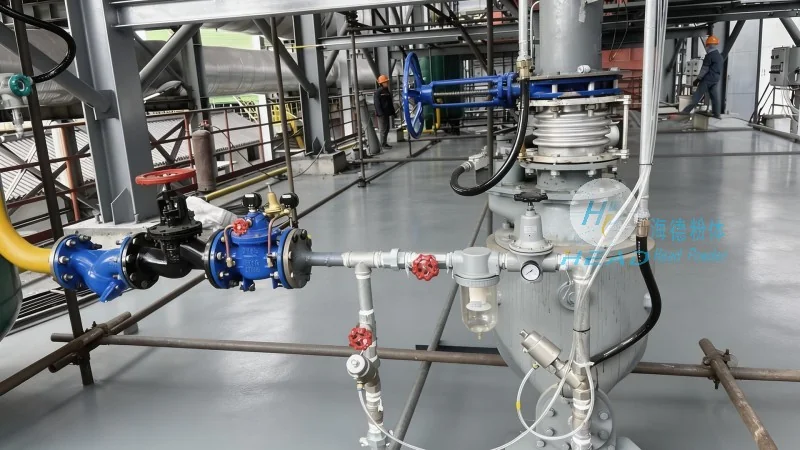
Customization and Scalability: Tailoring Pneumatic Conveying Solutions to Lithium Oxide Needs
One of the key strengths of pneumatic conveying technology is its adaptability. Companies like Shandong HeadPowder Engineering Co., Ltd. specialize in designing and manufacturing customized pneumatic conveying systems tailored to the specific requirements of lithium oxide handling. These systems can be scaled to accommodate varying production volumes, from small-scale laboratory applications to large industrial operations. The engineering team at HeadPowder leverages years of experience in powder handling to develop solutions that address the unique properties of lithium oxide, such as its reactivity and dustiness. By working closely with clients, they ensure that the final system not only meets but exceeds operational expectations, providing a reliable and efficient solution for transporting lithium oxide.
Conclusion: The Future of Lithium Oxide Handling with Pneumatic Conveying
As the demand for lithium oxide continues to grow in the battery and chemical industries, the importance of efficient and clean handling methods becomes increasingly critical. Pneumatic conveying technology stands out as a leading solution, offering a combination of speed, cleanliness, and flexibility that traditional methods cannot match. By investing in a well-designed pneumatic conveying system, companies can enhance their operational efficiency, reduce costs, and ensure compliance with environmental regulations. With the expertise of companies like Shandong HeadPowder Engineering Co., Ltd., businesses can confidently implement these advanced systems, knowing that they are choosing a proven and reliable technology for their lithium oxide handling needs.