

Efficient and Clean Solution for Desulfurization Fly Ash Transport: A Detailed Explanation of Pneuma
Desulfurization fly ash, a byproduct of flue gas desulfurization processes in power plants and industrial facilities, presents unique challenges when it comes to transportation. Traditional methods such as belt conveyors or truck transport often face issues like dust pollution, material degradation, and operational inefficiencies. To address these challenges, pneumatic conveying technology emerges as a superior and environmentally friendly solution. This article provides an in-depth look at how pneumatic conveying systems enhance the efficiency and cleanliness of desulfurization fly ash transport, highlighting the expertise of Shandong HeadPowder Engineering Co., Ltd. (referred to as HeadPowder), a leading provider of bulk material handling solutions headquartered in Shandong, China.
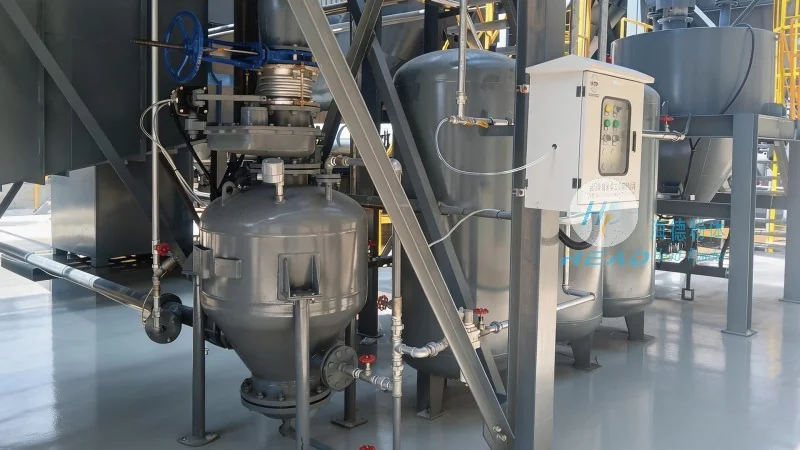
Understanding Desulfurization Fly Ash and Its Transport Challenges
Desulfurization fly ash, also known as FGD (Flue Gas Desulfurization) gypsum or calcium sulfate hemihydrate, is generated when flue gases from coal-fired or other fossil fuel-burning plants are treated to remove sulfur dioxide. This fine, powdery material is typically stored in ash ponds or hoppers before being transported to disposal sites or reutilization facilities. The primary challenges associated with transporting this material include:
- Dust generation during handling, which can lead to environmental contamination and health hazards for workers.
- Material degradation due to moisture absorption or agglomeration, reducing the quality of the ash for reuse.
- Operational inefficiencies from manual handling or slow transport systems, increasing overall costs and downtime.
Pneumatic Conveying: The Clean and Efficient Alternative
Pneumatic conveying systems use air to transport bulk materials like desulfurization fly ash through a pipeline network. Unlike traditional methods, this technology offers a dust-free, closed-loop system that minimizes environmental impact and ensures the integrity of the material. HeadPowder specializes in designing and implementing advanced pneumatic conveying solutions tailored to the specific needs of desulfurization fly ash transport.
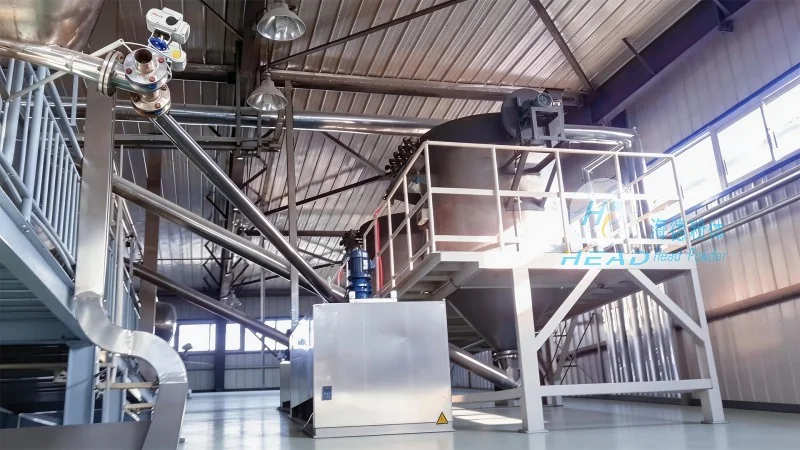
The core advantage of pneumatic conveying lies in its ability to handle fine powders without the need for mechanical components that can cause wear or contamination. By utilizing air pressure to move the material, the system maintains the dryness and purity of the ash, making it suitable for further processing or disposal without compromising quality.
Key Features of Pneumatic Conveying Systems for Desulfurization Fly Ash
HeadPowder’s pneumatic conveying systems are engineered with several key features that optimize performance for desulfurization fly ash transport:
- Closed-Loop Design: The system operates in a sealed environment, preventing dust emissions and ensuring compliance with environmental regulations.
- Variable Airflow Control: Adjustable air pressure and flow rates allow for precise control over material transport speed and distance, accommodating different plant layouts and operational requirements.
- Material Handling Flexibility: The technology can handle varying ash compositions, including those with moisture content or agglomerates, without requiring pre-treatment or additional processing steps.
- Reduced Maintenance: The absence of moving parts in the conveying line minimizes wear and tear, leading to lower maintenance costs and longer system lifespans.
Application Scenarios and Benefits
Pneumatic conveying systems from HeadPowder are deployed in various industrial settings where desulfurization fly ash needs to be transported efficiently and cleanly. These applications include:
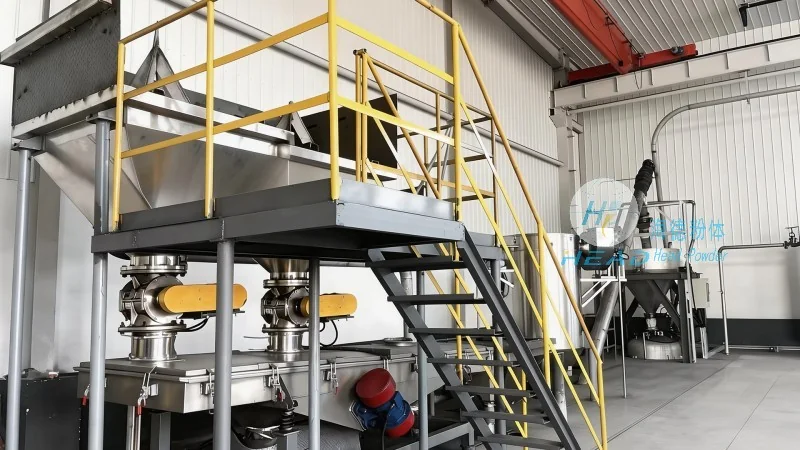
- Transporting ash from storage hoppers to disposal sites or reutilization facilities within the same plant or nearby locations.
- Transferring ash to external disposal sites or recycling facilities, ensuring compliance with local regulations and minimizing transportation costs.
- Handling ash in combination with other bulk materials, such as coal or limestone, in integrated conveying systems.
The benefits of adopting pneumatic conveying for desulfurization fly ash transport are substantial. These systems not only improve operational efficiency by reducing downtime and labor costs but also enhance environmental sustainability by eliminating dust pollution and ensuring the material remains in its original state for reuse or disposal.
Conclusion: Choosing Clean and Efficient Transport with HeadPowder
For industries seeking a reliable and environmentally responsible solution for desulfurization fly ash transport, pneumatic conveying technology, as implemented by Shandong HeadPowder Engineering Co., Ltd., offers a superior alternative to traditional methods. By leveraging advanced engineering and tailored system designs, HeadPowder ensures that desulfurization fly ash is transported efficiently, cleanly, and with minimal impact on the environment. With a focus on innovation and customer satisfaction, HeadPowder continues to lead in providing effective pneumatic conveying solutions for modern industrial applications.