

Application and Optimization of Pneumatic Conveying Technology in Wood Fiber Conveying Design
Pneumatic conveying technology has emerged as a critical solution for the efficient and reliable transport of wood fibers in various industrial applications. This method involves the use of air to move bulk materials like wood chips, sawdust, and other fibrous materials through a pipeline system. The application of such technology in wood fiber handling not only enhances operational efficiency but also ensures minimal material degradation, making it a preferred choice for manufacturers and processors in the wood industry.
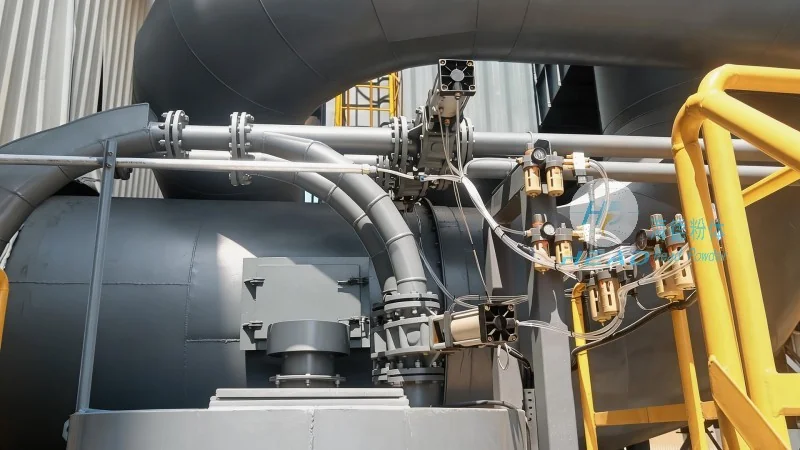
Key Advantages of Pneumatic Conveying in Wood Fiber Transport
When considering the transportation of wood fibers, pneumatic conveying offers several distinct advantages over traditional methods such as belt conveyors or screw conveyors. Firstly, it provides a dust-free environment, which is essential for maintaining air quality and protecting equipment from corrosion. Secondly, the system can handle a wide range of particle sizes and moisture contents, making it versatile for different wood processing stages. Additionally, the enclosed pipeline design reduces the risk of material spillage and contamination, which is crucial for maintaining product purity. These benefits collectively contribute to improved productivity and lower operational costs in wood fiber processing facilities.
Optimization Strategies for Pneumatic Conveying Systems
Optimizing pneumatic conveying systems for wood fiber transport involves several key strategies. One of the primary considerations is the selection of the appropriate air velocity and pressure to ensure efficient material movement without causing excessive wear on the system components. Engineers often use computational fluid dynamics (CFD) simulations to model the flow behavior and identify potential bottlenecks or areas of high pressure drop. Another critical factor is the design of the feeding and discharge mechanisms. Properly designed feeders, such as rotary valves or star feeders, ensure a consistent flow rate, preventing blockages and maintaining system stability. Furthermore, the use of flexible hoses and elbows with appropriate diameters minimizes pressure losses and reduces energy consumption. Regular maintenance and monitoring of the system, including checking for air leaks and cleaning of filters, are also essential to maintain optimal performance.
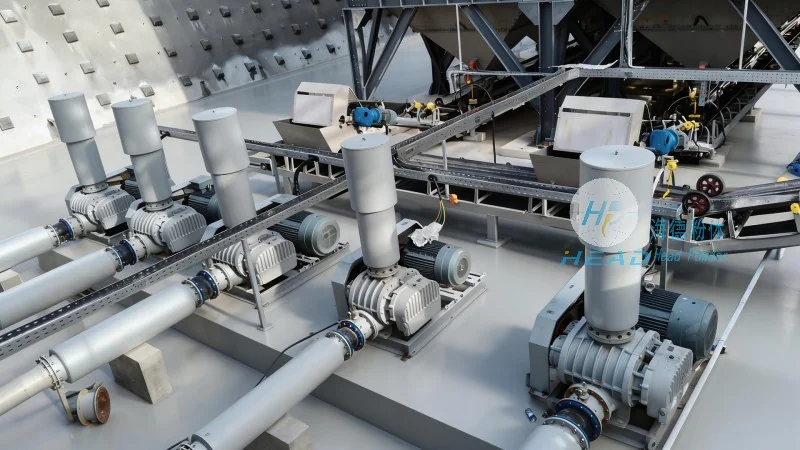
HeadPowder's Expertise in Wood Fiber Conveying Solutions
Shandong HeadPowder Engineering Co., Ltd. specializes in providing customized pneumatic conveying solutions tailored to the specific needs of wood fiber processing industries. With years of experience in the field, the company has developed a deep understanding of the unique challenges associated with handling fibrous materials. HeadPowder's team of engineers works closely with clients to assess their operational requirements, material characteristics, and space constraints to design a system that maximizes efficiency and minimizes downtime. The company offers a range of components, including high-quality pipelines, air compressors, and control systems, all engineered to withstand the demanding conditions of wood fiber transport. By leveraging advanced technology and rigorous testing protocols, HeadPowder ensures that its solutions meet the highest standards of performance and reliability.
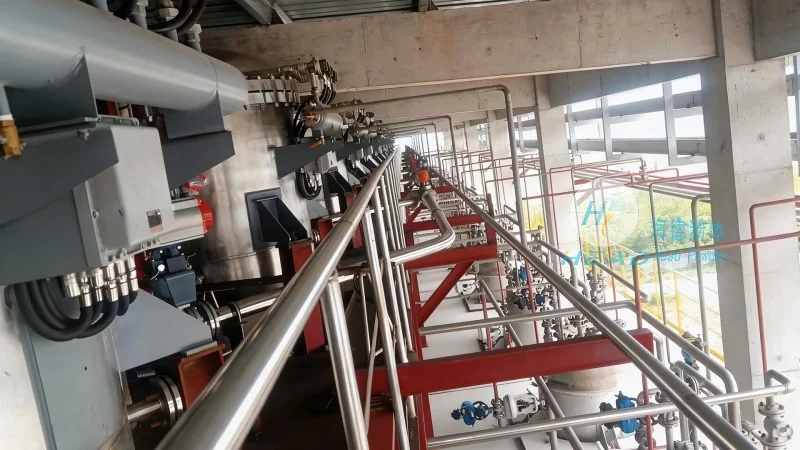
Case Studies and Real-World Applications
HeadPowder has successfully implemented pneumatic conveying systems in numerous wood processing facilities across China. For instance, a major sawmill in Shandong Province adopted a custom-designed system to transport sawdust from the cutting area to the drying and pelletizing units. The system, equipped with variable speed air compressors and optimized pipeline layouts, reduced material handling time by 30% and lowered energy consumption by 20% compared to traditional methods. Another client, a wood pellet manufacturer in Henan, utilized HeadPowder's solution to transport raw wood chips from storage silos to the processing line. The system's ability to handle high moisture content and varying particle sizes ensured consistent product quality and reduced waste. These case studies demonstrate the effectiveness of pneumatic conveying technology in improving operational efficiency and product quality in wood fiber processing.
Conclusion and Future Outlook
Pneumatic conveying technology continues to play a vital role in the optimization of wood fiber transport processes. As the wood industry evolves, the demand for efficient and sustainable material handling solutions will only increase. Companies like Shandong HeadPowder Engineering Co., Ltd. are at the forefront of developing advanced systems that address the specific challenges of wood fiber processing. By focusing on innovation, quality, and customer-centric solutions, HeadPowder is positioned to meet the growing needs of the industry and contribute to its continued growth and development.