

Application and Optimization of Pneumatic Conveying Technology in Sulfur Transportation Design
HeadPowder, a leading engineering firm based in Shandong, China, specializes in the design and implementation of advanced material handling solutions. One of their key areas of expertise is the application of pneumatic conveying technology for the efficient and reliable transportation of sulfur. This article explores how pneumatic conveying systems are optimized for sulfur handling, highlighting the technical considerations and practical benefits of such systems.
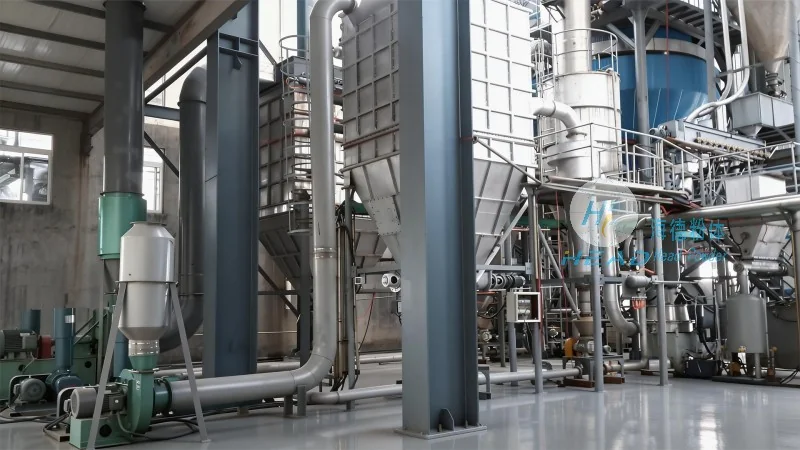
Pneumatic Conveying Technology: An Overview
Pneumatic conveying is a method of transporting bulk materials through a pipeline using a stream of air or other gas. It offers several advantages over traditional mechanical conveying systems, such as reduced equipment wear, lower maintenance costs, and the ability to handle a wide range of materials, including powders and granules. For sulfur, which is often in a powdered or granular form, pneumatic conveying provides a flexible and efficient solution for moving the material from storage to processing units or for distribution to end-users.
Key Challenges in Sulfur Transportation
Transporting sulfur using conventional methods can present significant challenges. Sulfur is a brittle material that can be prone to clumping, especially when exposed to moisture or temperature fluctuations. This can lead to blockages in pipelines and increased downtime for maintenance. Additionally, sulfur has a relatively low bulk density, which means that larger volumes require more space and energy to transport compared to denser materials. These challenges make the selection of an appropriate conveying system critical for ensuring operational efficiency and cost-effectiveness.
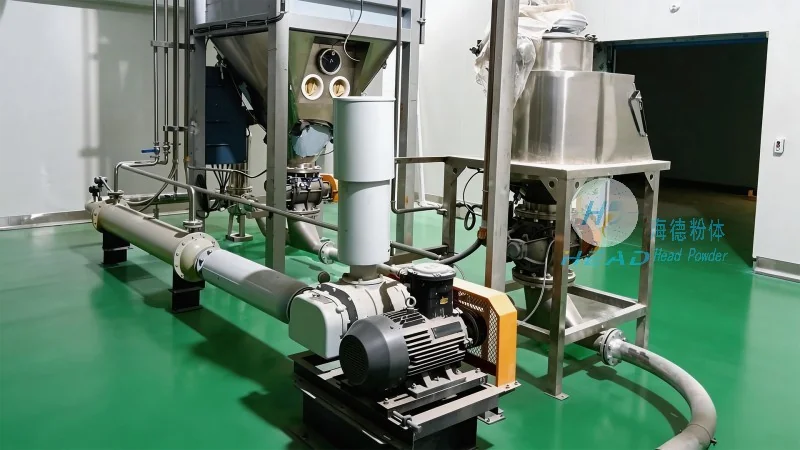
Optimizing Pneumatic Conveying for Sulfur
HeadPowder Engineering has developed specialized solutions to address the unique characteristics of sulfur and optimize pneumatic conveying systems. One key aspect of optimization is the selection of the right type of pneumatic conveying system. For sulfur, a positive pressure system is often preferred as it can handle the material's tendency to clump and provides better control over the flow rate. The system typically includes a blower or compressor to generate the air pressure, a hopper to feed the sulfur into the pipeline, and a receiver to collect the material at the destination.
Another critical factor in optimization is the design of the pipeline and associated components. The pipeline diameter and length are carefully calculated to ensure that the air velocity is sufficient to prevent material settling but not so high as to cause excessive wear on the system components. HeadPowder engineers consider factors such as sulfur's particle size distribution, moisture content, and bulk density to determine the optimal air velocity and pressure. They also incorporate features like cyclones or filters to separate any entrained air from the sulfur, ensuring that the material is delivered in a dry and clean state.
Benefits of Optimized Pneumatic Conveying Systems
The implementation of optimized pneumatic conveying systems for sulfur transportation offers numerous benefits. Firstly, it significantly reduces the risk of blockages and downtime, as the system is designed to handle the material's properties effectively. This leads to improved operational reliability and increased productivity. Secondly, the energy efficiency of pneumatic conveying systems is higher compared to mechanical systems, resulting in lower operational costs over time. Thirdly, the flexibility of the system allows for easy integration with existing infrastructure or expansion as production needs grow.
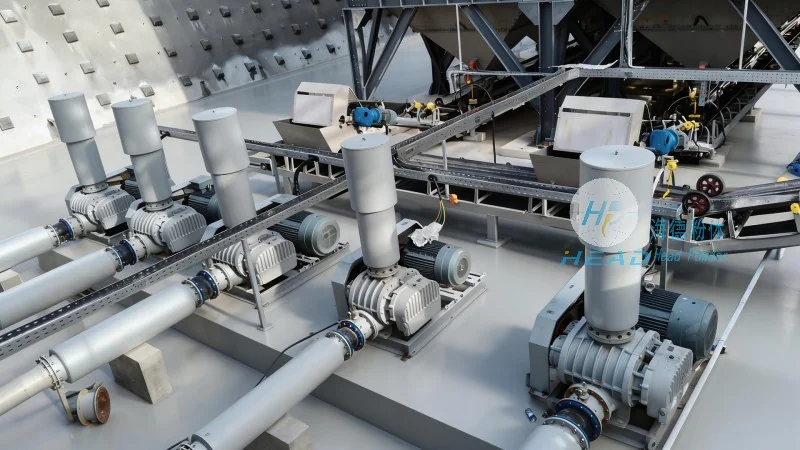
Case Study: Sulfur Handling at a Chemical Plant
HeadPowder Engineering recently completed a project for a chemical plant in Shandong, China, where they designed and installed a pneumatic conveying system to transport sulfur from storage silos to a processing unit. The system was optimized to handle the plant's specific sulfur characteristics, including a particle size range of 0.1 to 2 mm and a moisture content of less than 1%. The positive pressure system, with a 150 mm diameter pipeline and a 200 kW blower, was able to transport 50 tons of sulfur per hour with minimal maintenance. The plant reported a 30% reduction in downtime and a 20% decrease in energy consumption compared to their previous mechanical conveying system.
Conclusion
HeadPowder Engineering Co., Ltd. provides comprehensive solutions for the application and optimization of pneumatic conveying technology in sulfur transportation. By leveraging their expertise in material handling and process engineering, they design systems that are tailored to the unique properties of sulfur, ensuring efficient, reliable, and cost-effective material transport. For industries dealing with sulfur, investing in an optimized pneumatic conveying system can lead to significant operational improvements and long-term cost savings.