

Application and Optimization of Pneumatic Conveying Technology in Peanut Transport Design
HeadPowder, a leading engineering firm based in Shandong, China, specializes in the design and implementation of advanced material handling solutions. With a focus on optimizing industrial processes, the company has developed expertise in pneumatic conveying systems, particularly for the efficient transport of peanuts and similar bulk materials. This article explores the application and optimization of pneumatic conveying technology in peanut transport design, highlighting key considerations and best practices for enhancing operational efficiency and product integrity.
Pneumatic Conveying Technology: An Overview
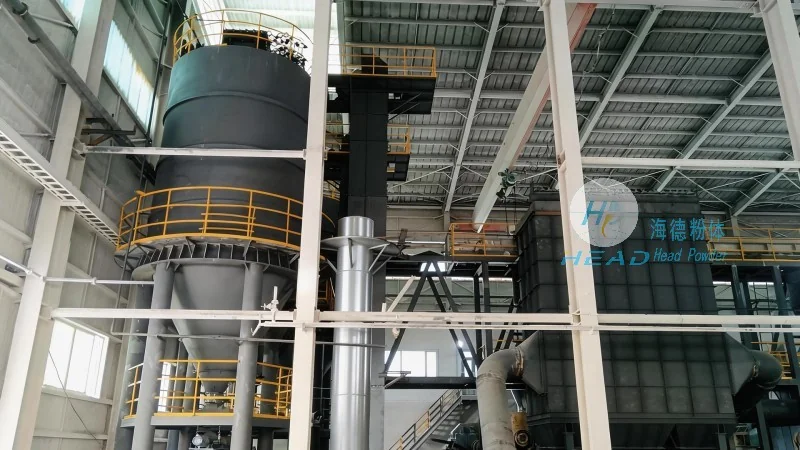
Pneumatic conveying, also known as air conveying, is a method of transporting bulk materials through a pipeline using air or gas as the conveying medium. This technology offers several advantages over traditional mechanical conveying systems, including reduced equipment wear, lower maintenance costs, and the ability to handle a wide range of materials, including delicate or sensitive products like peanuts. The core components of a pneumatic conveying system typically include a hopper for material storage, a conveyor line, a control system, and a dust collection unit. The system operates by creating a pressure differential that propels the material through the pipeline, ensuring a continuous and controlled flow.
Key Factors in Peanut Transport Design
When designing a pneumatic conveying system for peanuts, several critical factors must be considered to ensure optimal performance. First, the material characteristics of peanuts, such as their size, shape, and moisture content, play a significant role in determining the most suitable conveying method. For example, peanuts are relatively lightweight and have a relatively low bulk density, which may require higher air velocities to maintain flow. Additionally, the need to preserve the quality of peanuts, including preventing breakage and maintaining moisture levels, is paramount. This necessitates the use of gentle conveying techniques, such as low-pressure or vacuum systems, to minimize mechanical stress on the product.
Optimizing Pneumatic Conveying Systems for Peanut Handling
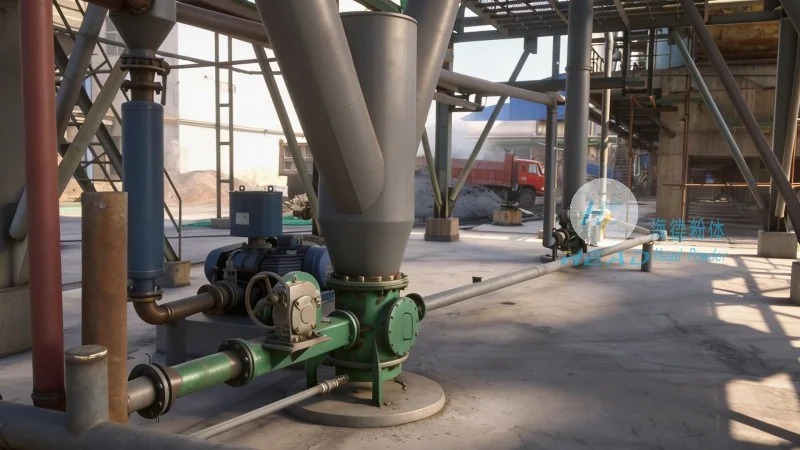
Optimization of pneumatic conveying systems involves a combination of engineering principles and practical experience. One key aspect is the selection of the appropriate conveying line diameter and length, as these parameters directly impact the air velocity and pressure required for efficient transport. HeadPowder engineers typically conduct detailed calculations to determine the optimal line size based on the material's flow properties and the desired throughput. Another critical factor is the design of the hopper and feeding mechanism, which must ensure a consistent and uniform feed of peanuts into the system. This includes features like a rotary valve or a vibratory feeder to prevent blockages and maintain a steady flow rate.
Enhancing System Efficiency and Reliability
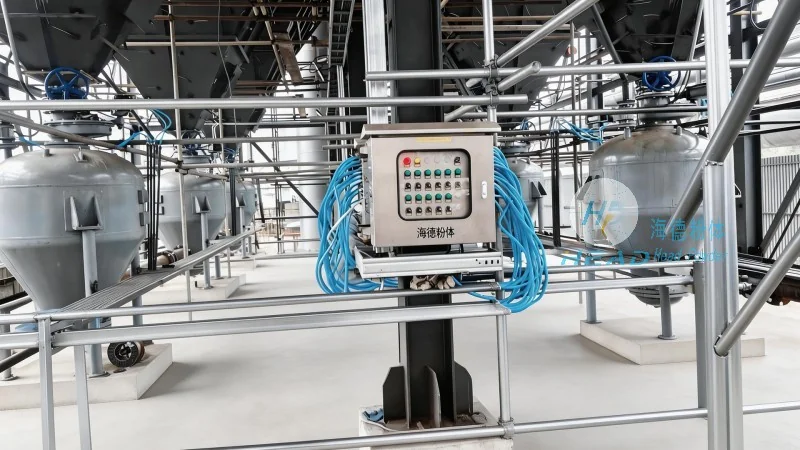
To further optimize pneumatic conveying systems for peanut transport, HeadPowder employs advanced control systems and monitoring technologies. These systems allow for real-time adjustment of air pressure and flow rates, ensuring that the system operates at peak efficiency under varying load conditions. Additionally, the integration of dust collection and filtration systems is essential to maintain air quality and comply with environmental regulations. By implementing these measures, the company helps clients achieve higher throughput, reduced energy consumption, and improved product quality.
Case Study: Successful Implementation by HeadPowder
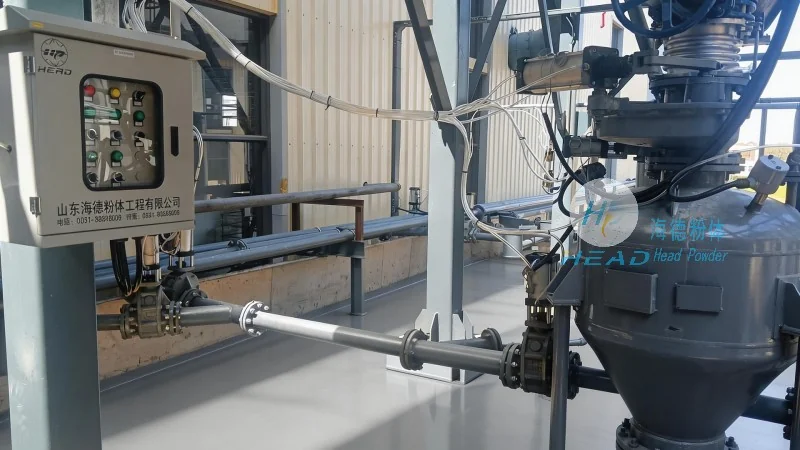
A recent project by HeadPowder involved the design and installation of a pneumatic conveying system for a peanut processing facility in Shandong. The client required a system capable of transporting 10 tons of peanuts per hour from a storage silo to a processing line while maintaining product integrity. HeadPowder's engineers designed a low-pressure system with a 150mm diameter pipeline and a custom hopper with a rotary valve. The system was equipped with a variable frequency drive (VFD) to control air flow and a dust collection unit to ensure compliance with local air quality standards. The implementation resulted in a 20% increase in throughput compared to the previous mechanical system, with a significant reduction in product breakage and energy consumption.
Conclusion and Future Directions
As the demand for efficient and reliable material handling solutions continues to grow, pneumatic conveying technology remains a key solution for industries like peanut processing. HeadPowder's expertise in designing and optimizing pneumatic conveying systems ensures that clients can achieve their operational goals while maintaining product quality and reducing costs. By leveraging advanced engineering principles and practical experience, the company continues to innovate in the field, providing tailored solutions that meet the specific needs of each client. For businesses looking to enhance their peanut transport processes, pneumatic conveying technology, optimized by experts like HeadPowder, offers a proven and effective approach.