

Principles and Classification Applications of Coffee Bean Pneumatic Conveying
For coffee processing facilities, efficient and reliable material handling is crucial to maintaining product quality and operational efficiency. Pneumatic conveying systems offer a versatile solution for transporting coffee beans, from raw beans to finished products. This article explores the fundamental principles of coffee bean pneumatic conveying, the different classification methods, and their practical applications in the coffee industry.
Understanding Pneumatic Conveying Principles
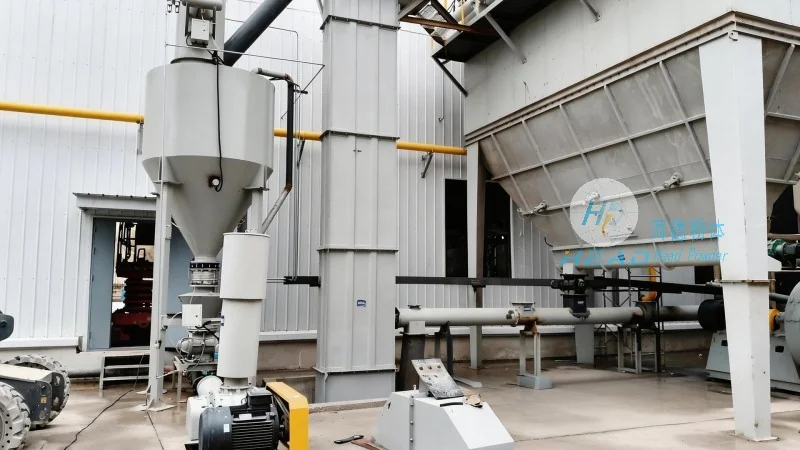
Pneumatic conveying utilizes air to transport solid materials like coffee beans through a pipeline system. The core principle involves creating a pressure differential to move the beans. There are two primary types of pneumatic conveying: pressure and vacuum systems. Pressure systems use compressed air to push the material forward, while vacuum systems create a negative pressure to draw the material into the pipeline. The choice between these systems depends on factors such as the distance, material characteristics, and system complexity. In coffee bean handling, both methods are employed to ensure smooth and consistent transport.
Classification of Coffee Bean Pneumatic Conveying Systems
Based on the operational principles and design, coffee bean pneumatic conveying systems can be classified into several categories. The most common classifications include:
1. Pressure Conveying: This system operates by forcing compressed air into the conveying line, pushing the coffee beans along the pipeline. It is suitable for short to medium distances and can handle abrasive materials like coffee beans effectively. The high pressure ensures that the beans are transported without damage, preserving their quality and flavor.
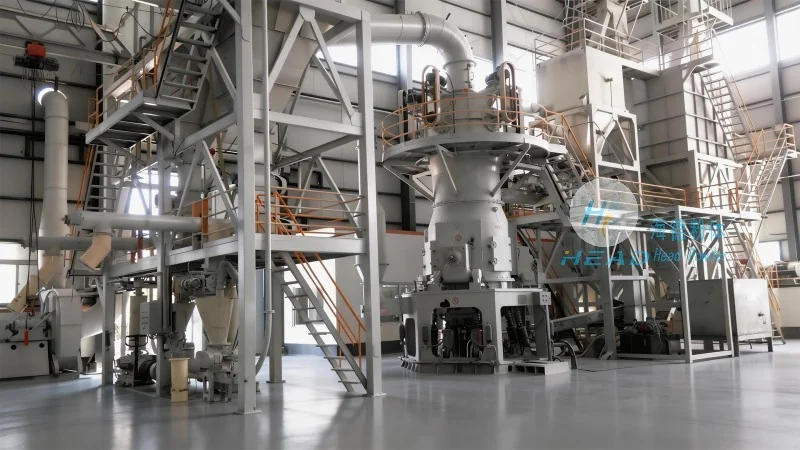
2. Vacuum Conveying: In this system, a vacuum is created at the receiving end, drawing the coffee beans into the pipeline. Vacuum systems are ideal for long-distance transport and are often used in facilities where the material needs to be collected from multiple points. They are particularly useful for handling lighter materials and can be more energy-efficient for certain applications.
3. Combined Systems: Some facilities use a combination of pressure and vacuum conveying to optimize material handling. For example, a pressure system might be used for the initial transport from the roasting area to a central storage, while a vacuum system handles the final distribution to packaging lines. This hybrid approach allows for flexibility and efficiency in complex coffee processing environments.
Applications in Coffee Processing
The classification of pneumatic conveying systems directly impacts their application in coffee processing. Each type serves specific purposes to enhance operational efficiency and product quality.
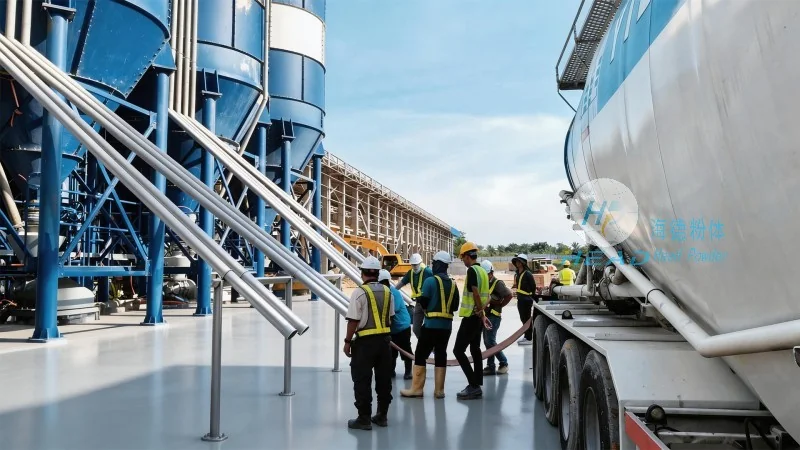
For instance, pressure conveying is commonly used in the post-roasting stage to transfer coffee beans from the roaster to the cooling and storage areas. The high pressure ensures that the beans are moved quickly and without breakage, which is critical for maintaining their aromatic properties. Vacuum conveying, on the other hand, is often employed in the initial stages of processing, such as moving raw coffee beans from storage silos to the roasting machine. The gentle suction helps prevent damage to the delicate beans, ensuring they reach the roaster in optimal condition.
In large-scale coffee production, the choice of system may also depend on the scale of operations. For small to medium-sized coffee roasting businesses, a simple vacuum system might suffice for handling smaller batches. However, for large commercial operations, a combination of pressure and vacuum systems is often necessary to manage the high volume of coffee beans efficiently. The ability to classify and select the appropriate system based on the specific needs of the coffee processing line is a key factor in optimizing the entire production process.
Company Overview: Shandong HeadPowder Engineering Co., Ltd.
Shandong HeadPowder Engineering Co., Ltd., commonly known as HeadPowder, is a leading provider of specialized engineering solutions for the food and beverage industry. With a focus on innovation and quality, the company designs and manufactures pneumatic conveying systems tailored to the unique requirements of coffee processing facilities. HeadPowder's expertise lies in understanding the specific challenges faced by coffee producers, such as maintaining product integrity, ensuring hygienic conditions, and optimizing operational efficiency. The company's products are designed to meet industry standards and are built to withstand the demands of continuous coffee bean handling.