

Pneumatic Conveying of Bentonite: How to Efficiently Transport Powdery Materials with Air Flow?
Efficiently transporting powdery materials like bentonite is a critical challenge in many industrial processes. Pneumatic conveying systems offer a solution by utilizing air flow to move these materials from one location to another. This method is particularly advantageous for handling materials that are dusty, abrasive, or require a controlled environment. In this article, we explore the principles and applications of pneumatic conveying for bentonite, highlighting how advanced systems can enhance material handling efficiency and safety.
Understanding Pneumatic Conveying Systems
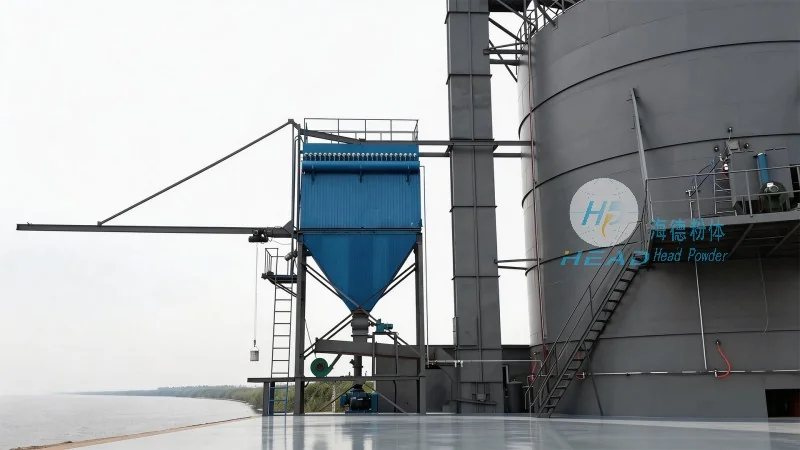
Pneumatic conveying involves the use of compressed air or gas to transport bulk materials through a pipeline. The system typically consists of a material feed hopper, a conveyor line, and a discharge point. The process begins when the material is introduced into the hopper, where it is then drawn into the pipeline by the moving air. There are two main types of pneumatic conveying systems: dilute phase and dense phase. Dilute phase systems use high-velocity air to transport material in a dispersed state, while dense phase systems use lower air velocities and higher material concentrations, which is often more suitable for handling delicate or abrasive materials like bentonite.
Key Components of a Bentonite Pneumatic Conveying System
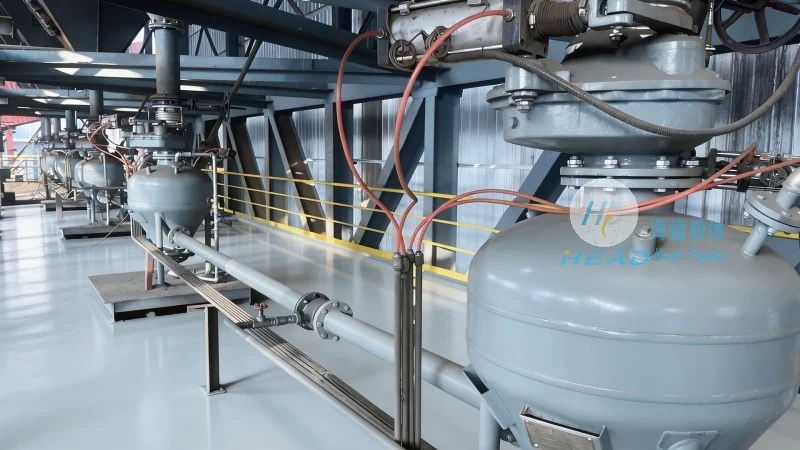
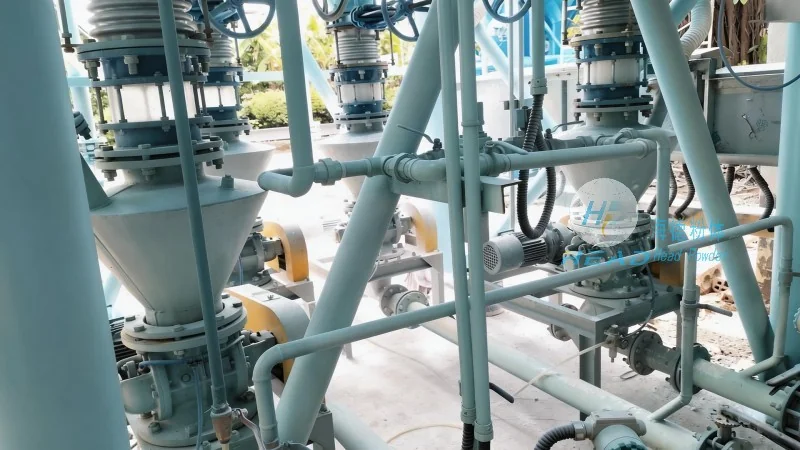
For effective bentonite transport, several key components are essential. The first is the material feed system, which may include a rotary valve or a feeder that controls the flow of bentonite into the conveyor line. This component ensures a consistent and controlled feed, preventing blockages or uneven material flow. The conveyor line itself is typically made of materials resistant to abrasion and corrosion, such as stainless steel or special plastics, to withstand the handling of bentonite. The air compressor or blower provides the necessary pressure and flow rate to move the material through the system. Additionally, a filter or separator is used to remove any excess air and collect the material at the discharge point, ensuring that the system operates efficiently and maintains material purity.
Advantages of Pneumatic Conveying for Bentonite
Implementing a pneumatic conveying system for bentonite offers several benefits. First, it eliminates the need for manual handling, reducing labor costs and improving workplace safety. The enclosed system also minimizes dust emissions, which is crucial for maintaining a clean and healthy work environment. Furthermore, pneumatic conveying allows for precise control over the material flow rate and pressure, ensuring consistent delivery to the processing equipment. This precision is vital in applications where bentonite is used as a key ingredient, such as in drilling fluids, foundry sands, or paper manufacturing. The system also reduces material degradation by preventing exposure to air and moisture, which can affect the material's properties.

Applications of Bentonite Pneumatic Conveying
Bentonite, a natural clay with high swelling properties, is widely used in various industries. Pneumatic conveying systems are employed in several applications where efficient material transport is essential. In the oil and gas industry, bentonite is used to formulate drilling fluids, and pneumatic conveying ensures that the material is delivered to the drilling site without clogging or loss. In foundry operations, bentonite is used as a binder for sand molds, and the system helps in transporting the material to the molding equipment. The paper industry also utilizes bentonite as a filler or coating agent, and pneumatic conveying ensures that the material is evenly distributed in the production process. Additionally, in the chemical and pharmaceutical sectors, bentonite is used as a filter aid or adsorbent, and the system provides a clean and efficient method for material handling.
HeadPowder's Expertise in Bentonite Pneumatic Conveying Solutions
Shandong HeadPowder Engineering Co., Ltd., a leading provider of bulk material handling solutions, specializes in designing and manufacturing pneumatic conveying systems tailored to the needs of bentonite and other powdery materials. With years of experience in the industry, HeadPowder understands the unique challenges associated with handling bentonite, such as its abrasive nature and the need for precise control. The company's engineers work closely with clients to assess their specific requirements, including material characteristics, flow rates, and operational conditions, to develop customized solutions. HeadPowder's systems are designed to maximize efficiency while minimizing maintenance and operational costs. The company's commitment to quality and innovation ensures that their pneumatic conveying solutions meet the highest standards in the industry.
Conclusion
Pneumatic conveying is a highly effective method for efficiently transporting bentonite and other powdery materials. By leveraging the power of air flow, these systems offer significant advantages over traditional material handling methods. With the expertise of companies like Shandong HeadPowder Engineering Co., Ltd., industries can implement reliable and efficient pneumatic conveying systems that enhance productivity, improve safety, and maintain material quality. As the demand for efficient material handling continues to grow, pneumatic conveying systems will remain a critical component in the processing of bentonite and other bulk materials.