

Several Solutions for Bentonite Pneumatic Conveying
When it comes to transporting bentonite, a critical industrial material, selecting the right pneumatic conveying system is essential for efficiency and reliability. Shandong HeadPowder Engineering Co., Ltd., a leading provider in the field, offers several effective solutions tailored to meet diverse operational needs. This article explores the key approaches to bentonite pneumatic conveying, highlighting the advantages and considerations for each method.
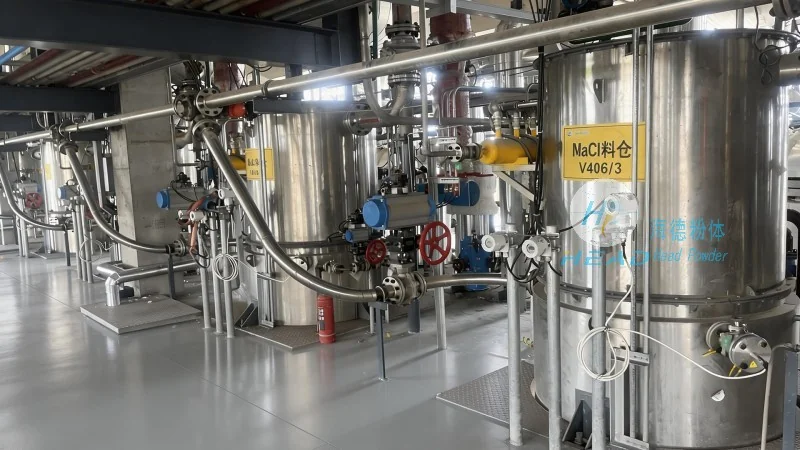
Understanding Bentonite and Pneumatic Conveying
Bentonite is a natural clay with high swelling properties, widely used in various industries such as drilling, foundry, and paper manufacturing. Pneumatic conveying, which uses air or gas to transport bulk materials, provides a flexible and efficient method for moving bentonite from storage to processing units. The choice of system depends on factors like material characteristics, distance, and system requirements.
Option 1: Positive Pressure Conveying System
Positive pressure conveying systems operate by blowing air or gas into the material stream, creating a positive pressure within the pipeline. This method is ideal for short to medium distances and can handle a wide range of particle sizes. The system typically includes a blower, a feed hopper, and a receiver. One of the main advantages is its ability to handle abrasive materials without excessive wear on components. Shandong HeadPowder Engineering Co., Ltd. specializes in designing positive pressure systems that ensure consistent flow and minimal product degradation.
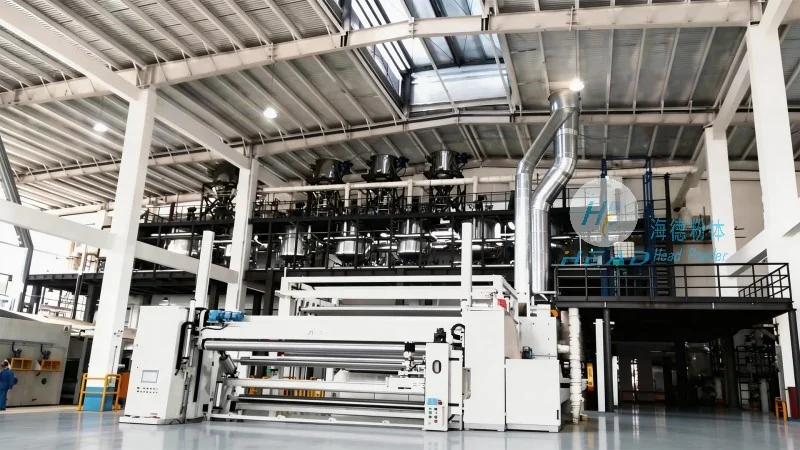
Option 2: Negative Pressure (Vacuum) Conveying System
Negative pressure systems, also known as vacuum conveying, create a vacuum in the pipeline to draw material from the source. This approach is suitable for longer distances and can handle fine powders effectively. The system comprises a vacuum pump, a hopper, and a filter to capture fine particles. A key benefit is the gentle handling of delicate materials, reducing the risk of agglomeration or breakage. For bentonite, which can be sensitive to handling, this method ensures the material retains its quality and properties.
Option 3: Mixed-Pressure Conveying System
Combining elements of both positive and negative pressure systems, mixed-pressure conveying offers flexibility for complex applications. This approach is particularly useful when transporting materials over varying distances or when integrating with existing infrastructure. The system may use a combination of blowers and vacuum pumps to optimize performance. Shandong HeadPowder Engineering Co., Ltd. develops customized mixed-pressure solutions that address specific operational challenges, ensuring efficient and cost-effective material transport.
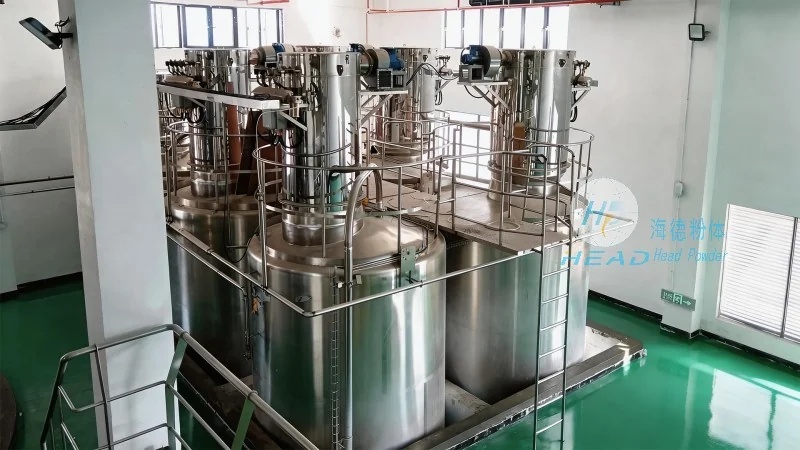
Key Considerations for Choosing a System
When selecting a bentonite pneumatic conveying system, several factors must be evaluated. The distance between the source and destination is a primary consideration, as it influences the choice between positive and negative pressure systems. Material characteristics, such as particle size, moisture content, and flowability, also play a critical role. Additionally, the system's capacity and energy efficiency are important for long-term operational costs. Shandong HeadPowder Engineering Co., Ltd. provides comprehensive consultations to help clients choose the most suitable system based on their unique requirements.
Conclusion
Shandong HeadPowder Engineering Co., Ltd. offers a range of bentonite pneumatic conveying solutions that cater to diverse industrial needs. Whether through positive pressure, negative pressure, or mixed-pressure systems, their expertise ensures efficient and reliable material transport. By understanding the specific requirements of each application, clients can select the optimal system to enhance productivity and maintain the quality of bentonite. With a focus on tailored engineering solutions, Shandong HeadPowder Engineering Co., Ltd. continues to be a trusted partner in the industry.