

Introduction to Sorghum Powder Conveying: Structure and Principle Overview
Understanding the efficient and reliable transportation of sorghum powder is crucial for industries involved in grain processing and material handling. This overview provides a detailed look at the structural design and operational principles of sorghum powder conveying systems, highlighting the key components and mechanisms that ensure smooth and effective material movement.
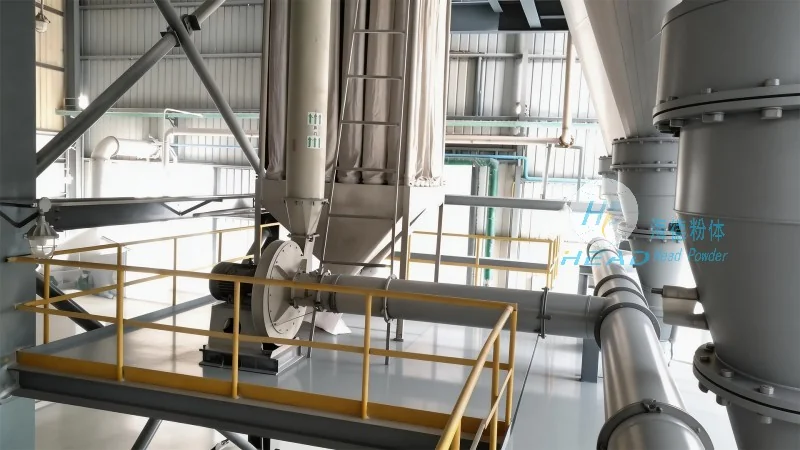
Company Overview and Expertise
HeadPowder, a leading manufacturer based in Shandong, China, specializes in engineering solutions for powder handling systems. With a focus on innovation and precision, the company has developed advanced technologies tailored to the unique challenges of conveying sorghum and other fine powders. The expertise of HeadPowder Engineering Co., Ltd. lies in designing systems that optimize performance, minimize downtime, and enhance overall operational efficiency for clients in the agricultural and industrial sectors.
Structural Components of Sorghum Powder Conveying Systems
The core of a sorghum powder conveying system consists of several interconnected components that work in harmony to transport the material from the source to the destination. These components include the hopper, conveyor, and control mechanisms, each playing a vital role in the overall functionality. The hopper serves as the initial storage and feeding unit, ensuring a consistent flow of sorghum powder into the conveyor. It is typically designed with a sloped bottom to facilitate gravity-assisted material discharge, reducing the need for excessive mechanical force.

The conveyor itself is the central element of the system, responsible for moving the powder through the pipeline. Various types of conveyors are used, such as pneumatic or mechanical systems, depending on the specific requirements of the application. Pneumatic conveyors utilize air pressure to transport the powder, while mechanical conveyors rely on rotating blades or belts to move the material. The choice of conveyor type is influenced by factors like the powder's properties, such as moisture content, particle size, and flowability, as well as the distance and elevation changes involved in the transport process.
Operational Principles and Mechanisms
The operational principles of sorghum powder conveying systems are based on fundamental physics and engineering principles. One of the primary mechanisms is the use of pressure differentials in pneumatic systems, where air is forced through the pipeline to create a flow that carries the powder particles. This method is particularly effective for fine powders that are prone to caking or agglomeration, as the air flow helps maintain particle separation and prevents blockages. In mechanical conveyors, the principle of continuous motion is applied, with rotating components like screws or belts moving the powder along the path of least resistance.
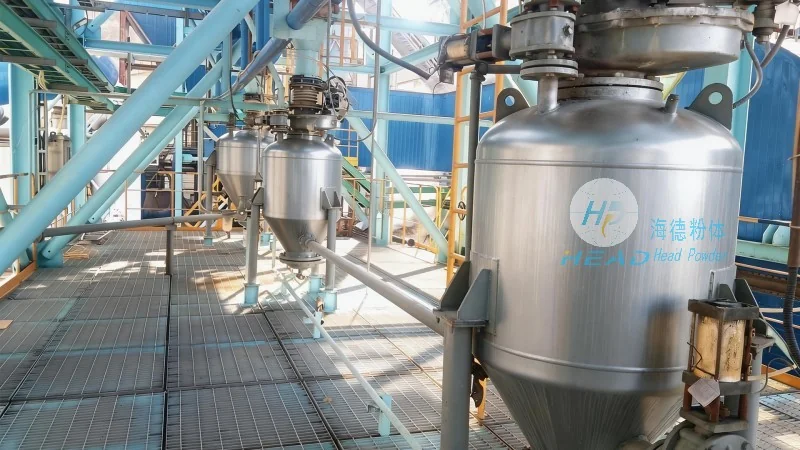
Another critical aspect is the control system, which monitors and adjusts the flow rate, pressure, and other parameters to maintain optimal performance. Sensors and feedback mechanisms are integrated into the system to detect any deviations from the desired conditions, such as changes in powder density or air pressure. This allows for real-time adjustments, ensuring that the conveying process remains stable and efficient. The control system also includes safety features to prevent overloading or system failures, protecting both the equipment and the material being transported.
Advantages and Applications
Sorghum powder conveying systems offer several advantages that make them indispensable in modern processing facilities. These systems are designed to handle large volumes of material with minimal human intervention, reducing labor costs and improving operational consistency. The compact design of many modern systems allows for integration into existing production lines without significant modifications, making them a cost-effective solution for upgrading or expanding powder handling capabilities.
The applications of sorghum powder conveying extend across various industries, including food processing, animal feed production, and chemical manufacturing. In food processing, these systems are used to transport sorghum flour and other fine powders for use in baking and snack production. In animal feed, they facilitate the efficient mixing and distribution of sorghum-based ingredients, ensuring uniformity in feed formulations. The versatility of the systems also makes them suitable for handling other similar powders, such as wheat or corn flour, making them a valuable asset for any facility dealing with bulk powders.
Maintenance and Best Practices
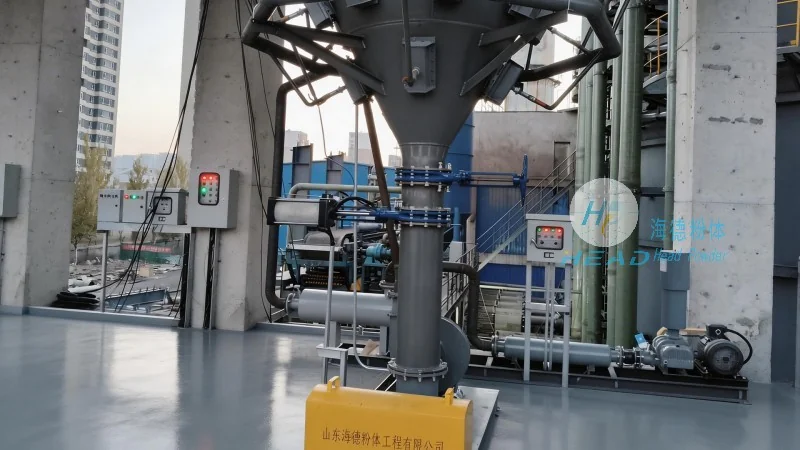
To ensure the long-term reliability and efficiency of sorghum powder conveying systems, proper maintenance and operational best practices are essential. Regular inspection of components, such as the hopper, conveyor, and control mechanisms, is necessary to identify and address any potential issues before they lead to system failures. Cleaning the system regularly, especially after handling different types of powders, helps prevent clogging and maintains optimal performance. Additionally, monitoring the system's performance parameters, such as pressure and flow rates, provides valuable insights into its health and allows for proactive maintenance.
Training operators on the proper use and maintenance of the system is another critical aspect of ensuring its longevity. Proper training ensures that operators understand the system's capabilities and limitations, reducing the risk of misuse or accidents. Following manufacturer guidelines for maintenance schedules and procedures also helps maximize the system's lifespan and minimize downtime. By adhering to these best practices, facilities can ensure that their sorghum powder conveying systems operate at peak efficiency, delivering consistent results and contributing to overall operational success.