

Introduction to Carbon Powder Handling and Structural Principles
Carbon powder handling systems are critical components in various industrial applications, particularly in sectors that rely on the efficient transport and management of carbon-based materials. The proper design and operation of these systems ensure safety, efficiency, and product integrity. This article provides an overview of carbon powder handling technologies, focusing on the structural principles that underpin their functionality.

Company Overview: HeadPowder
HeadPowder, formally known as Shandong HeadPowder Engineering Co., Ltd., is a leading provider of specialized engineering solutions for powder handling and material processing. With operations based in Shandong, China, the company has established itself as a trusted partner in the development and implementation of advanced carbon powder handling systems. HeadPowder’s expertise lies in understanding the unique challenges associated with carbon powders, such as their abrasive nature, potential for static charge accumulation, and the need for precise control during transport.
Key Structural Components of Carbon Powder Handling Systems
The structural design of carbon powder handling systems is tailored to address the specific properties of carbon powders. These systems typically incorporate several key components that work in concert to ensure reliable operation. One of the primary components is the feeding mechanism, which may include hoppers, feeders, or rotary valves designed to regulate the flow of carbon powder from storage silos or bulk containers. The feeding system is critical for preventing material bridging or clogging, which can occur due to the cohesive nature of carbon powders.
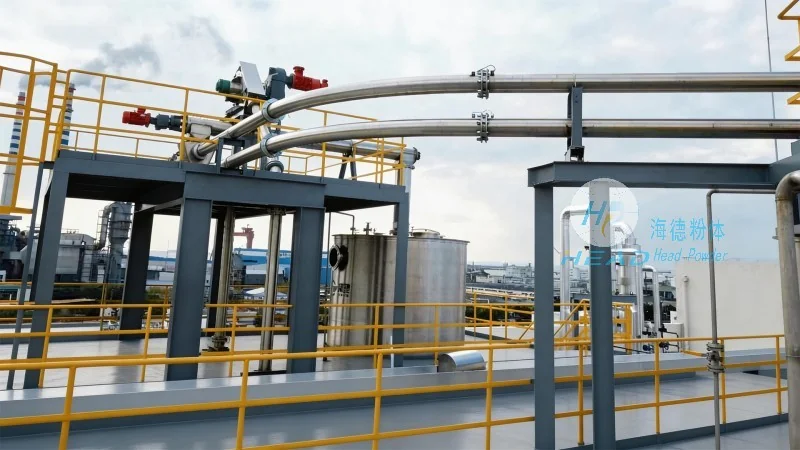
Conveying equipment, such as pneumatic or mechanical conveyors, is another essential part of the system. Pneumatic conveyors use air pressure to transport carbon powder through pipelines, while mechanical conveyors rely on screw, belt, or bucket mechanisms. The choice of conveyor type depends on factors like material characteristics, distance to be covered, and the required flow rate. For carbon powders, which may be prone to static charge, anti-static measures are often integrated into the conveyor design to prevent dust accumulation and ensure safe operation.
Material Handling and Storage Solutions
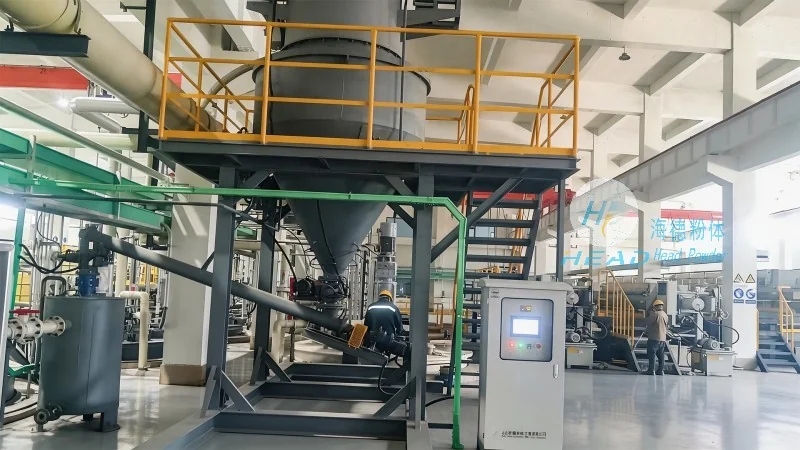
Effective carbon powder handling also involves robust storage and storage solutions. Bulk storage silos are commonly used to store large quantities of carbon powder, and these silos are typically equipped with internal agitators or vibrators to prevent material settling and maintain consistent flow. The silo design may include a cone bottom or a hopper with a conical shape to facilitate discharge. Additionally, the storage system may incorporate dust collection and filtration equipment to manage airborne particles and maintain a clean working environment.
Transfer points and junctions are critical components that connect different parts of the handling system. These points often include rotary airlocks or gate valves to control the flow of carbon powder between conveyors or silos. Proper sealing and maintenance of these components are essential to prevent material leakage and contamination. The structural integrity of these transfer points is also vital, as carbon powders can be abrasive and may cause wear over time.
Control and Monitoring Systems
Modern carbon powder handling systems are equipped with advanced control and monitoring technologies to enhance operational efficiency and safety. These systems may include level sensors, pressure gauges, and flow meters to provide real-time data on material levels, pressure, and flow rates. Automation software can be integrated to regulate the operation of feeders, conveyors, and other components based on these inputs, optimizing the handling process and reducing the risk of overfilling or underfilling.
Additionally, monitoring systems may include dust monitoring devices to detect and control airborne particulate levels, ensuring compliance with environmental regulations. The control panel, often located in a central control room, allows operators to manage the entire system from a single interface, improving overall operational efficiency and reducing the need for manual intervention.
Safety and Maintenance Considerations
Due to the potential hazards associated with carbon powders, such as dust explosions or respiratory issues, safety is a paramount consideration in system design. Carbon powders can be combustible when mixed with air in certain concentrations, making explosion-proof designs and proper ventilation critical. The handling system may incorporate explosion relief panels or flame arrestors to mitigate the risk of explosions. Additionally, grounding and bonding systems are used to prevent static charge buildup, which can lead to sparks and ignition sources.
Maintenance is another key aspect of ensuring the long-term performance of carbon powder handling systems. Regular inspections and maintenance of components like bearings, seals, and conveyor belts are necessary to prevent equipment failure and extend the lifespan of the system. The abrasive nature of carbon powders can cause wear on metal surfaces, so materials with high wear resistance, such as stainless steel or specialized coatings, are often used in critical areas.
Conclusion
In summary, carbon powder handling systems rely on a combination of specialized structural components and advanced control technologies to ensure efficient and safe operation. The design of these systems must account for the unique properties of carbon powders, including their abrasive nature, static charge potential, and flow characteristics. Companies like HeadPowder, with their expertise in engineering and material handling, play a crucial role in developing and implementing these systems to meet the demands of various industrial applications. By understanding the structural principles and operational requirements of carbon powder handling, industries can optimize their processes, enhance safety, and maintain product quality.