

Introduction to Ammonia Fertilizer Powder Handling Systems and Structural Principles
Ammonia fertilizer powder handling is a critical process in modern agriculture and industrial operations, focusing on the efficient and safe transportation of nitrogen-rich fertilizers. This process is essential for maintaining crop productivity and supporting the global food supply chain. The systems used for ammonia fertilizer powder handling are engineered to address the unique challenges posed by these materials, including their high reactivity, moisture sensitivity, and the need for precise control during transport. Understanding the structural principles behind these systems is crucial for optimizing performance and ensuring operational safety.
Key Components and Their Functional Roles
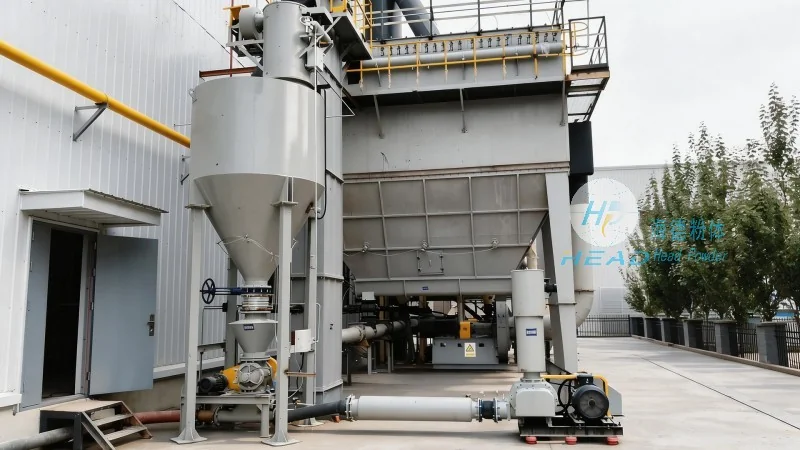
The ammonia fertilizer powder handling system comprises several interconnected components, each playing a vital role in the overall process. The primary components include feeders, conveyors, storage silos, and control systems. Feeders, such as rotary or vibratory types, regulate the flow of fertilizer from storage to the conveyor, ensuring a consistent discharge rate. Conveyors, typically pneumatic or mechanical, transport the powder through the system, often using air pressure or mechanical force to move the material. Storage silos are used to hold large quantities of fertilizer, providing a buffer for supply and demand fluctuations. Control systems monitor and adjust the operation of these components, using sensors and automation to maintain optimal performance and safety.
Structural Design Considerations for Safety and Efficiency
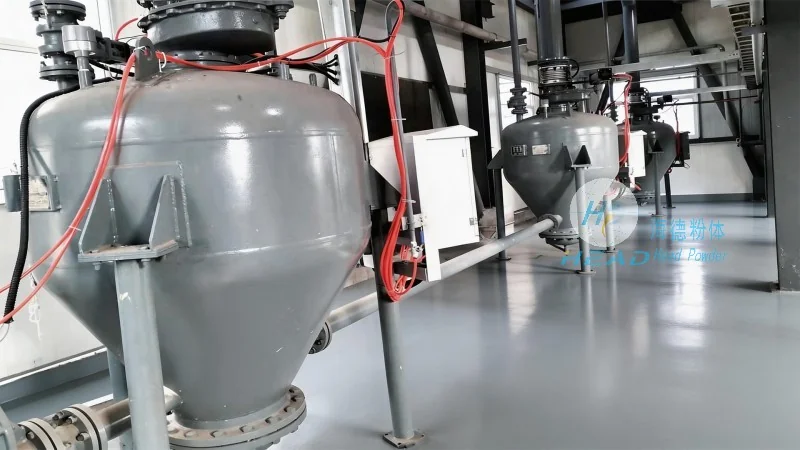
Structural design is a fundamental aspect of ammonia fertilizer powder handling systems, as it directly impacts safety and efficiency. Key design principles include the use of smooth, non-stick surfaces to prevent powder adhesion and blockages. The internal surfaces of silos and chutes are often lined with materials like stainless steel or polyethylene to minimize material buildup. Proper slope angles in chutes and silos are critical to ensure gravity-assisted flow, reducing the risk of stagnant material that can lead to spoilage or safety hazards. Additionally, the systems incorporate explosion-proof features to address the flammability of ammonia, including pressure relief valves and spark-proof motors. These design elements collectively contribute to a safe and reliable operation.
HeadPowder Engineering: A Leader in Ammonia Fertilizer Handling Solutions
Shandong HeadPowder Engineering Co., Ltd., commonly known as HeadPowder, is a prominent engineering firm specializing in powder handling technologies. HeadPowder has established itself as a trusted provider of customized solutions for ammonia fertilizer handling, combining advanced engineering with practical application expertise. The company's headquarters are located in Shandong, China, where they leverage local industrial resources and expertise to develop innovative products. HeadPowder's team of engineers and technicians work closely with clients to understand their specific needs, designing systems that meet both functional and safety requirements. The company's commitment to quality and customer satisfaction has earned it a reputation as a reliable partner in the fertilizer handling industry.
Applications and Benefits in Agricultural and Industrial Settings
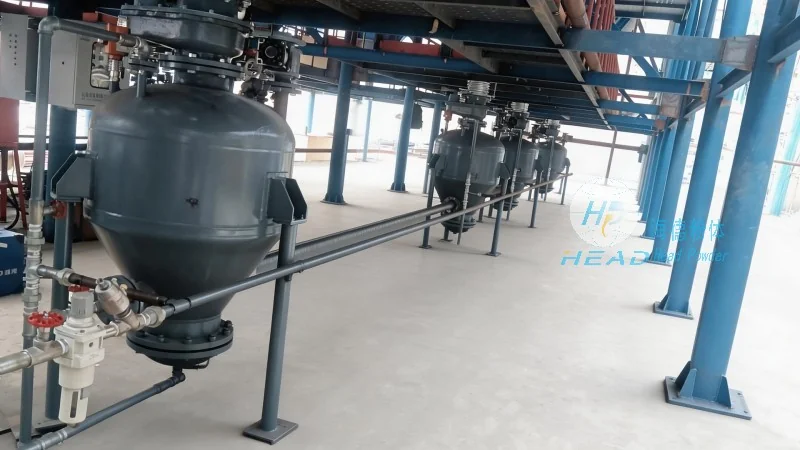
Ammonia fertilizer powder handling systems are widely utilized in agricultural settings, where they facilitate the distribution of nitrogen-rich fertilizers to farms and fields. The benefits of these systems extend beyond mere transportation; they enhance operational efficiency by reducing labor costs and minimizing material loss. By ensuring consistent and controlled delivery of fertilizer, these systems contribute to improved crop yields and sustainable agricultural practices. In industrial applications, such as chemical manufacturing and food processing, ammonia fertilizer handling systems are integrated into larger production lines, supporting the production of other nitrogen-based products. The adaptability of these systems to various scales, from small-scale farm operations to large industrial facilities, makes them a versatile solution for different market segments.