

Introduction to Refractory Materials Pneumatic Conveying System Equipment: Structure and Principle O
For industrial applications involving the handling of refractory materials, efficient and reliable material transport is crucial. The pneumatic conveying system, as a key component in material processing, offers a solution that combines advanced engineering with practical functionality. This overview delves into the equipment used for refractory materials pneumatic conveying, exploring its structural design and operational principles to provide a comprehensive understanding of the technology.
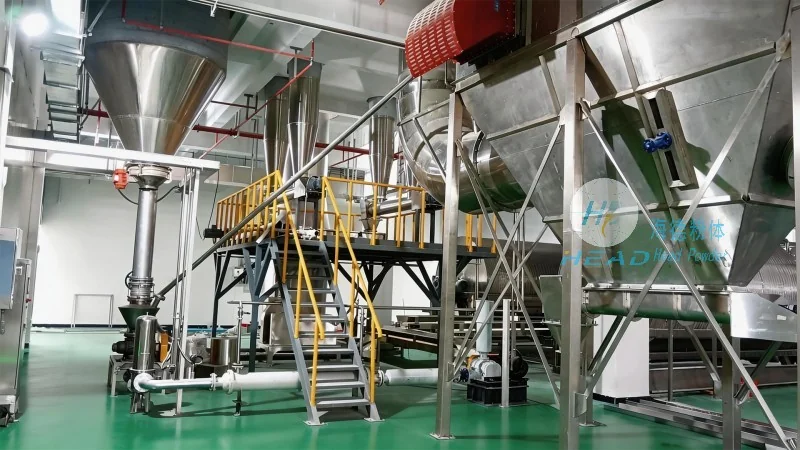
Overview of Pneumatic Conveying Systems for Refractory Materials
Shandong HeadPowder Engineering Co., Ltd., a leading manufacturer based in Shandong, China, specializes in the design and production of pneumatic conveying systems tailored for refractory materials. These systems are engineered to handle the unique properties of refractory materials, such as high temperature resistance, abrasive nature, and varying particle sizes, ensuring safe and efficient material transport. The company's expertise lies in integrating robust components that can withstand the demanding conditions associated with refractory material processing.
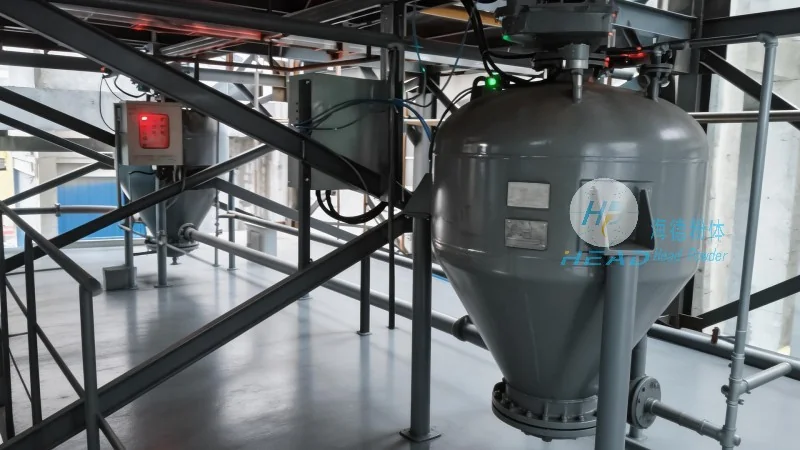
Key Equipment Components in Refractory Materials Pneumatic Conveying
The pneumatic conveying system for refractory materials typically consists of several critical components, each playing a vital role in the overall operation. These components include the material hopper, feeder, air compressor, conveying line, and dust collection system. The material hopper is designed to store the refractory materials and provide a controlled feed to the system. It is often equipped with a discharge valve to regulate the flow of material into the feeder. The feeder, which may be a rotary valve or a screw feeder, ensures a consistent and controlled supply of material to the conveying line. The air compressor generates the necessary pressure and airflow to move the material through the system. The conveying line, usually made of durable materials like stainless steel or special alloys, is designed to withstand the abrasive nature of refractory particles. The dust collection system, including filters and cyclones, is essential for maintaining air quality and preventing dust accumulation in the system.
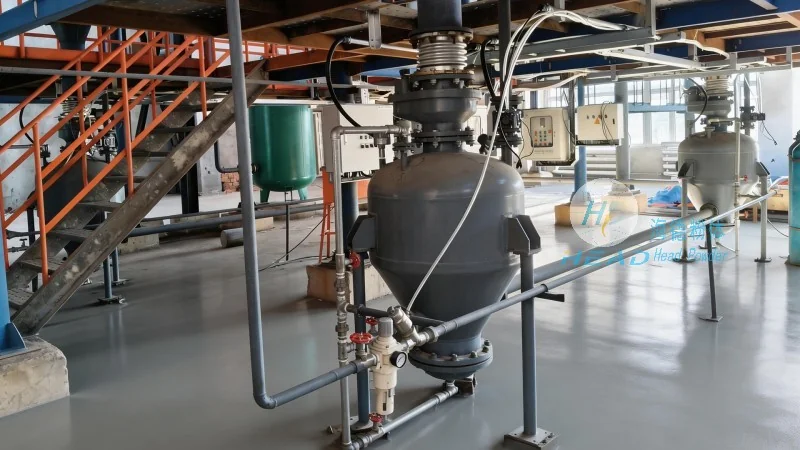
Structural Design and Operational Principles
The structural design of the refractory materials pneumatic conveying system is optimized for both efficiency and durability. The system operates on the principle of using compressed air to transport material particles in a fluidized state. As air is introduced into the conveying line, it creates a low-pressure zone that draws the material particles into the line. The air and material mixture travels through the line, with the air providing the necessary momentum to move the particles. The design of the conveying line, including bends and elbows, is carefully engineered to minimize pressure loss and ensure smooth material flow. The system also incorporates features such as pressure relief valves and check valves to prevent backflow and maintain system stability.
Advantages of Using Pneumatic Conveying for Refractory Materials
Implementing a pneumatic conveying system for refractory materials offers several advantages over traditional methods like belt conveyors or bucket elevators. The primary advantage is the ability to handle materials in a dust-free environment, which enhances workplace safety and reduces the risk of fire or explosion. Additionally, the system provides a more hygienic and controlled transport process, which is particularly important for materials used in high-temperature applications. The system also offers flexibility in terms of layout, as it can be installed in various configurations to suit different plant layouts. Furthermore, the use of compressed air allows for the transport of materials over long distances with minimal energy consumption compared to other methods.
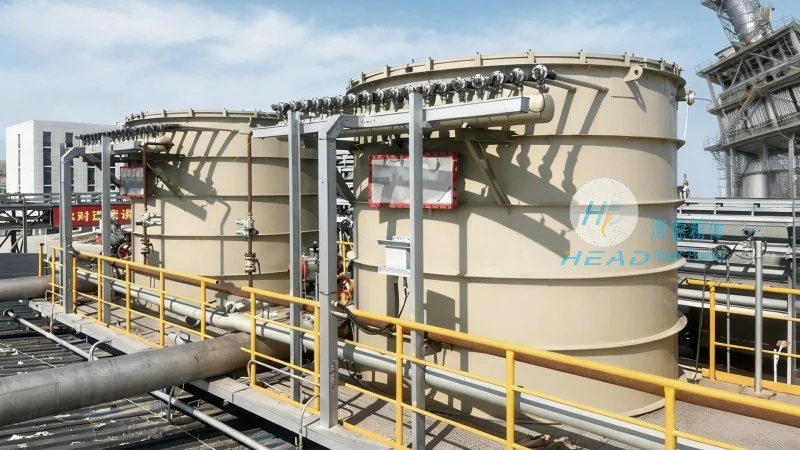
Application Examples and Industry Impact
The pneumatic conveying systems manufactured by Shandong HeadPowder Engineering Co., Ltd. are widely used in various industries that rely on refractory materials. These include the ceramics industry, where materials like clay and silica are transported to kilns and processing equipment. In the steel industry, refractory materials are used to line furnaces and other equipment, and the pneumatic conveying system ensures efficient delivery of these materials to the production lines. The system is also used in the foundry industry for transporting sand and other refractory materials used in mold making. The consistent and reliable performance of these systems has a positive impact on production efficiency and product quality in these industries.