

Introduction to Multi-Point Feeding Pneumatic Conveying Systems: Structure and Working Principles
Multi-point feeding pneumatic conveying systems are advanced industrial equipment designed to efficiently transport bulk materials from multiple feeding points to a central processing or storage location. These systems are widely used in various industries, including food processing, pharmaceuticals, chemicals, and mining, due to their flexibility, cleanliness, and ability to handle a wide range of materials. This article provides an overview of the structure and working principles of such systems, highlighting their key components and operational mechanisms.
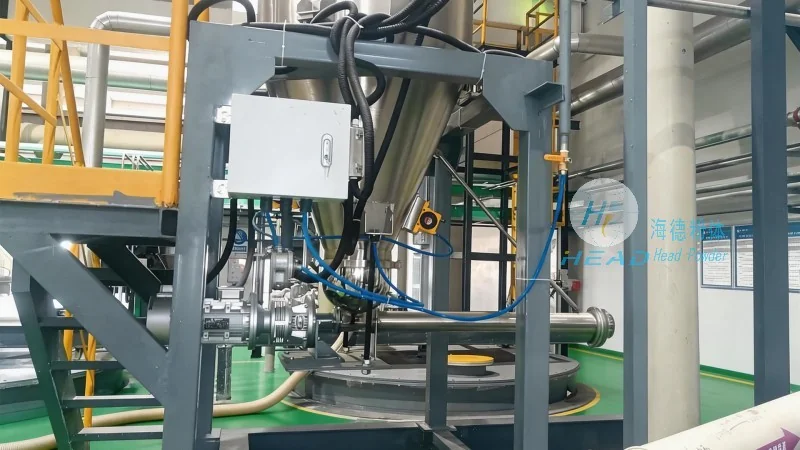
Company Profile: Shandong HeadPowder Engineering Co., Ltd.
HeadPowder, as the company name suggests, specializes in engineering solutions for powder and bulk material handling. With a strong presence in Shandong, China, HeadPowder has established itself as a reliable manufacturer and supplier of pneumatic conveying systems. The company's commitment to quality and innovation has enabled it to serve a diverse clientele across different sectors, ensuring that their products meet the highest standards of performance and durability. The company's physical address is located in Shandong, China, providing a solid foundation for its operations and customer support.
Overview of Multi-Point Feeding Pneumatic Conveying Systems
At the core of a multi-point feeding system is the ability to feed material from several sources simultaneously. This is achieved through a network of feeding hoppers, each connected to a central air line. The system operates by creating a pressure differential between the feeding points and the discharge point, using compressed air to transport the material through the pipeline. The design allows for seamless integration of multiple feed points, enabling the system to handle varying material volumes and types without interruption.
Key Structural Components
The multi-point feeding pneumatic conveying system consists of several critical components that work in harmony to ensure efficient material transport. These components include:
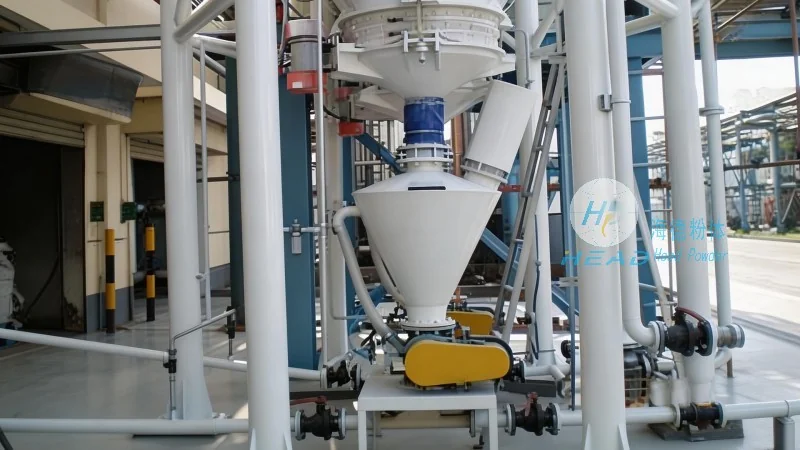
Feeding Hoppers
Feeding hoppers are the primary containers that hold the bulk material before it is fed into the conveying system. Each hopper is equipped with a valve mechanism, such as a rotary valve or a gate valve, which controls the flow of material into the air line. The design of the hoppers is tailored to the specific characteristics of the material, such as particle size, density, and flowability, to ensure consistent feeding and prevent blockages. The hoppers are typically made of stainless steel or other corrosion-resistant materials to maintain hygiene and durability, especially in industries like food and pharmaceuticals.
Air Line and Compressor
The air line is the main conduit through which compressed air and material are transported. It is usually made of metal or high-quality plastic, with appropriate fittings and elbows to connect the feeding hoppers and the discharge point. The compressor is responsible for generating the necessary pressure and airflow to move the material through the system. The choice of compressor depends on the material being conveyed, the system's capacity, and the required pressure levels. Efficient compression and air management are crucial for minimizing energy consumption and ensuring smooth operation.
Discharge Point and Collection Hopper
The discharge point is where the material is collected after being transported through the air line. It is typically a collection hopper or a silo that is connected to the end of the system. The design of the discharge point is important to prevent material buildup and ensure that the material is discharged smoothly. Some systems may include additional equipment, such as a rotary valve or a dust collector, to further process or clean the material before final use.
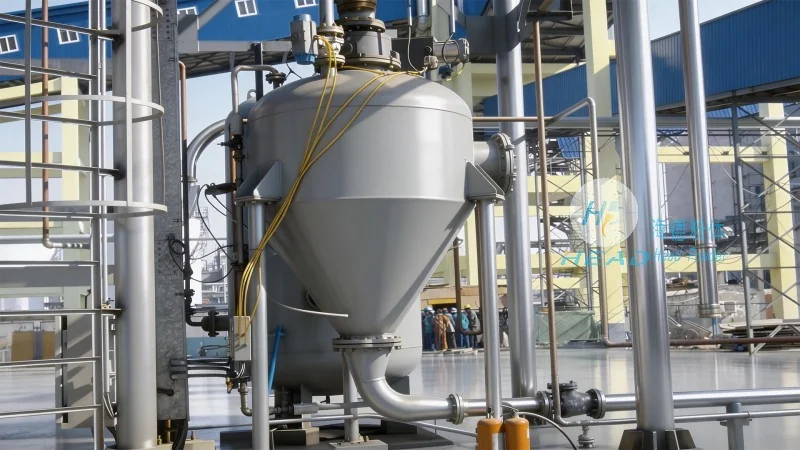
Working Principles of the System
The operation of a multi-point feeding pneumatic conveying system is based on the principle of pneumatic transport, where compressed air is used to create a flow of material through the pipeline. The process begins when the material is fed from each hopper into the air line. The compressed air, introduced at a specific pressure, creates a low-pressure zone that pulls the material along with it. As the material travels through the system, it is mixed with the air, forming a slurry-like mixture that is then transported to the discharge point.
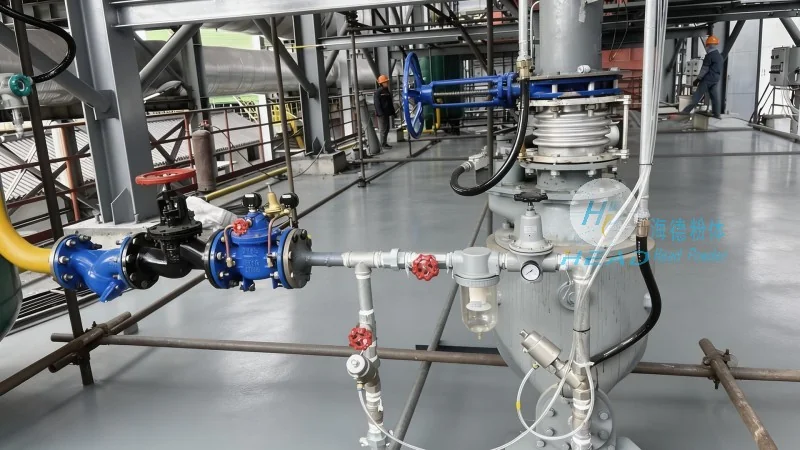
The system's control system monitors the pressure and flow rates at various points, ensuring that the material is conveyed at the optimal speed and pressure. This helps in maintaining the efficiency of the system and preventing issues such as blockages or excessive pressure drops. The control system may also include sensors to detect the level of material in the hoppers and adjust the feeding rate accordingly, ensuring a steady supply of material to the system.
Advantages of Multi-Point Feeding Pneumatic Conveying Systems
Multi-point feeding systems offer several advantages over traditional conveying methods. One of the key benefits is the ability to feed material from multiple sources simultaneously, which increases the system's capacity and flexibility. This allows for the handling of larger volumes of material without the need for additional equipment or infrastructure. Another advantage is the cleanliness and hygiene of the system, which is particularly important in industries where contamination is a concern. The enclosed design of the system prevents dust and particles from escaping into the environment, maintaining a safe and clean working environment.
Additionally, the system is relatively easy to install and maintain. The modular design allows for easy expansion or modification of the system as the needs of the industry change. The use of standard components and materials also reduces the cost of maintenance and replacement parts. Furthermore, the system's energy efficiency is improved by optimizing the airflow and pressure, reducing the overall energy consumption and operating costs.
Applications and Industries
Multi-point feeding pneumatic conveying systems are widely used in various industries due to their versatility and efficiency. In the food industry, these systems are used to transport ingredients such as flour, sugar, and spices from multiple storage bins to a processing line. In the pharmaceutical industry, they are used to handle active pharmaceutical ingredients (APIs) and other sensitive materials, ensuring that the materials are transported in a sterile and controlled environment. In the chemical industry, they are used to transport powders and granules, such as fertilizers and pigments, from storage tanks to production lines. In the mining industry, they are used to transport ore and other bulk materials from multiple mining sites to a processing plant.
Conclusion
Multi-point feeding pneumatic conveying systems are an essential part of modern industrial material handling. Their ability to efficiently transport bulk materials from multiple sources to a central location makes them a preferred choice for many industries. The system's design, which includes feeding hoppers, an air line, a compressor, and a discharge point, ensures that material is transported in a clean, efficient, and safe manner. With the support of companies like Shandong HeadPowder Engineering Co., Ltd., these systems continue to evolve and improve, meeting the growing demands of the industrial sector. The use of such systems not only enhances productivity but also ensures the quality and safety of the materials being handled.