

Introduction to Large-Scale Pneumatic Conveying Systems: Structure and Working Principles
Large-scale pneumatic conveying systems represent a critical technology in modern material handling, offering efficient and flexible solutions for transporting bulk materials over long distances. These systems utilize compressed air or other gases to move powders, granules, and other particulate materials through a network of pipes and components. The design and operation of such systems are governed by a combination of mechanical engineering principles and fluid dynamics, ensuring reliable and consistent material transport. This article provides an overview of the structural components and operational principles of large-scale pneumatic conveying systems, highlighting their key features and applications.
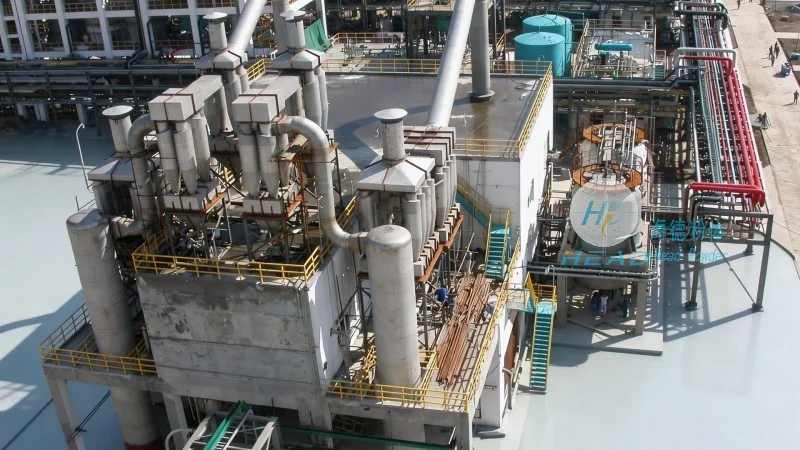
Key Structural Components of Large-Scale Pneumatic Conveying Systems
The core structure of a large-scale pneumatic conveying system consists of several essential components that work in tandem to achieve effective material transport. The primary elements include the material feed hopper, which stores and regulates the flow of the bulk material; the air supply unit, typically a blower or compressor, that generates the necessary pressure and airflow; and the conveying pipeline, which forms the main pathway for the material and air mixture. Additionally, the system may incorporate various auxiliary components such as rotary valves, which control the material discharge at the end of the pipeline, and filters or cyclones, which separate the material from the air at the receiving end. Each component plays a crucial role in maintaining the system's efficiency and preventing material degradation or system blockages.
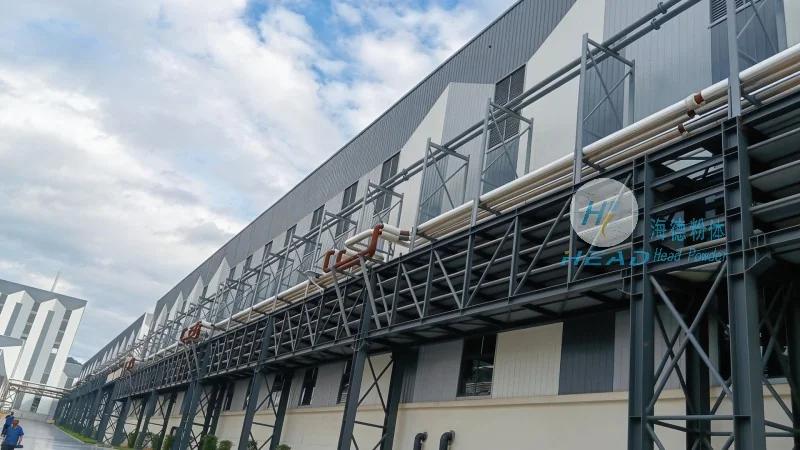
Working Principles of Large-Scale Pneumatic Conveying Systems
The operational principle of large-scale pneumatic conveying systems is based on the creation of a high-velocity air stream within the conveying pipeline. When the material is introduced into the system, it is entrained by the moving air, forming a suspension that travels through the pipeline. The air velocity is maintained at a level sufficient to keep the material particles suspended, preventing settling or clogging. The system can operate in either positive pressure or negative pressure modes, depending on the application and material characteristics. In positive pressure systems, the entire pipeline is pressurized, pushing the material forward, while negative pressure systems create a vacuum at the receiving end, pulling the material through the pipeline. The choice between these modes depends on factors such as material properties, pipeline length, and the need for containment or environmental control.
Applications and Advantages of Large-Scale Pneumatic Conveying Systems
Large-scale pneumatic conveying systems are widely used in various industries, including food processing, pharmaceuticals, chemicals, and mining, due to their ability to handle a diverse range of materials with minimal product contamination. One of the key advantages of these systems is their flexibility in handling different material types, from fine powders to coarse granules, without the need for mechanical contact or additional processing steps. This reduces the risk of material degradation, cross-contamination, or loss of product quality. Additionally, pneumatic conveying systems offer high transport speeds and can cover long distances, making them suitable for large-scale industrial operations. The modular design of these systems allows for easy expansion or integration with existing production lines, providing scalability and adaptability to changing production needs. Furthermore, the enclosed nature of the system helps maintain a controlled environment, which is particularly important for sensitive materials that require strict hygiene or environmental standards.
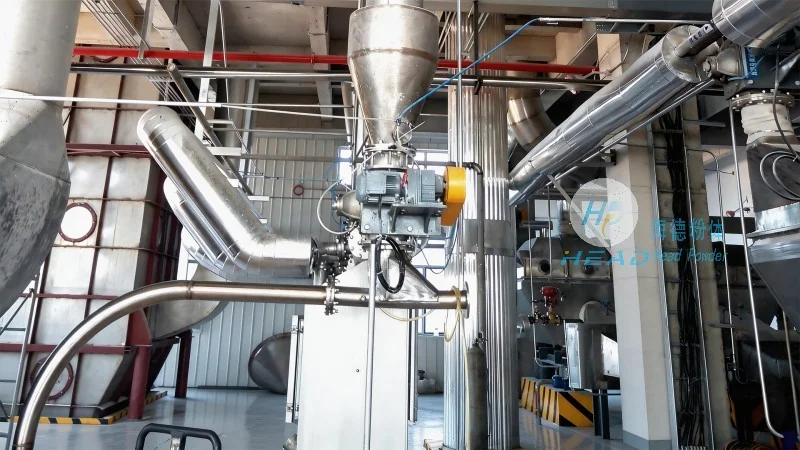
About Shandong HeadPowder Engineering Co., Ltd.
Shandong HeadPowder Engineering Co., Ltd., operating under the brand name headpowder, is a leading manufacturer and supplier of large-scale pneumatic conveying systems. With a strong focus on engineering excellence and customer satisfaction, the company has established itself as a trusted partner in the material handling industry. HeadPowder specializes in designing and manufacturing customized pneumatic conveying solutions tailored to the specific needs of its clients, ensuring optimal performance and reliability. The company's facilities are located in Shandong, China, where it leverages advanced manufacturing technologies and a skilled workforce to produce high-quality equipment. HeadPowder's commitment to innovation and quality has enabled it to serve a wide range of industries, providing durable and efficient pneumatic conveying systems that meet international standards. By combining technical expertise with practical application knowledge, HeadPowder continues to deliver solutions that enhance operational efficiency and reduce costs for its customers.