

Introduction to Tank Truck Pneumatic Conveying Equipment: Structure and Working Principles
For industrial operations involving bulk material handling, the tank truck pneumatic conveying system represents a critical piece of equipment. This technology, provided by Shandong HeadPowder Engineering Co., Ltd., a leading manufacturer in the field, offers efficient and reliable solutions for transporting various powders and granules. The following overview details the structure and operational principles of this equipment, highlighting its key components and functional mechanisms.
Overview of Tank Truck Pneumatic Conveying Equipment
The tank truck pneumatic conveying system is designed to transfer bulk materials from a storage silo or hopper into a tank truck or other containers using air pressure. This method eliminates the need for manual handling and reduces the risk of material contamination or spillage. The system is particularly suitable for transporting materials such as cement, flour, chemicals, and other fine or dusty powders that require gentle and controlled movement.
Key Components of the Pneumatic Conveying System
The tank truck pneumatic conveying equipment consists of several essential components that work in tandem to achieve efficient material transfer. These include the material feed hopper, air compressor, conveying pipeline, dust collector, and the tank truck itself. Each component plays a vital role in the overall operation of the system.
Material Feed Hopper
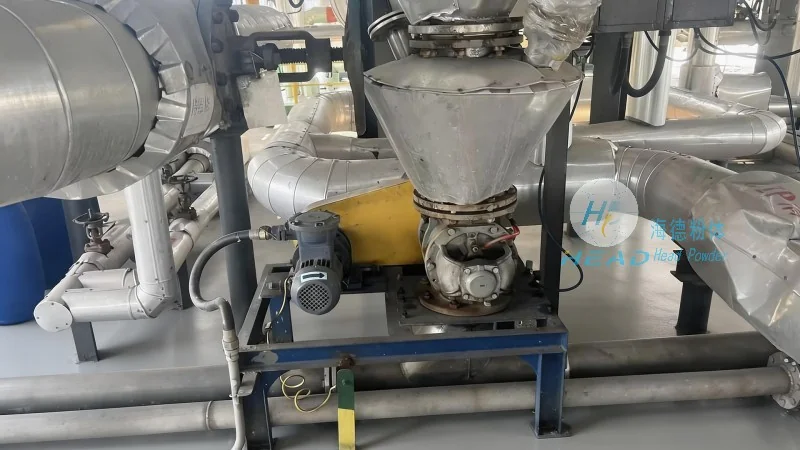
The material feed hopper is the entry point for the bulk material. It is typically equipped with a rotary valve or a gate valve to control the flow of material into the conveying system. The hopper is designed to prevent material buildup and ensure a consistent feed rate. The design of the hopper also helps in maintaining the material's quality by minimizing exposure to air and moisture.
Air Compressor and Pressure Control
The air compressor is the heart of the pneumatic conveying system, responsible for generating the necessary air pressure to move the material through the pipeline. The compressor is usually a positive displacement type, such as a rotary screw or a reciprocating compressor, which can deliver the required volume and pressure. The system also includes pressure control valves and regulators to maintain stable pressure levels and prevent over-pressurization.
Conveying Pipeline and Air Distribution
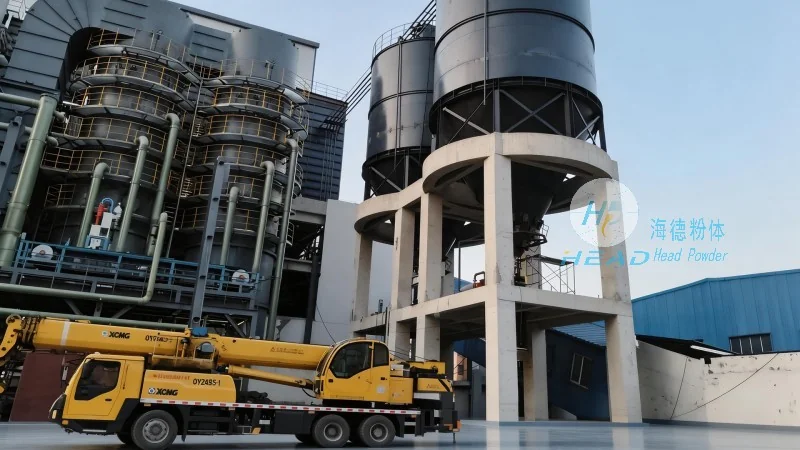
The conveying pipeline is made of materials such as stainless steel or plastic, depending on the nature of the material being transported. The pipeline is designed to withstand the pressure and temperature conditions of the conveying process. The system uses a network of pipes with appropriate fittings and elbows to direct the material from the hopper to the tank truck. Air distribution within the pipeline is crucial to ensure uniform material flow and prevent blockages.
Dust Collector and Filtration System
Due to the nature of the materials being transported, a dust collector is essential to capture and filter the air that exits the system. This component helps in maintaining a clean and safe working environment by removing fine particles from the air. The dust collector typically includes a filter bag or cartridge system that can be cleaned or replaced as needed. The filtered air is then released back into the environment or recycled back into the system.
Working Principle of the Pneumatic Conveying Process
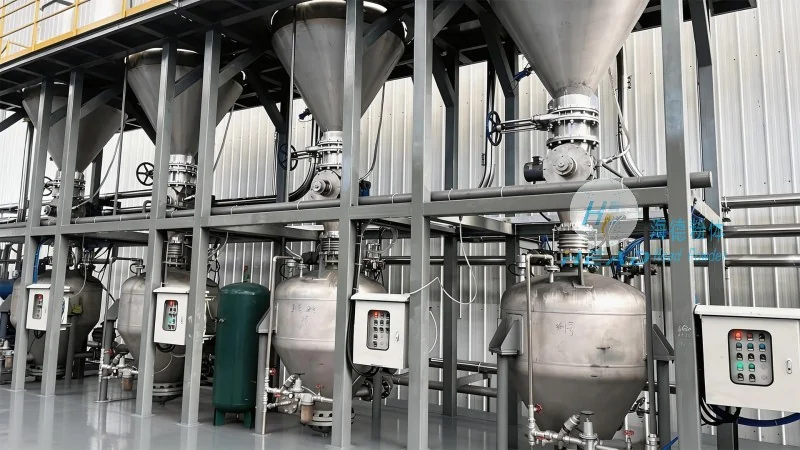
The operation of the tank truck pneumatic conveying system involves several steps. First, the bulk material is fed into the hopper from a storage silo. The rotary valve then controls the flow of material into the conveying pipeline. The air compressor generates high-pressure air, which is introduced into the pipeline at the hopper end. The air and material mixture travels through the pipeline, with the air providing the necessary force to move the material. The material is then discharged into the tank truck at the receiving end. The system uses a combination of positive and negative pressure to achieve the desired conveying effect.
Advantages of Tank Truck Pneumatic Conveying
The tank truck pneumatic conveying system offers several advantages over traditional material handling methods. These include reduced labor costs, improved material quality by minimizing exposure to air and moisture, and increased safety by eliminating manual handling. The system also provides flexibility in terms of material transport, as it can be easily adjusted to handle different types of materials and transport distances.
Applications and Industries
The tank truck pneumatic conveying equipment is widely used in various industries, including construction, food processing, chemical manufacturing, and pharmaceuticals. It is particularly suitable for industries that require the transport of fine powders or granules over long distances. The system can be customized to meet the specific needs of different applications, such as varying material types, transport volumes, and environmental conditions.
Maintenance and Operational Considerations
To ensure the efficient and reliable operation of the tank truck pneumatic conveying system, regular maintenance is essential. This includes checking the air compressor for proper performance, inspecting the conveying pipeline for leaks or blockages, and cleaning the dust collector regularly. The system should also be operated within the recommended pressure and flow rates to prevent damage to the components. Proper training of operators is also crucial to ensure safe and effective operation.
Conclusion
Shandong HeadPowder Engineering Co., Ltd. provides high-quality tank truck pneumatic conveying equipment that is designed to meet the demanding requirements of modern industrial operations. The system's robust structure and efficient working principles make it an ideal solution for bulk material handling. By understanding the key components and operational mechanisms of this equipment, users can optimize its performance and ensure its long-term reliability.