

Intermittent Inflation Tank Pneumatic Conveying Equipment: Introduction and Structural Principles
HeadPowder, a leading manufacturer based in Shandong, China, specializes in the design and production of advanced pneumatic conveying systems. This article provides an in-depth overview of the intermittent inflation tank type pneumatic conveying equipment, focusing on its structural design and operational principles.
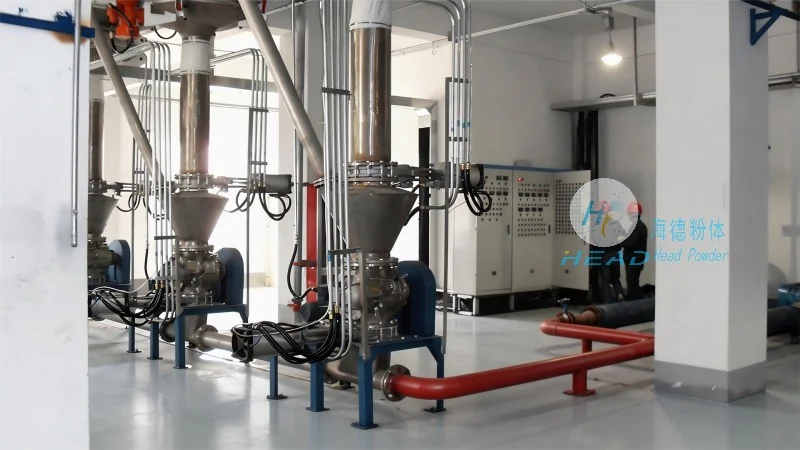
Overview of Intermittent Inflation Tank Pneumatic Conveying Equipment
Intermittent inflation tank pneumatic conveying equipment is a specialized system used for the efficient transportation of bulk materials over medium to long distances. Unlike continuous flow systems, this equipment operates by periodically inflating and deflating a tank to create a controlled airflow, enabling the movement of materials such as powders, granules, and other particulate substances. The system is widely utilized in industries including food processing, chemical manufacturing, and pharmaceuticals, where maintaining product integrity and minimizing contamination are critical.
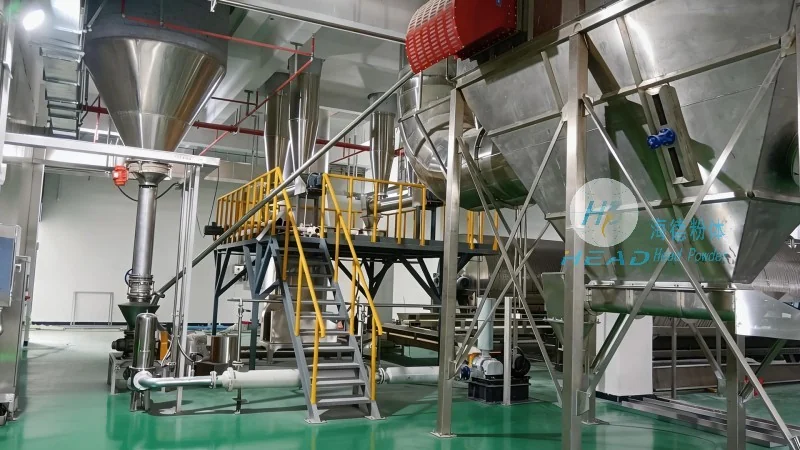
Structural Components and Design
The intermittent inflation tank pneumatic conveying system consists of several key components that work in concert to ensure reliable operation. The primary components include the inflation tank, air compressor, material hopper, conveying pipeline, and control system. The inflation tank, typically made of high-strength steel or other corrosion-resistant materials, is designed to withstand the pressure and temperature variations associated with material handling. It features a robust internal structure with reinforced walls to prevent deformation under operational stress. The tank is equipped with inlet and outlet ports for material loading and discharge, as well as pressure sensors and valves to regulate the inflation and deflation cycles.
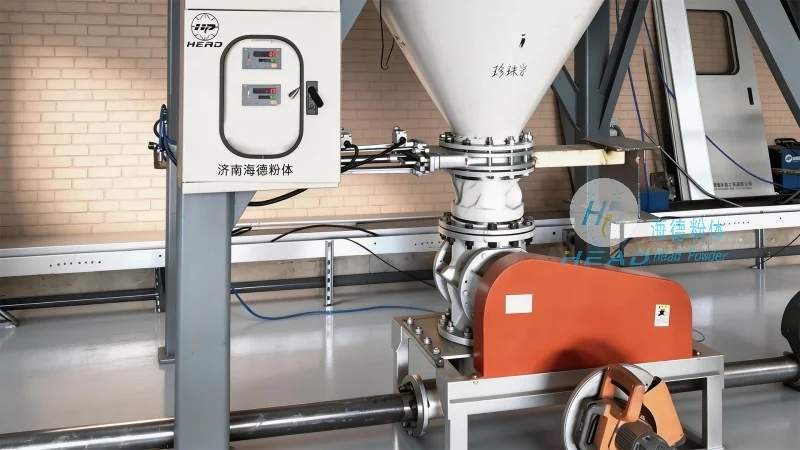
Operational Principles and Working Mechanism
The core of the intermittent inflation tank system lies in its cyclic operation. The process begins with the loading of the material into the hopper, which is then transferred into the inflation tank. The air compressor then supplies compressed air to the tank, causing it to expand and create a positive pressure within the tank. This pressure forces the material through the conveying pipeline to the destination point. Once the tank reaches its maximum inflation level, the air supply is reduced, and the tank begins to deflate. As the tank deflates, the pressure inside drops, and the material is drawn back into the tank, preparing it for the next inflation cycle. This cyclic process ensures a consistent and controlled flow of material, minimizing the risk of blockages and ensuring efficient transport.
Advantages and Applications
Intermittent inflation tank pneumatic conveying equipment offers several advantages over traditional conveying methods. Its ability to handle a wide range of materials, including those that are sensitive to moisture or air, makes it ideal for applications where product quality must be preserved. The system's compact design and relatively low maintenance requirements make it a cost-effective solution for various industrial settings. Additionally, the controlled airflow and pressure regulation reduce the risk of material degradation and improve overall process efficiency. The equipment is commonly used in the transportation of powders such as flour, cement, and chemicals, as well as granules like sugar and plastic resins.

Technical Specifications and Customization Options
HeadPowder provides customizable intermittent inflation tank pneumatic conveying systems tailored to meet the specific needs of different industries. The technical specifications of the equipment can vary based on factors such as the material being conveyed, the distance of transport, and the required flow rate. Key technical parameters include the tank capacity, air pressure range, and conveying speed. The company's engineering team works closely with clients to design systems that optimize performance and ensure compliance with industry standards. Customization options may include different tank sizes, material of construction, and control system configurations to suit specific operational requirements.