

Introduction to High-Pressure Dilute-Phase Pneumatic Conveying Equipment: Structure and Principle Ex
HeadPowder, a leading engineering firm based in Shandong, China, specializes in the design, manufacturing, and supply of advanced pneumatic conveying systems. This article provides an overview of high-pressure dilute-phase pneumatic conveying equipment, detailing its structural components and operational principles to help clients understand its functionality and benefits.
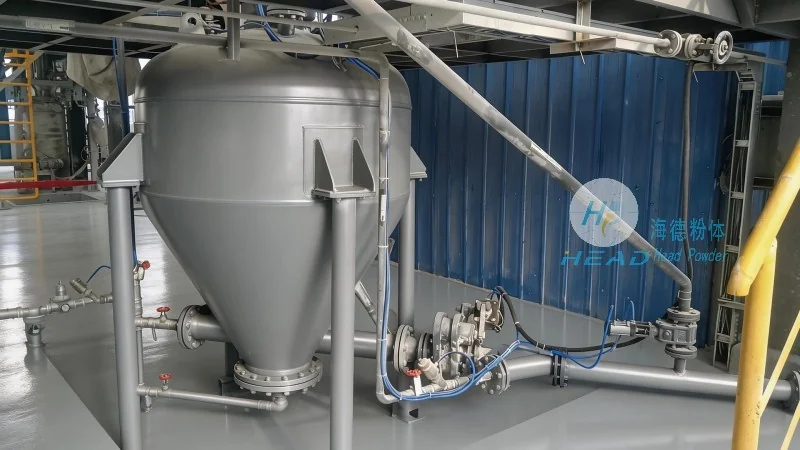
Company Overview and Background
HeadPowder Engineering Co., Ltd. is a professional manufacturer and supplier of pneumatic conveying equipment, headquartered in Shandong, China. With years of experience in the industry, the company has established itself as a trusted partner for businesses seeking efficient material handling solutions. The company's commitment to innovation and quality ensures that its products meet the highest standards, catering to diverse industrial applications.
Understanding High-Pressure Dilute-Phase Pneumatic Conveying
High-pressure dilute-phase pneumatic conveying is a method of transporting bulk materials through a pipeline using compressed air. Unlike dense-phase systems, which use higher air volumes and lower velocities, dilute-phase systems operate at higher pressures and velocities, allowing for the efficient movement of materials over long distances. This technology is particularly suitable for transporting fine powders and granular materials, offering advantages such as low maintenance costs, minimal product degradation, and the ability to handle materials with high moisture content.
Key Structural Components of High-Pressure Dilute-Phase Pneumatic Conveying Equipment
The high-pressure dilute-phase pneumatic conveying system consists of several critical components that work in tandem to ensure efficient material transport. These components include:
1. Compressor and Air Treatment Unit: This unit generates the high-pressure air required for conveying. It typically includes a compressor, air filter, and dryer to ensure the air is clean and dry, preventing material contamination and equipment damage.
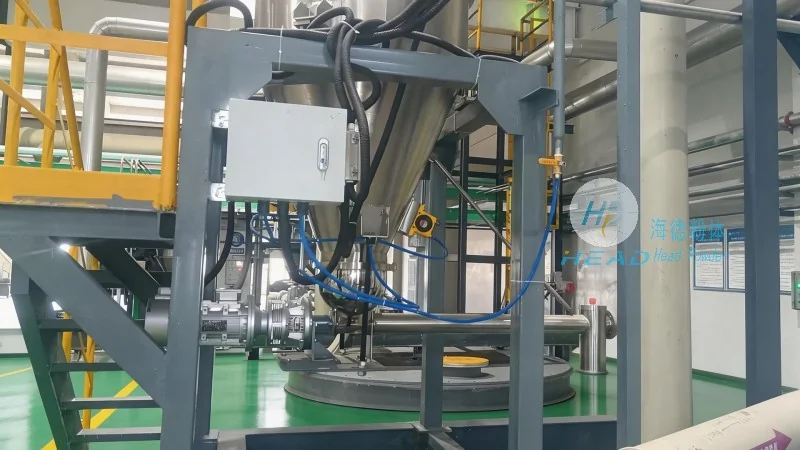
2. Material Feeder: The feeder is responsible for introducing the material into the conveying line. It can be a rotary valve, screw feeder, or other type of feeder, depending on the material characteristics and flow requirements. The feeder ensures a consistent and controlled flow of material into the system.
3. Pipeline System: The pipeline is the main conduit for transporting the material and air. It is usually made of stainless steel or other corrosion-resistant materials to handle the high-pressure conditions and prevent material buildup. The pipeline is designed with appropriate bends and fittings to minimize pressure loss and ensure smooth material flow.
4. Control System: The control system monitors and regulates the operation of the conveying equipment. It includes sensors, valves, and a control panel that allows operators to adjust parameters such as air pressure, flow rate, and material feed rate. The control system ensures safe and efficient operation, preventing overloading and equipment failure.
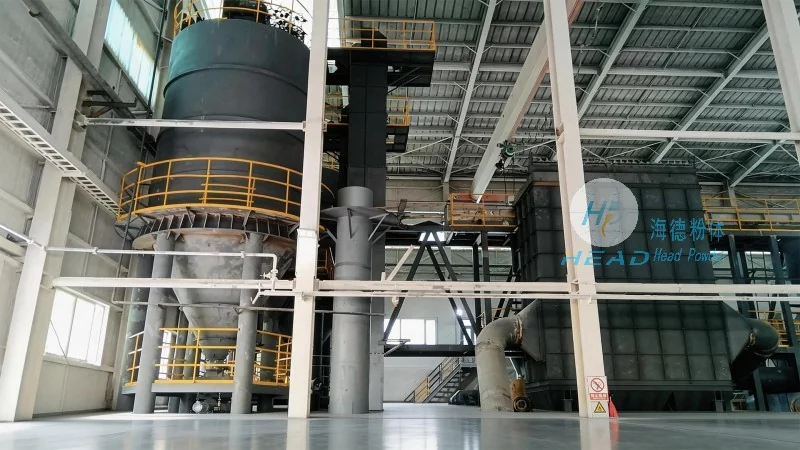
5. Receiving Hopper and Discharge System: The receiving hopper collects the material at the end of the conveying line. It is designed to store the material and provide a controlled discharge into the final destination, such as a storage silo or processing unit. The discharge system may include a rotary valve or other type of outlet to regulate the material flow.
Operational Principle of High-Pressure Dilute-Phase Pneumatic Conveying
The operational principle of high-pressure dilute-phase pneumatic conveying involves the use of high-pressure air to create a slurry of material and air within the pipeline. The material is suspended in the air stream, allowing it to be transported over long distances. The key steps in the process are as follows:
1. Air Compression: The compressor generates high-pressure air, typically ranging from 5 to 15 bar, depending on the material and distance to be conveyed. The air is then passed through a filter and dryer to remove contaminants and moisture.
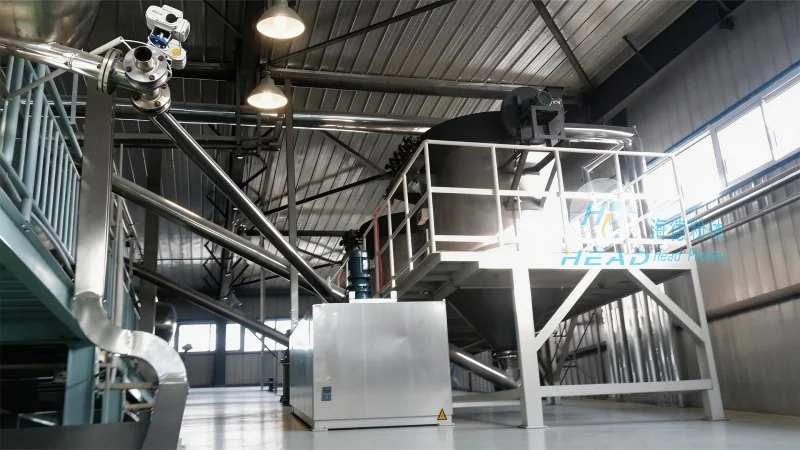
2. Material Introduction: The material is fed into the pipeline through the material feeder. The feeder ensures a consistent flow of material, which is then mixed with the high-pressure air.
3. Conveying Process: The material-air mixture is transported through the pipeline at high velocities, typically ranging from 20 to 50 m/s. The high pressure and velocity ensure that the material is suspended and transported efficiently. The pipeline is designed with appropriate bends and fittings to minimize pressure loss and maintain the material's suspension.
4. Deceleration and Collection: At the receiving end, the material-air mixture is decelerated and collected in the receiving hopper. The air is then separated from the material and discharged through a vent or filter, while the material is stored or further processed.
Advantages of High-Pressure Dilute-Phase Pneumatic Conveying
High-pressure dilute-phase pneumatic conveying offers several advantages over other material handling methods. These include: