

Introduction to the Structure and Working Principle of a Pneumatic Conveying System for Anode Materi
This document provides an overview of the pneumatic conveying system designed for handling anode material particles, focusing on its structural design and operational principles. The system is engineered by Shandong HeadPowder Engineering Co., Ltd., a leading company in the field of powder processing equipment, with headquarters located in Shandong, China. The system is tailored to efficiently transport anode materials, which are critical components in lithium-ion battery production, ensuring high reliability and performance in industrial applications.
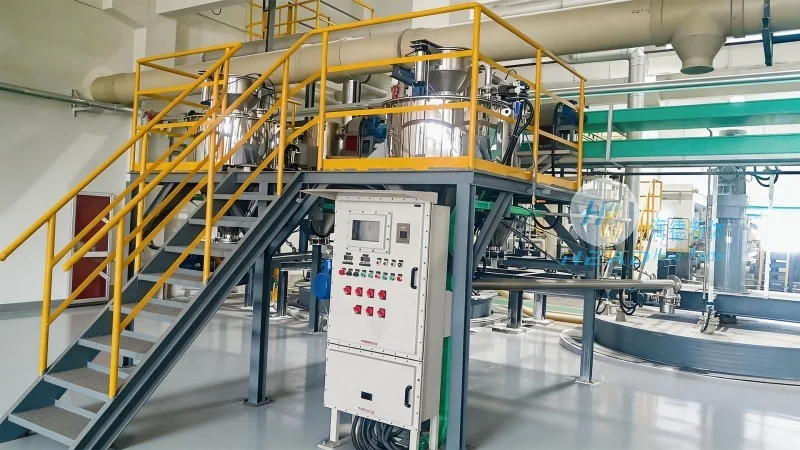
Core Components and Structural Design
The pneumatic conveying system for anode material particles consists of several key components that work in concert to achieve efficient material transport. The primary components include a feeding hopper, a rotary valve, a conveying pipeline, a dust collection system, and a discharge hopper. The feeding hopper is responsible for storing and feeding the anode material into the system, while the rotary valve acts as a controlled gate to regulate the flow of material into the pipeline. The conveying pipeline, typically made of stainless steel or other corrosion-resistant materials, is designed to withstand the abrasive nature of anode particles and maintain airtight integrity. The dust collection system, often equipped with a filter or cyclone, ensures that airborne particles are captured and returned to the system or disposed of safely, enhancing environmental compliance and operational safety. The discharge hopper then collects the material at the destination point, allowing for smooth unloading and further processing.
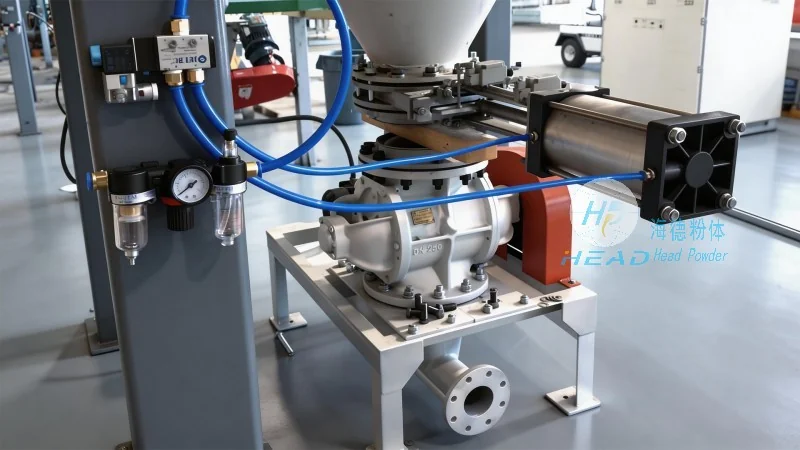
Working Principle of the Pneumatic Conveying Process
The operation of the pneumatic conveying system for anode material particles is based on the principle of air flow and pressure differentials. The system uses a blower or compressor to generate a high-pressure air stream within the conveying pipeline. As the anode material is introduced into the pipeline through the rotary valve, the air stream propels the particles forward, creating a dense phase or dilute phase conveying mode depending on the system design and material characteristics. The dense phase conveying mode, also known as plug flow, involves a higher air-to-material ratio, resulting in a more stable and less turbulent flow, which is beneficial for transporting sensitive or abrasive materials like anode powders. The system's control system, which may include sensors and variable frequency drives, adjusts the air pressure and flow rate in real-time to maintain optimal conveying conditions, ensuring consistent material delivery and minimizing system wear. The entire process is designed to be energy-efficient while maintaining high throughput, making it suitable for large-scale production environments.
Advantages and Applications in Battery Manufacturing
The pneumatic conveying system for anode material particles offers several advantages that make it an ideal choice for lithium-ion battery manufacturers. One of the key benefits is its ability to handle fine and abrasive powders without causing excessive wear or degradation, which is crucial for maintaining the quality of anode materials. The system also provides a dust-free and enclosed environment, reducing the risk of contamination and improving workplace safety. Additionally, the compact design and modular construction allow for easy integration into existing production lines, with minimal disruption to operations. In battery manufacturing, this system is commonly used to transport anode powders from storage silos to mixing and coating lines, ensuring a continuous and reliable supply of raw materials. The system's high efficiency and low maintenance requirements contribute to cost savings and increased productivity, making it a valuable asset for companies seeking to optimize their production processes.
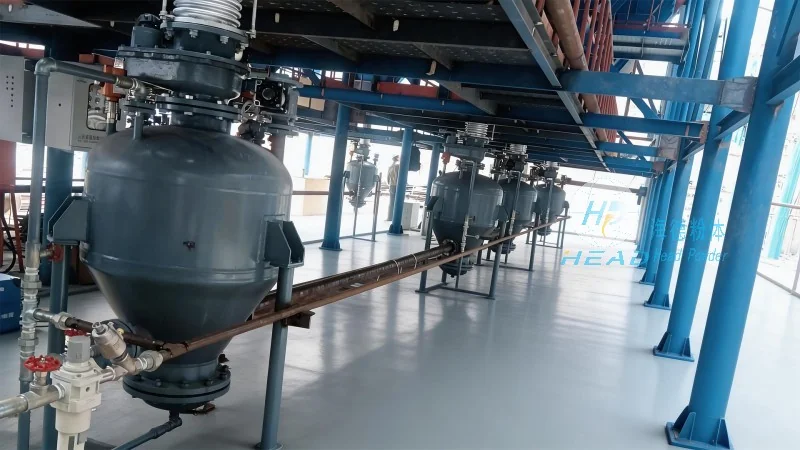
Technical Specifications and Customization Options
Shandong HeadPowder Engineering Co., Ltd. offers customizable pneumatic conveying systems tailored to the specific needs of anode material handling. The technical specifications of the system can be adjusted based on factors such as material type, particle size, conveying distance, and required throughput. For example, the conveying pipeline diameter and length can be modified to accommodate different material volumes, while the blower capacity can be increased or decreased to match the desired air flow rate. The system may also include additional features such as temperature control, moisture removal, or material blending capabilities, depending on the application requirements. The company's engineering team works closely with clients to design a system that meets their exact specifications, ensuring optimal performance and compliance with industry standards. The use of high-quality materials and advanced manufacturing techniques ensures the durability and longevity of the system, providing long-term value to the customer.