

Introduction to Powdered Coke Pneumatic Conveying Equipment: Structure and Working Principle
Efficient and reliable transportation of powdered coke is crucial in industrial processes, and pneumatic conveying systems have emerged as a preferred solution for this application. This article provides an overview of the powdered coke pneumatic conveying equipment, detailing its structural components and the underlying principles of operation. The information is presented by Shandong HeadPowder Engineering Co., Ltd., a leading manufacturer based in China, specializing in engineering solutions for material handling and processing.
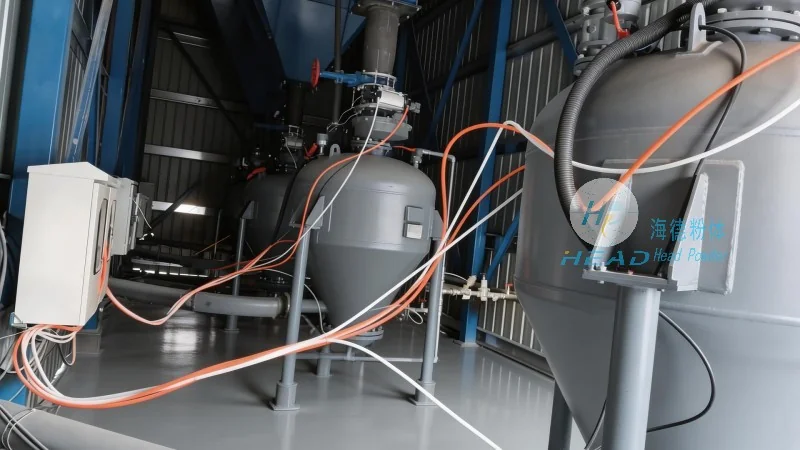
Overview of Powdered Coke Pneumatic Conveying Equipment
Powdered coke, a fine particulate material, requires specialized equipment to ensure safe and efficient transport from one location to another. Pneumatic conveying systems utilize air or other gases to move the material through a network of pipes and components. The equipment typically includes several key parts, such as a feeding device, a conveying pipeline, a separation unit, and a discharge mechanism. Each component plays a vital role in the overall performance and efficiency of the system.
Structural Components and Their Functions
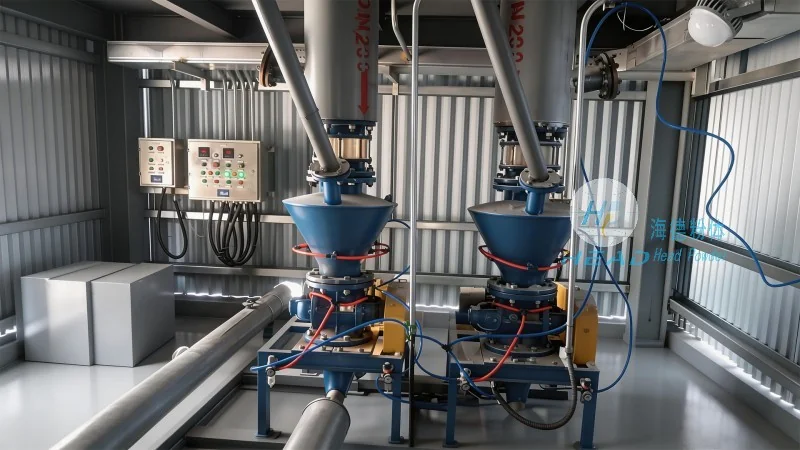
The structure of a typical powdered coke pneumatic conveying system is designed to handle the unique characteristics of coke powder, including its particle size, density, and flow properties. The feeding device, often a rotary valve or a star feeder, ensures a consistent and controlled supply of coke powder into the system. This prevents blockages and maintains a steady flow rate. The conveying pipeline, usually made of stainless steel or other corrosion-resistant materials, is engineered to withstand the abrasive nature of coke particles and the pressure differentials involved in the conveying process.
The separation unit, such as a cyclone separator or a bag filter, is critical for separating the coke powder from the conveying air. This unit ensures that the powder is collected efficiently and that the air is cleaned before being released back into the environment or recirculated. The discharge mechanism, which may include a rotary valve or a gate valve, controls the release of the coke powder at the destination point, ensuring precise and controlled discharge.
Working Principle of Pneumatic Conveying
The fundamental principle behind pneumatic conveying is the use of differential pressure to move the material. In a positive pressure system, compressed air is introduced into the conveying pipeline, creating a pressure higher than the ambient air pressure. This pressure difference forces the coke powder to move along the pipeline. In a negative pressure system, the air is drawn out of the pipeline, creating a vacuum that pulls the powder into the system. The choice between positive and negative pressure depends on factors such as the distance to be covered, the volume of material to be conveyed, and the specific requirements of the application.
The velocity of the air within the pipeline is a key factor in the conveying process. It must be sufficient to keep the coke powder suspended and prevent it from settling or clogging the pipeline. The air velocity is typically calculated based on the particle size and density of the coke powder, as well as the diameter of the pipeline. Proper air velocity ensures smooth and continuous conveying, minimizing the risk of blockages and equipment damage.
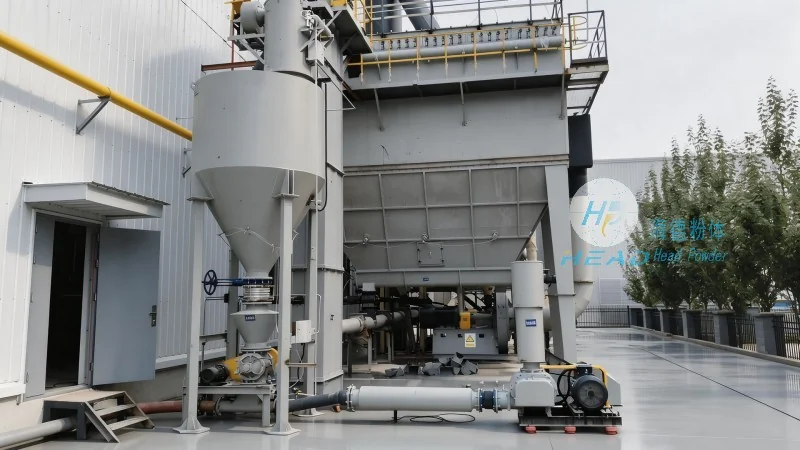
Advantages of Pneumatic Conveying for Powdered Coke
Pneumatic conveying systems offer several advantages over traditional methods, such as bucket elevators or belt conveyors, for transporting powdered coke. One of the primary benefits is the ability to handle fine and abrasive materials without the need for mechanical contact, which reduces wear and tear on equipment. Additionally, pneumatic systems can transport materials over long distances and through multiple points of discharge, providing flexibility in plant layout and operation.
Another advantage is the reduced risk of dust contamination and environmental pollution. The enclosed pipeline system prevents the release of coke powder into the atmosphere, improving workplace safety and compliance with environmental regulations. The system also allows for easy integration with other processing equipment, such as mixers or reactors, enabling seamless material handling throughout the production process.
Application Examples and Industry Use Cases
Powdered coke pneumatic conveying equipment is widely used in various industrial sectors, including steel production, chemical processing, and food manufacturing. In steel plants, for example, coke powder is used as a fuel in blast furnaces and is transported to the furnaces via pneumatic systems. The equipment ensures that the coke powder is delivered in a controlled manner, optimizing the combustion process and improving overall efficiency.
In the chemical industry, coke powder may be used as a raw material or as a catalyst in various processes. Pneumatic conveying systems are used to transport the powder to reactors and processing units, where it is mixed with other chemicals. The precise control of the conveying process ensures consistent product quality and reduces the risk of contamination.
In the food industry, certain types of coke powder may be used as a flavoring agent or as a component in food products. Pneumatic conveying systems are employed to transport the powder to processing lines, where it is mixed with other ingredients. The system's ability to maintain a clean and hygienic environment is crucial for meeting food safety standards.
Key Considerations for Equipment Selection and Operation
When selecting a powdered coke pneumatic conveying system, several factors must be considered to ensure optimal performance and longevity. The first consideration is the material characteristics of the coke powder, including its particle size distribution, moisture content, and abrasiveness. These factors influence the choice of equipment components, such as the feeding device and the pipeline material.
Another important consideration is the conveying distance and the required flow rate. Longer distances or higher flow rates may require more powerful air compressors or larger pipeline diameters to maintain the necessary air velocity. The system's design must also account for the pressure differentials and the potential for pressure surges or drops, which can affect the conveying efficiency.
Regular maintenance and operation are critical for the reliable performance of the equipment. This includes monitoring air pressure and flow rates, cleaning the separation unit and filters, and inspecting the pipeline for signs of wear or damage. Proper maintenance can extend the lifespan of the equipment and reduce the risk of costly downtime.
Conclusion
Powdered coke pneumatic conveying equipment is a sophisticated and efficient solution for transporting fine particulate materials. The combination of proper structural design and the application of pneumatic principles ensures reliable and safe operation. As a manufacturer, Shandong HeadPowder Engineering Co., Ltd. specializes in providing customized solutions tailored to the specific needs of clients, ensuring that the equipment meets the highest standards of performance and durability.