

Operation Process and Working Principle of Soil Material Air-Pneumatic Conveying Equipment
Understanding the operation process and working principle of soil material air-pneumatic conveying equipment is crucial for optimizing material handling in various industrial applications. This equipment, commonly used in construction, mining, and environmental sectors, efficiently transports loose bulk materials like soil, sand, and other granular substances through an air-driven system. The following sections provide a detailed explanation of how these systems function and the key steps involved in their operation.
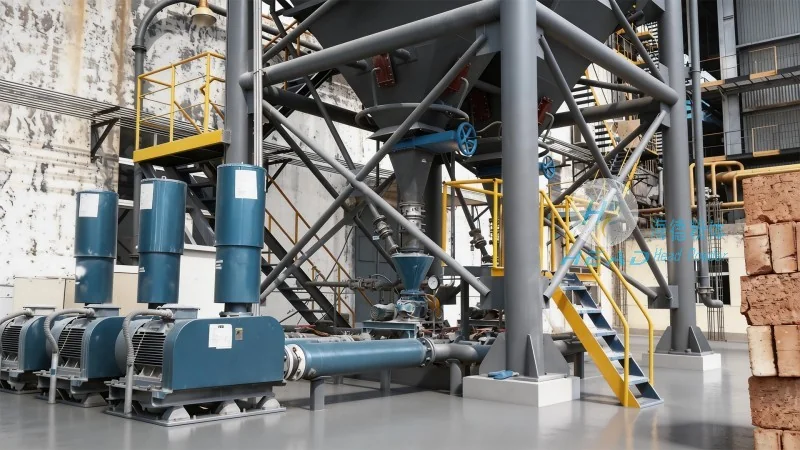
Introduction to Soil Material Air-Pneumatic Conveying Systems
Soil material air-pneumatic conveying equipment, also known as pneumatic conveyors, utilizes compressed air to move bulk materials from a source to a destination. Unlike traditional mechanical conveyors, which rely on belts or chains, pneumatic systems offer flexibility, minimal maintenance, and the ability to transport materials vertically, horizontally, or in a combination of both directions. The core components of such systems typically include a hopper for material storage, a compressor to generate the air pressure, a conveying line (often a flexible hose or rigid pipe), and a receiver to collect the material at the end of the line. These components work in tandem to ensure efficient and reliable material transport.
Key Components and Their Functions
The effectiveness of soil material air-pneumatic conveying equipment depends on the proper functioning of several key components. Each part plays a critical role in the overall operation:
1. Material Hopper: The hopper is the initial storage unit where bulk soil materials are loaded. It is designed to hold a sufficient quantity of material to ensure continuous operation without frequent refilling. The hopper often features a discharge valve or gate to control the flow of material into the conveying line. Its design may include a conical or rectangular shape to facilitate material flow and prevent blockages.
2. Air Compressor: The compressor is the heart of the system, responsible for generating the high-pressure air required to move the material. It converts mechanical energy into compressed air, which is then supplied to the conveying line. The choice of compressor (e.g., rotary screw, reciprocating) depends on factors such as the volume of material to be transported, the distance of transport, and the desired flow rate. Proper maintenance of the compressor is essential to ensure consistent air pressure and avoid system downtime.
3. Conveying Line: The conveying line is the pathway through which the material and air travel. It can be either rigid (metal pipe) or flexible (hose), depending on the application requirements. Rigid pipes are suitable for long-distance or high-pressure applications, while flexible hoses offer greater flexibility for maneuvering around obstacles. The line is typically equipped with inlets and outlets, and may include check valves or airlocks to prevent backflow and maintain the direction of material flow.
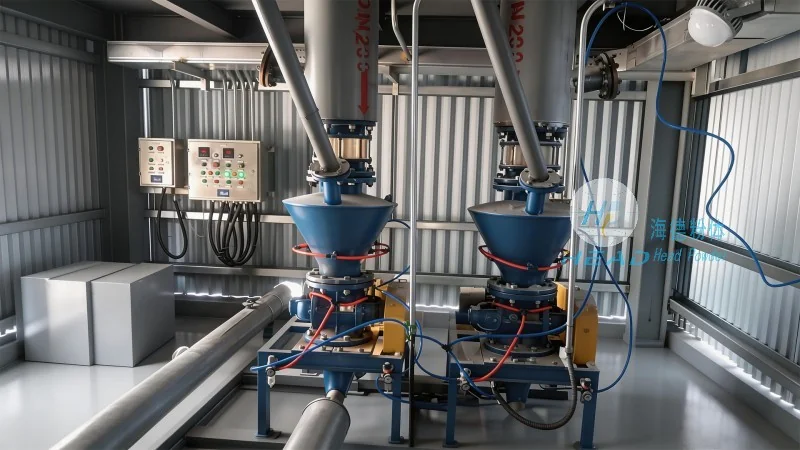
4. Airlock and Receiver: At the end of the conveying line, an airlock or receiver is used to collect the material and separate it from the air. The airlock acts as a valve, allowing material to discharge into the receiver while preventing air from escaping back into the system. The receiver is a container that collects the transported soil material, which can then be discharged into a storage bin or processing unit. Some systems may also include a filter or cyclone to separate fine particles from the air before it is released back into the environment.
The Working Principle of Air-Pneumatic Conveying
The fundamental principle behind soil material air-pneumatic conveying is the use of air pressure to create a flow of material. When the compressor generates compressed air, it is introduced into the conveying line at the hopper end. As the air flows through the line, it creates a low-pressure zone at the inlet, which draws the soil material from the hopper into the line. The material is then carried along by the air stream, moving towards the receiver. The velocity of the air is critical; it must be sufficient to lift and transport the material without causing excessive wear on the system components or degradation of the material.
The process can be described in several stages:
Stage 1: Material Inlet and Air Intake: The soil material falls from the hopper into the inlet of the conveying line. Simultaneously, compressed air is introduced into the line, creating a pressure differential that draws the material into the air stream. This stage ensures that the material is effectively entrained by the air.
Stage 2: Material Transport: Once the material is entrained, it travels along the conveying line under the force of the compressed air. The air velocity and pressure determine the speed and distance of transport. The line may include bends or changes in direction, which are accommodated by the flexible or rigid design of the pipe. The material remains suspended in the air stream as long as the air velocity is sufficient to overcome gravity and friction.
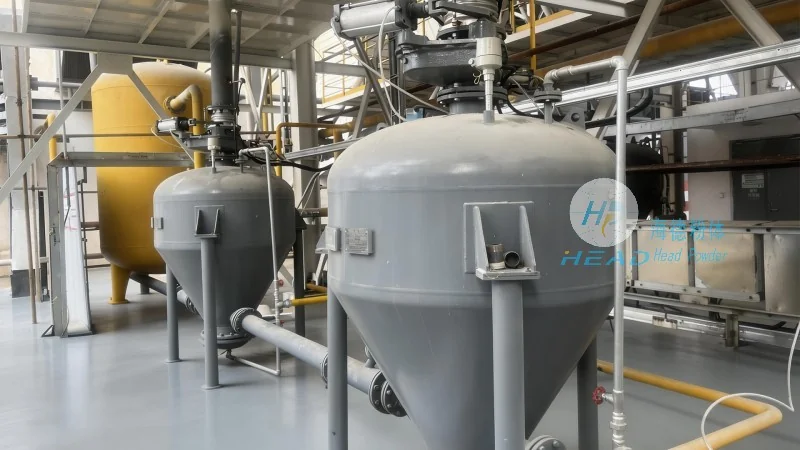
Stage 3: Material Discharge: At the receiving end of the line, the air pressure decreases, causing the material to separate from the air. The airlock or receiver then captures the material, allowing it to be discharged into the collection container. The air, now containing any fine particles, is typically filtered or cycloned before being released back into the environment, ensuring compliance with air quality regulations.
Operation Process of Soil Material Air-Pneumatic Conveying Equipment
The operation process of soil material air-pneumatic conveying equipment involves a series of sequential steps that ensure efficient material transport. The process begins with the loading of the hopper and the initiation of the air compressor. Here is a step-by-step breakdown of the operation:
Step 1: Preparation and Loading: The system is prepared by ensuring that the hopper is filled with the appropriate soil material. The air compressor is started, and the system is pressurized to the required level. This step may also involve checking the integrity of the conveying line and airlock components to prevent leaks or blockages.
Step 2: Initiation of Conveying: Once the system is pressurized, the discharge valve in the hopper is opened, allowing the soil material to enter the conveying line. The compressed air immediately starts moving the material, and the conveying process begins. The flow rate is controlled by adjusting the air pressure or the opening of the hopper valve.

Step 3: Continuous Transport: The material is continuously transported from the hopper to the receiver as long as the system remains operational. The compressor maintains the air pressure, and the material flow is monitored to ensure that the system is running efficiently. Any adjustments to the flow rate or pressure are made as needed to maintain optimal performance.
Step 4: Termination and Material Discharge: When the material in the hopper is depleted or the operation is completed, the system is shut down. The air compressor is turned off, and the air pressure is released from the line. The receiver is then opened to discharge the collected soil material into the desired storage or processing area. The airlock and receiver are cleaned as necessary to prepare the system for the next cycle.
Applications and Benefits of Soil Material Air-Pneumatic Conveying
Soil material air-pneumatic conveying equipment is widely used in various industries due to its versatility and efficiency. Some common applications include:
Construction and Demolition: In construction sites, these systems are used to transport soil, sand, and other bulk materials from excavation sites to storage areas or disposal sites. They offer a clean and dust-free alternative to traditional bucket trucks or trucks, reducing the risk of contamination and improving safety.
Mining and Quarrying: Mining operations often require the transport of large volumes of soil and ore. Pneumatic conveyors can efficiently handle these materials over long distances, reducing the need for heavy machinery and labor. They are particularly useful in underground mining, where space is limited and traditional conveyors may not be feasible.